 English
 简体中文
简体中文 Русский
 Español
 Deutsch
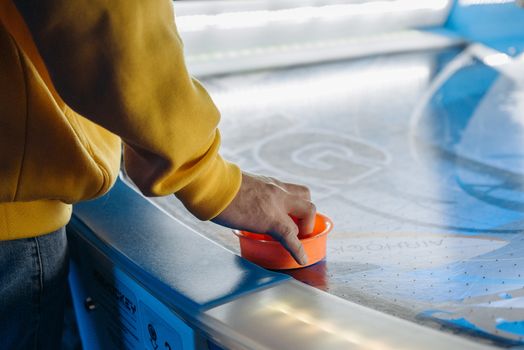

Air Hockey Esports News: Companies Entering Competitive Gaming
Air hockey has long been a staple of arcades, bars, and family game rooms. But in recent years, it has undergone a dramatic transformation. Thanks to advances in digital technology, online connectivity, and the rising popularity of esports, air hockey is now stepping into the competitive gaming arena. Major companies from both the traditional gaming world and the tech sector are investing heavily in air hockey esports, creating new opportunities for players, sponsors, and fans. This article explores the latest news on companies entering competitive air hockey, the technology driving this shift, and what it means for the future of the sport.

Why Air Hockey Is Ripe for Esports
Air hockey is fast-paced, easy to understand, and visually exciting. These qualities make it ideal for esports. Unlike many traditional sports that require large fields or specialized venues, air hockey can be played on a standardized table, and digital versions can be played on screens. This flexibility allows for both in-person tournaments and online competitions. Moreover, the skill ceiling is high: professional players demonstrate lightning-fast reflexes, strategic shot placement, and psychological gameplay that rivals any other competitive game.
The global air hockey market has been growing steadily, with more manufacturers producing high-quality tables and accessories. Simultaneously, esports organizations are looking for new titles to diversify their portfolios. Air hockey offers a fresh, accessible option that appeals to both casual and hardcore gamers. As a result, companies are racing to stake their claim in this emerging ecosystem.
Key Companies Making Moves in Air Hockey Esports
1. Traditional Table Manufacturers
Companies like Dynamo, Valley-Dynamo, and Shelti have dominated the physical air hockey market for decades. Now they are partnering with tech firms to create smart tables equipped with sensors, illuminated displays, and internet connectivity. These smart tables can track puck speed, player statistics, and even stream matches live. By entering the esports space, these manufacturers aim to keep their products relevant in a digital age and tap into a younger demographic.
2. Tech Giants and Gaming Platforms
Tech giants such as Intel, NVIDIA, and Microsoft are indirectly supporting air hockey esports through hardware and cloud services. For example, NVIDIA's GeForce Now can stream air hockey simulation games, while Intel sponsors esports tournaments that include air hockey as a side event. Additionally, platforms like Twitch and YouTube Gaming have become hubs for air hockey content, with streamers broadcasting both physical and digital matches.
3. Esports Organizations and Leagues
Dedicated esports organizations are forming air hockey divisions. Teams like Team Liquid and Cloud9 have expressed interest in acquiring air hockey players, and new leagues such as the Air Hockey Pro League (AHPL) and the World Air Hockey Association (WAHA) are organizing regular tournaments with substantial prize pools. These leagues are attracting sponsors from energy drink companies, gaming peripherals brands, and even traditional sports betting firms.
4. Startups and Innovators
Startups are also entering the fray. Companies like AirHockey.io and PuckMaster are developing VR air hockey games that offer immersive experiences. Others, like SmartPuck, are creating connected pucks that can be used with physical tables to provide real-time feedback and analytics. These innovations are making air hockey more engaging for both players and viewers.
How Companies Are Shaping Competitive Air Hockey
The entry of these companies is not just about money; it's about infrastructure. They are building the tools that allow air hockey to be played competitively at scale. For instance, standardized digital platforms ensure fair play, while advanced streaming setups provide high-quality broadcasts. Sponsorships and advertising are helping to fund tournaments and increase prize pools, which in turn attracts more players.
Moreover, companies are investing in player development. Some are running academies and training camps for aspiring air hockey pros. Others are creating ranking systems and matchmaking algorithms to ensure competitive balance. This professionalization is crucial for air hockey to be taken seriously as an esport.
Challenges and Opportunities
Despite the excitement, air hockey esports faces several challenges. One is the lack of a unified governing body. Multiple leagues and organizations operate independently, which can confuse fans and players. Another challenge is the divide between physical and digital versions. Purists argue that digital air hockey lacks the tactile feel of the real thing, while tech enthusiasts see digital as the future. Bridging this gap will be key.
On the opportunity side, air hockey has a low barrier to entry. Unlike many esports that require expensive PCs or consoles, air hockey can be played on a smartphone or a basic tablet. This accessibility could lead to a massive player base. Additionally, the sport's simple rules make it easy for casual viewers to follow, which is attractive to broadcasters and sponsors.
What This Means for Players and Fans
If you're a fan of air hockey, this is an exciting time. You can now watch professional matches online, participate in online tournaments, and even dream of going pro. For players, there are more opportunities to compete and earn money. Many companies offer sponsorships and endorsements to top players. Fans can engage with their favorite teams and players through social media and live streams.
To get involved, start by practicing regularly. Whether you play on a physical table or a digital app, consistency is key. Join online communities and forums to learn from others. Follow the major leagues and tournaments to stay updated. And don't be afraid to enter local competitions—they are often the first step to bigger stages.
Practical Tips for Aspiring Air Hockey Esports Players
- Master the basics: Focus on grip, stance, and puck control before advanced techniques.
- Study the pros: Watch recordings of top players to learn their strategies and shot selection.
- Invest in good equipment: If playing physically, use a high-quality table and puck. For digital, ensure a responsive touchscreen or controller.
- Practice regularly: Set aside time each day for drills, such as accuracy shooting and defensive blocks.
- Stay physically fit: Air hockey requires quick reflexes and stamina. Cardiovascular exercise and hand-eye coordination drills help.
- Join a team: Team play can provide motivation, coaching, and networking opportunities.
- Manage your online presence: Stream your matches, engage with fans, and build a brand to attract sponsors.
Future Outlook: Where Is Air Hockey Esports Headed?
The future looks bright. As more companies enter the space, we can expect bigger tournaments, larger prize pools, and more media coverage. Virtual reality and augmented reality could revolutionize how the game is played and watched. Imagine putting on a headset and playing against someone on the other side of the world as if they were in the same room. That future is not far off.
We may also see air hockey included in major multi-game esports events like the Olympics or the X Games. The International Esports Federation (IESF) has already recognized air hockey as a potential medal sport. If that happens, it would be a massive boost for the sport's legitimacy and popularity.
Conclusion
Air hockey esports is no longer a niche curiosity. With major companies investing in technology, leagues, and talent, it is becoming a serious competitive gaming discipline. Whether you're a player looking to go pro or a fan wanting to watch high-stakes matches, there's never been a better time to get involved. Keep an eye on the latest news, support your favorite teams, and maybe one day you'll be the one lifting the championship trophy.
Our sales desk helps with table sizes, blower voltage, spare parts and container planning.