 English
 简体中文
简体中文 Русский
 Español
 Deutsch


Air Hockey Table Price Increases: An Overview
If you have been shopping for an air hockey table recently, you have probably noticed something frustrating: prices are higher than they were a few years ago. Whether you are a parent looking for a durable home table, a bar owner upgrading your game room, or a tournament player searching for a professional-grade surface, the cost of air hockey tables has climbed noticeably. This guide explains why air hockey table prices have increased, how much you can expect to pay in each category, and what smart buyers can do to get the best value without sacrificing quality.
Understanding the forces behind these price changes helps you negotiate better, time your purchase wisely, and avoid overpaying for features you do not need. Let's break down the market.
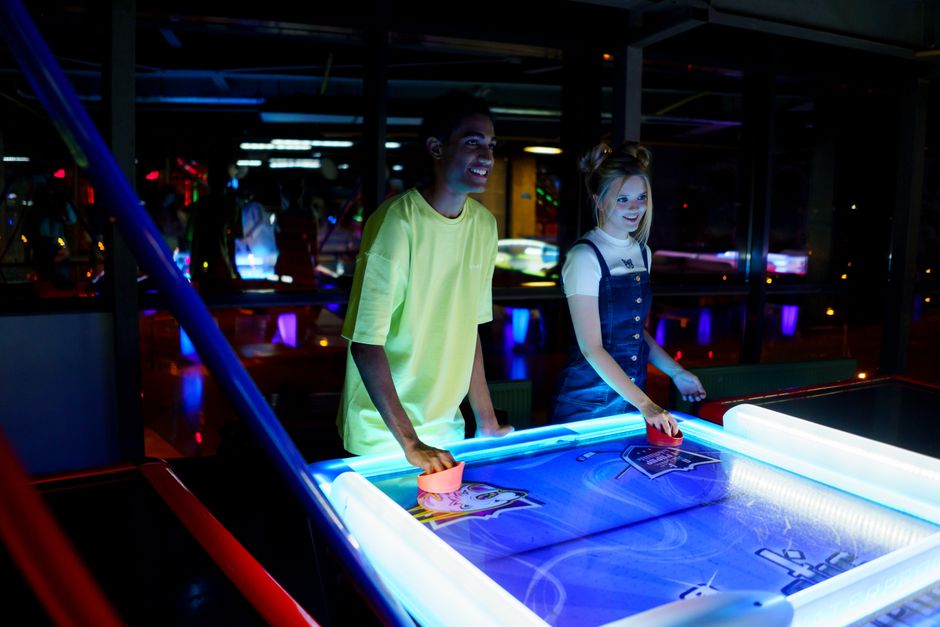
Why Are Air Hockey Table Prices Going Up?
Air hockey tables are not simple pieces of furniture. They combine electronics, precision-machined surfaces, and durable materials. Several converging factors have pushed manufacturing and retail costs higher.
1. Rising Raw Material Costs
Air hockey tables rely heavily on materials that have seen significant price volatility:
- MDF and plywood: The core of most table bodies. Lumber prices spiked dramatically in recent years and remain elevated compared to pre-2020 levels.
- Aluminum and steel: Used in rails, legs, and blower housings. Metal prices have risen due to global demand and energy costs.
- Acrylic and polycarbonate: The playing surface on many mid-range tables. Petrochemical-based plastics track oil prices.
- Electronics and motors: Blowers, power supplies, and scoring systems depend on semiconductors and copper wiring, both of which experienced shortages and price hikes.
2. Supply Chain Disruptions
Most air hockey tables are manufactured in Asia and shipped worldwide. Ocean freight rates, port congestion, and container shortages have all added to landed costs. Even as some logistics pressures ease, the cumulative effect on retail pricing has been lasting. Retailers who absorbed costs temporarily have since passed them on to consumers.
3. Increased Demand for Home Entertainment
During periods when people spent more time at home, demand for game room equipment surged. Air hockey tables, foosball tables, and arcade cabinets all saw a boom. Higher demand, combined with limited production capacity, gave manufacturers room to raise prices. While demand has cooled somewhat, it has not returned to previous levels, so prices have stayed high.
4. Labor and Energy Costs
Factory wages in manufacturing hubs have risen, and energy costs for production facilities have increased. These costs are embedded in every table that leaves the factory. For premium brands that assemble or finish tables domestically, labor costs are even more significant.
5. Tariffs and Trade Policy
Import duties on goods from certain countries have raised the cost of many air hockey tables sold in the United States and Europe. Tariffs are effectively a tax on imported goods, and a portion of that cost is typically passed to the buyer.
How Much Have Prices Actually Increased?
The increase varies by category, but the pattern is consistent. The table below shows approximate price ranges before and after the recent period of inflation, based on typical market data.
| Table Category | Typical Price (Pre-2020) | Typical Price (Current) | Approx. Increase |
|---|---|---|---|
| Entry-level / Toy (small, thin surface) | $40 - $100 | $60 - $150 | 40-50% |
| Home recreational (mid-size, 1/2" surface) | $150 - $400 | $250 - $600 | 50-60% |
| Premium home (full-size, 3/4" surface) | $500 - $900 | $800 - $1,400 | 55-60% |
| Commercial / Bar grade | $1,200 - $2,500 | $1,800 - $3,500 | 40-50% |
| Tournament / Professional | $2,500 - $5,000 | $3,500 - $7,000+ | 40-60% |
These figures are approximate and vary by brand, region, and retailer. However, the trend is clear: buyers are paying significantly more across every tier of the market.
What This Means for Different Types of Buyers
Casual Home Buyers
If you are buying for family fun, the entry-level and mid-range categories have seen some of the steepest percentage increases. That is because these tables use more commodity materials and are more sensitive to shipping and material costs. Expect to pay at least $250 for a table that will hold up to regular play. Tables under $150 are often toys rather than real air hockey tables, with weak blowers and thin surfaces that warp.
Serious Home Players
If you want a fast, consistent surface for competitive play at home, you are now looking at $800 to $1,400 for a quality full-size table. The good news is that this category has also seen quality improvements, with better blower systems and more durable laminates. The bad news is that the days of finding a great full-size table for $500 are largely over, except during clearance sales.
Commercial and Bar Owners
Commercial tables are built to withstand constant use, and their prices have risen too. However, because these tables generate revenue, the increase is often easier to justify. If you run a bar, arcade, or family entertainment center, factor the higher purchase price into your ROI calculations. A well-maintained commercial table can last a decade or more, so the per-year cost may still be reasonable.
Tournament and Club Buyers
Professional-grade tables from brands like Dynamo and Tornado have increased in price, but they remain the standard for serious competition. If you are equipping a club or hosting tournaments, budget accordingly and consider buying multiple tables at once to negotiate a volume discount.
Practical Tips to Save Money on an Air Hockey Table
You cannot control material costs or tariffs, but you can control how and when you buy. Here are practical strategies to get more value.
Buy During Off-Season Sales
Air hockey tables sell best during the holiday season and in the summer, when families set up game rooms. Shopping in late winter or early spring can mean better deals as retailers clear inventory.
Consider Refurbished or Floor Models
Retailers often sell floor models and open-box tables at a significant discount. These tables are usually in excellent condition and come with the same warranty. Ask your local sporting goods store or furniture retailer if they have any display units available.
Look for Last Year's Models
Manufacturers update their lineups periodically. When a new model arrives, the previous version is often discounted. The differences are usually cosmetic or minor, so you can save hundreds of dollars.
Prioritize the Playing Surface and Blower
If you are on a budget, spend your money on the playing surface and blower motor rather than fancy electronics or illuminated scoring. A smooth, level surface and a powerful blower are what make the game fun. Cosmetic features can be sacrificed.
Buy Local When Possible
Shipping a large, heavy table is expensive. Buying from a local retailer or a nearby private seller on marketplaces can eliminate freight costs. Just inspect the table carefully before purchase.
Check Warranty and Parts Availability
A cheaper table with no replacement parts can cost more in the long run. Before buying, confirm that the manufacturer offers replacement pucks, strikers, and blower components. A table with a solid warranty and available parts is a better investment even at a higher upfront price.
Will Air Hockey Table Prices Come Down?
Most industry analysts expect prices to stabilize rather than return to pre-2020 levels. Some factors, like freight rates, have already improved, and competition may push prices down slightly in the entry-level segment. However, raw materials, labor, and tariffs are unlikely to reverse significantly. The new normal is a higher price floor across all categories.
That said, innovation may help. Manufacturers are exploring more efficient blower designs and alternative materials that could reduce costs over time. For now, buyers should plan for current prices and focus on getting the best table for their budget rather than waiting for a major price drop.
Frequently Asked Questions
Is it worth buying an expensive air hockey table?
If you play regularly or want a table that lasts, yes. Cheap tables often have weak blowers and warped surfaces that ruin the experience. A mid-range or premium table delivers better gameplay and durability.
Are used air hockey tables a good deal?
Often, yes. A used commercial-grade table can be an excellent value if it is in good condition. Inspect the surface for scratches, test the blower, and check for missing parts.
What size air hockey table should I buy?
Full-size tables are 7 to 8 feet long and offer the best experience. Mid-size tables (5 to 6 feet) fit smaller rooms but play differently. Measure your space before buying.
Do air hockey tables require assembly?
Most full-size tables require some assembly, typically attaching legs and rails. Some retailers offer delivery and setup for an additional fee, which can be worthwhile for heavy tables.
Final Thoughts
Air hockey table prices have increased due to a combination of material costs, supply chain issues, higher demand, and trade policy. While this is frustrating for buyers, understanding the reasons helps you shop smarter. Focus on the playing surface and blower, buy during off-season sales, consider refurbished or last-year models, and prioritize tables with available replacement parts. With careful research, you can still find a great air hockey table that fits your budget and delivers years of fun.
Our sales desk helps with table sizes, blower voltage, spare parts and container planning.