English
 简体中文
简体中文 Русский
 Español
 Deutsch
New Air Hockey Technology: Game-Changing Features
Discover the latest air hockey technology with game-changing features like adaptive airflow and smart scoring. Upgrade your game today!
New Air Hockey Technology Announced: Game-Changing Features
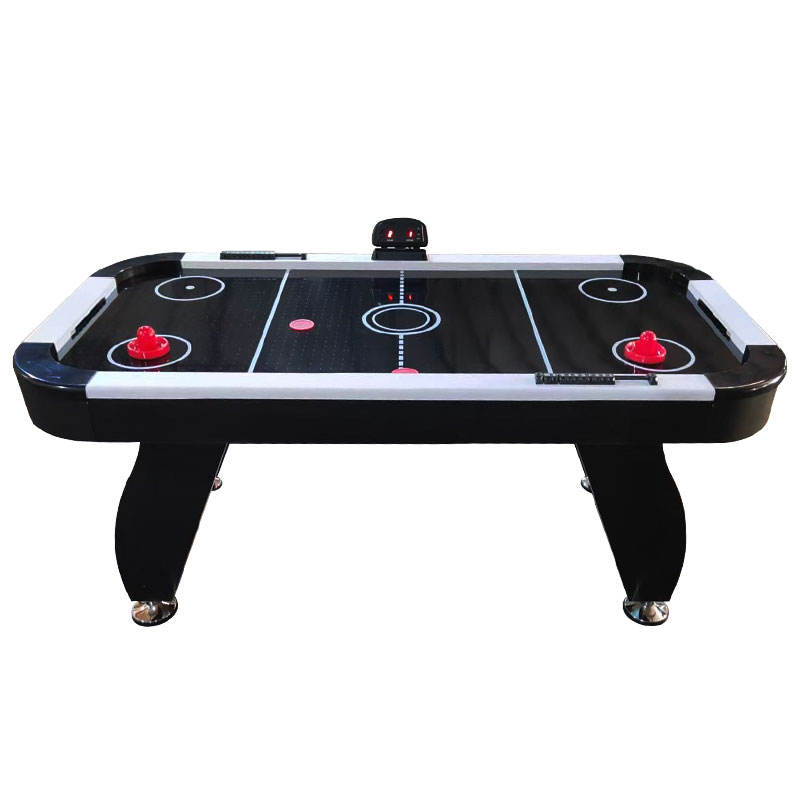
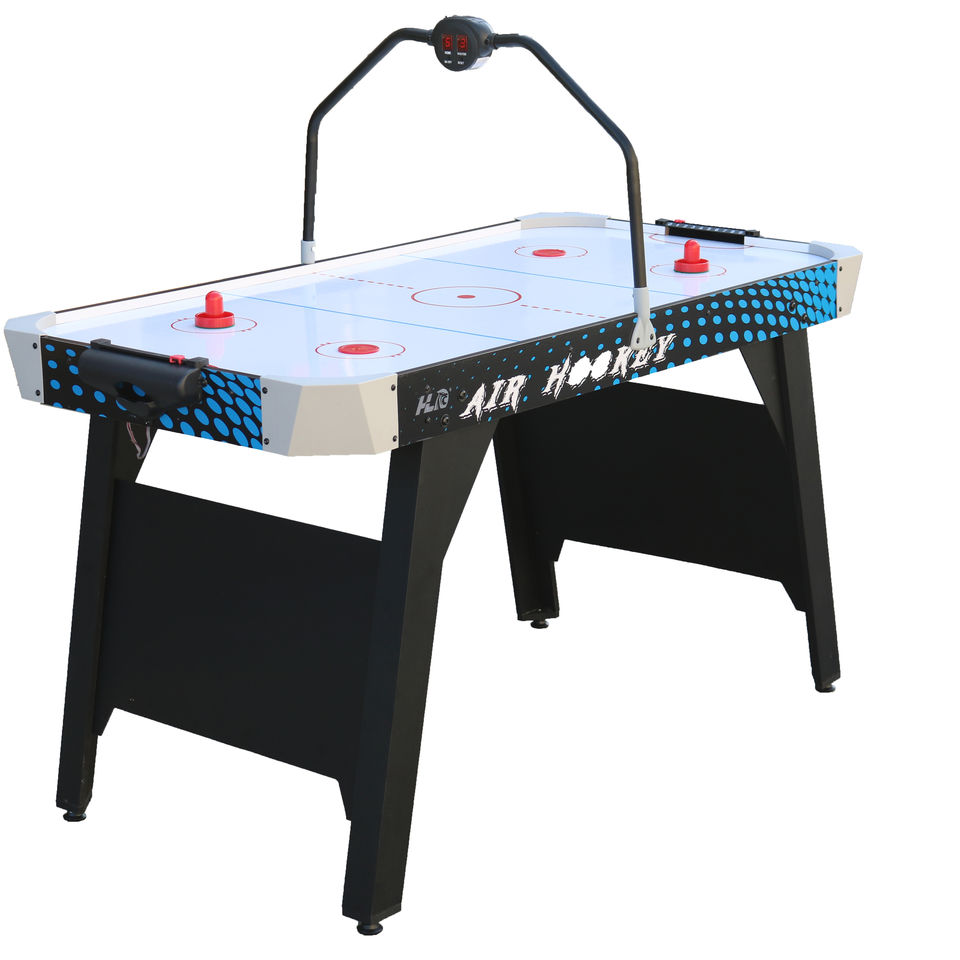
The air hockey table has been a staple of arcades, bars, and family game rooms for decades. But if you think you have seen everything this classic game has to offer, think again. A new wave of air hockey technology is about to redefine the way players experience the fast-paced action. From smart sensors to adaptive airflow systems, these innovations promise to make every match more competitive, more immersive, and more fun. In this comprehensive guide, we will explore the latest announcements, break down the game-changing features, and show you how to make the most of this new era in air hockey.
Why Air Hockey Technology Is Finally Evolving
For years, air hockey tables have relied on the same basic design: a perforated surface, a blower motor, and two mallets. While that formula works, it has not changed much since the 1970s. The recent surge in home entertainment and competitive gaming has created demand for smarter, more connected experiences. Manufacturers have responded with a suite of technologies that bring air hockey into the modern age.
Three main forces are driving this change:
- Smart home integration: Players want their game tables to connect with apps, voice assistants, and streaming platforms.
- Competitive esports influence: Automated scoring and stat tracking are making air hockey more like a digital sport.
- Material science breakthroughs: New polymers and coatings reduce friction and improve puck speed without increasing energy consumption.
These forces have converged to produce the most significant leap in air hockey technology in a generation.

Key Game-Changing Features Announced
The latest air hockey tables come packed with features that were unimaginable just a few years ago. Here are the headline innovations you need to know about.
1. Adaptive Airflow Control
Traditional tables push air through the play surface at a constant rate. The new adaptive airflow system uses pressure sensors embedded beneath the surface to detect the puck's position and speed. It then adjusts the blower output in real time, creating a more consistent glide and reducing dead spots. The result is a smoother, faster game that feels fairer for both players.
Practical tip: If you are upgrading to a table with adaptive airflow, start with the default settings. Most systems have a calibration mode that learns your playing style after a few games.
2. Smart Scoring and Stat Tracking
Gone are the days of manual scorekeeping. New tables use optical sensors and accelerometers to automatically detect goals, track shot speed, and record possession time. This data is sent to a companion app, where you can review your performance, compare with friends, and even share highlights on social media.
Some advanced models also include a "shot map" feature that shows where your goals originated from, helping you identify strengths and weaknesses in your game.
3. illuminated edge trim and Reactive Displays
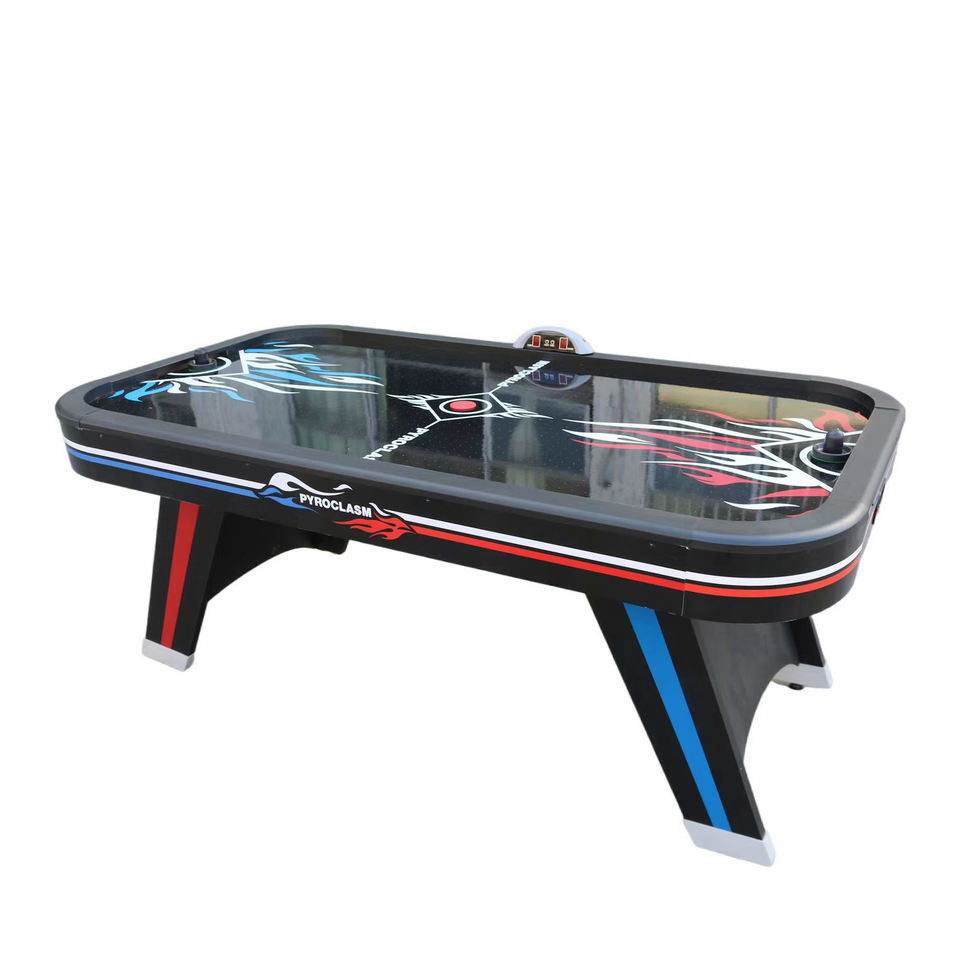
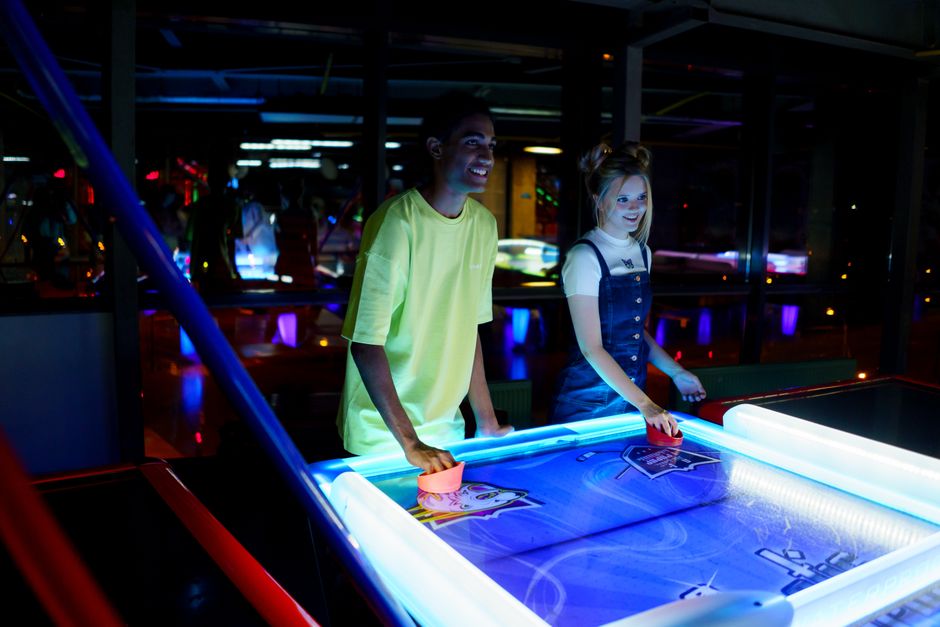
illuminated strips along the rails and goal areas can now react to gameplay. They flash when a goal is scored, change color based on the leading player, and even pulse in sync with the speed of the puck. This visual feedback adds a layer of excitement, especially in dimly lit game rooms.
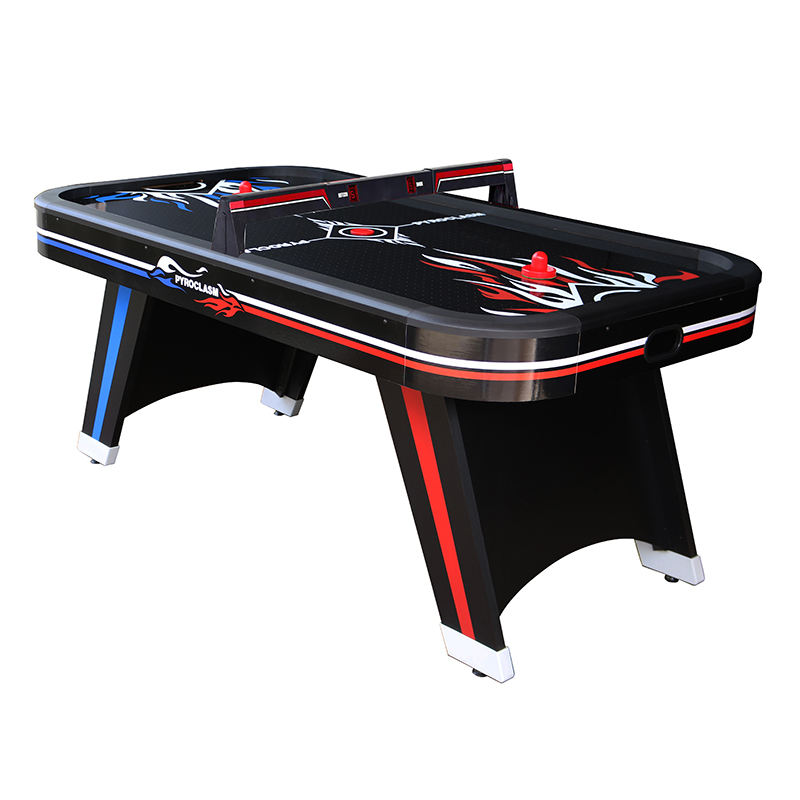
For tournament play, reactive displays can show timers, scores, and player names, eliminating the need for external scoreboards.
4. Wireless Connectivity and App Integration
Wi-Fi and Bluetooth connectivity allow you to connect your table to a smartphone or tablet. From the app, you can:
- Adjust blower speed and light modes
- Download firmware updates
- Set up player profiles and track lifetime stats
- Challenge remote players to asynchronous matches
Some manufacturers are even experimenting with online multiplayer, where two tables in different locations are linked for a real-time match.
5. Durable, Low-Friction Play Surfaces
New composite materials are replacing traditional melamine and acrylic surfaces. These materials are engineered to resist scratches, reduce static buildup, and maintain consistent airflow. They also allow the puck to travel faster with less blower power, which means quieter operation and lower energy bills.
How These Features Improve Gameplay
All this technology is not just for show. It directly enhances the core experience of air hockey.
| Feature | Benefit for Players |
|---|---|
| Adaptive airflow | Consistent puck speed, fewer frustrating stalls, fairer matches |
| Smart scoring | No arguments over goals, detailed performance insights |
| illuminated trim | Better visibility, more exciting atmosphere |
| App integration | Easy customization, progress tracking, social sharing |
| Advanced surfaces | Faster play, less maintenance, quieter operation |
Together, these features make air hockey more accessible to beginners while giving advanced players the tools they need to refine their skills.
What This Means for Competitive Air Hockey
Competitive air hockey has long been a niche sport, but smart technology could change that. With automated refereeing and real-time stats, tournaments can be run more efficiently and broadcast more professionally. Players can review match data to prepare for opponents, similar to how esports athletes study replays.
Some leagues are already adopting these tables for official play. The consistent airflow and sensor-based scoring remove human error, ensuring that every match is decided by skill alone.
If you are a competitive player, look for tables that meet official specifications. Not all smart tables are approved for tournament use, so check with your local league before buying.
Practical Tips for Buying a New Air Hockey Table
With so many new features available, choosing the right table can be overwhelming. Here are some practical tips to help you decide.
Consider Your Space and Budget
Smart tables come in various sizes, from 7-foot arcade models to compact 5-foot home versions. Measure your room carefully and leave at least 3 feet of clearance on all sides for players to move. Budget-wise, expect to pay a premium for advanced features, but remember that prices will drop as the technology matures.
Prioritize the Features You Will Actually Use
If you mostly play casual games with family, adaptive airflow and illuminated trim may be more valuable than deep stat tracking. If you are a serious player, smart scoring and app integration are must-haves.
Check for Firmware Updates
Smart tables rely on software. Before buying, ask the manufacturer how often they release updates and whether they plan to support the table long-term. A table with no update path may become obsolete quickly.
Test Before You Buy
Whenever possible, visit a showroom or arcade that has the latest models. Feel the airflow, test the sensors, and see how the app works. Hands-on experience is the best way to judge whether a table lives up to its promises.
The Future of Air Hockey Technology
This is just the beginning. Manufacturers are already working on augmented reality (AR) overlays that project training drills onto the play surface, and AI opponents that adapt to your skill level. We may soon see air hockey tables that double as interactive gaming platforms, with multiple game modes and downloadable content.
One thing is certain: the air hockey table is no longer just a piece of furniture. It is becoming a smart, connected device that brings people together for fast-paced, high-tech fun.
Conclusion
The new air hockey technology announced this year represents a major leap forward for the sport. With adaptive airflow, smart scoring, reactive illumination, and app integration, these tables offer a more immersive and competitive experience than ever before. Whether you are a casual player or a tournament hopeful, there has never been a better time to upgrade your game. Keep an eye on these developments, and get ready to experience air hockey like never before.
Send your model list, quantities and destination — we propose a mix, a carton plan and a spare-parts kit.