
 English
 简体中文
简体中文 Русский
 Español
 Deutsch
Yoga Hammock Benefits for Spine Decompression

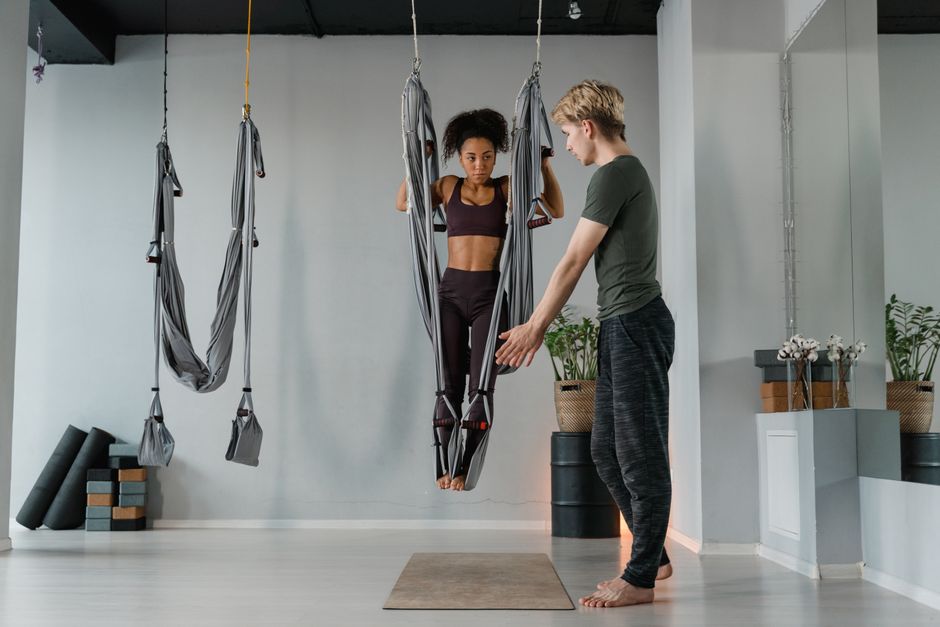
Yoga Hammock Benefits for Spine Decompression: A Complete Guide
If you spend hours each day sitting at a desk, staring at a screen, or driving, your spine is quietly paying the price. Over time, gravity, poor posture, and repetitive strain compress the vertebrae and the discs between them, leading to stiffness, nagging back pain, and reduced mobility. While traditional stretching and chiropractic care can help, a growing number of practitioners are turning to an unexpected tool: the yoga hammock. In this guide, we'll explore exactly how a yoga hammock supports spine decompression, what the science says, and how to use one safely and effectively.
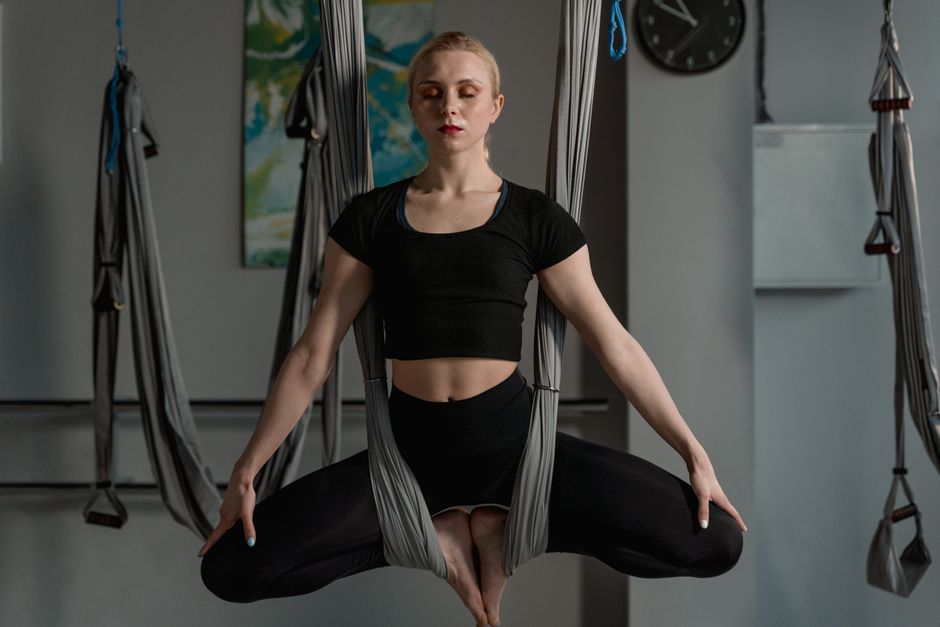
What Is a Yoga Hammock?
A yoga hammock (sometimes called an aerial yoga hammock or inversion swing) is a soft, durable fabric sling suspended from the ceiling or a sturdy frame. Unlike a rigid inversion table, the hammock cradles the body and allows you to move fluidly between supported poses, gentle inversions, and floating rest positions. Because the fabric distributes your weight evenly, it removes much of the load from your joints and spine while you stretch.
Yoga hammocks are typically made from parachute nylon or a cotton-blend fabric and are rated to hold between 300 and 500 pounds (136–227 kg). They can be mounted with ceiling brackets, a stand, or a beam, making them accessible for home practitioners as well as studios.
How Does Spine Decompression Actually Work?
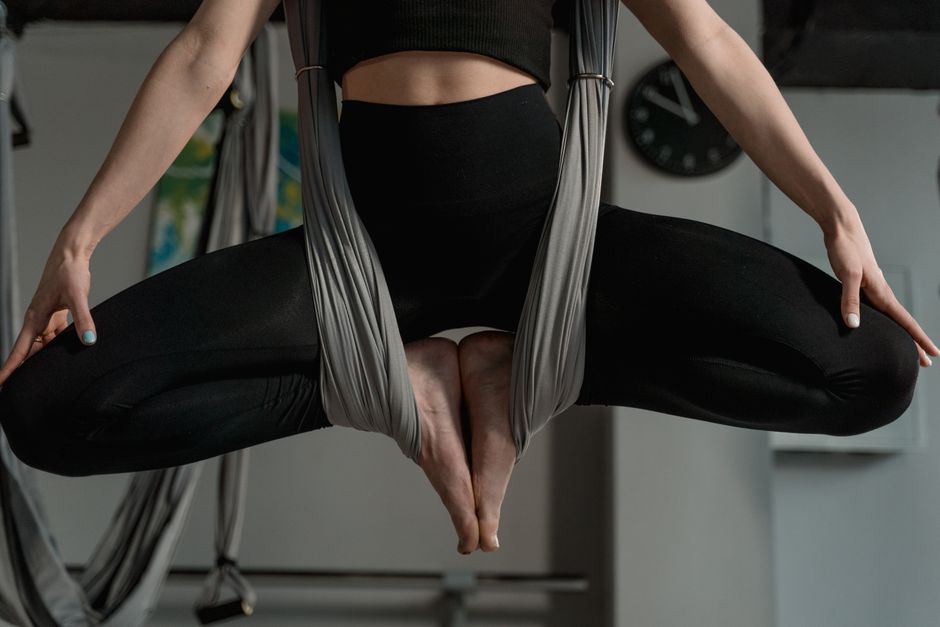
Spinal decompression is the process of creating space between the vertebrae. When you hang, invert, or float in a hammock, gravity pulls your body downward while the fabric supports your weight. This gentle traction lengthens the spine, reduces pressure on the intervertebral discs, and gives the surrounding muscles a chance to release.
Think of your spine like a stack of sponges. When you sit or stand all day, the sponges get squeezed. When you hang or recline in a hammock, the sponges can reabsorb fluid and expand. That's why many people feel taller and looser after just a few minutes of hammock work.
The Role of the Discs
Intervertebral discs are the shock absorbers between your vertebrae. They have a gel-like center (nucleus pulposus) and a tough outer ring (annulus fibrosus). Compression pushes the gel outward, which can eventually cause bulges or herniations. Decompression encourages the gel to return to the center, reducing pressure on nearby nerves.
The Role of the Muscles
When your spine is compressed, the deep stabilizers—multifidus, transverse abdominis, and pelvic floor—often become tight or inhibited. Floating in a hammock allows these muscles to relax and re-engage in a more balanced way. This is why many practitioners report not just less pain but also better posture after regular sessions.
Key Benefits of Yoga Hammock for Spine Decompression
- Gentle traction without harsh inversion: Unlike a full inversion table, the hammock lets you control the angle and duration, making it safer for people with neck or blood pressure concerns.
- Increased disc hydration: Reduced compression allows discs to absorb nutrients and fluid more effectively.
- Reduced back and neck pain: Many users report immediate relief from tension headaches and lower back stiffness.
- Improved flexibility: Supported stretches let you hold poses longer and go deeper without straining.
- Better posture: Releasing tight hip flexors and chest muscles helps you stand taller.
- Stress relief: The rocking motion of a hammock calms the nervous system and lowers cortisol.
- Core and stabilizer activation: Balancing in the hammock engages deep core muscles that support the spine.
Yoga Hammock vs. Inversion Table vs. Mat Stretching
| Method | Decompression Level | Comfort | Best For |
|---|---|---|---|
| Yoga Hammock | Moderate to high (adjustable) | High—cradled support | Gentle traction, relaxation, flexibility |
| Inversion Table | High (full inversion) | Moderate—can feel intense | Targeted disc pressure relief |
| Mat Stretching | Low | High | General mobility and warm-ups |
How to Use a Yoga Hammock for Spine Decompression
1. Set Up Safely
Mount your hammock at a height that lets you sit with your hips just above the fabric. Test the anchor point with your full body weight before every session. If you're unsure about your ceiling structure, consult a professional installer.
2. Start with Supported Rest
Begin by sitting in the hammock with your feet on the floor. Lean back and let the fabric support your lower back. Breathe deeply for 2–3 minutes. This alone can start the decompression process.
3. Try a Gentle Inversion
Lie back fully so your hips are in the hammock and your head is supported. Let your legs relax. Hold for 30 seconds to 2 minutes, depending on comfort. Never force a position that causes pain or numbness.
4. Add Traction Movements
Gently push your feet against the hammock fabric to create a subtle rocking motion. This micro-traction helps the spine lengthen without aggressive pulling.
5. Finish with a Forward Fold
Come out of inversion slowly. Sit up, then hinge forward into a supported forward fold with the hammock behind your back. This helps reset your posture and prevent dizziness.
Practical Tips for Best Results
- Consistency beats intensity: 5–10 minutes daily is more effective than one long session per week.
- Breathe slowly: Deep diaphragmatic breathing enhances relaxation and decompression.
- Hydrate: Discs need water to rehydrate—drink plenty before and after.
- Avoid bouncing: Sudden movements can strain the spine. Keep motions smooth.
- Listen to your body: Stop if you feel sharp pain, tingling, or dizziness.
- Combine with strength work: Decompression is most effective when paired with core and back strengthening.
Who Should Avoid a Yoga Hammock?
While yoga hammocks are generally safe, you should consult a doctor before use if you have:
- Uncontrolled high blood pressure
- Glaucoma or eye pressure issues
- Recent spinal surgery or injury
- Vertigo or inner ear disorders
- Pregnancy (unless cleared by a practitioner)
What the Research Says
Studies on inversion therapy and traction show measurable increases in spinal disc height and reduced pain scores in participants with chronic low back pain. While research specifically on yoga hammocks is still emerging, the principles of traction and supported movement are well established. Anecdotal reports from aerial yoga practitioners consistently cite improved spinal mobility and reduced tension.
Final Thoughts
A yoga hammock is more than a trendy prop—it's a versatile tool for spine decompression that combines traction, relaxation, and functional movement. Whether you're recovering from desk-related stiffness or simply want to feel taller and more mobile, a few minutes of hammock work each day can make a noticeable difference. Start slowly, stay consistent, and let gravity do the work while the fabric supports you.
Ask us anything about fabrics, rigging, load ratings or shipping — we answer personally.