 English
 简体中文
简体中文 Русский
 Español
 Deutsch
Can You Do Yoga Hammock With No Experience?
Can You Do Yoga Hammock With No Experience?
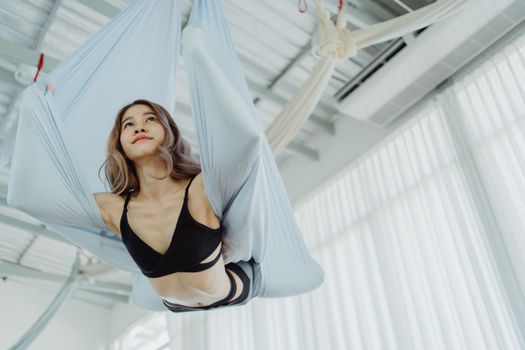
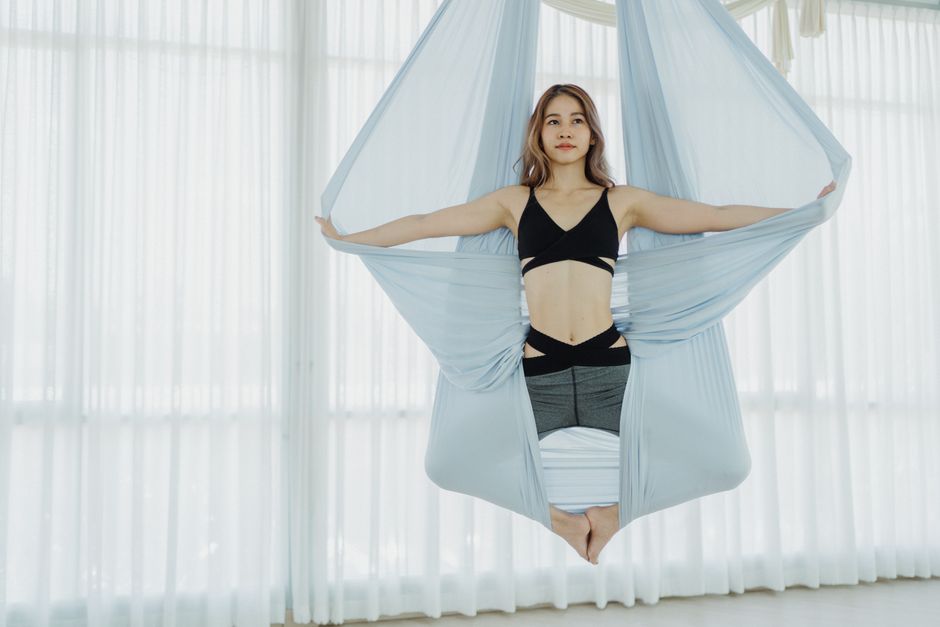
Yes, you can absolutely do yoga hammock with no experience. In fact, most people who try aerial yoga hammock classes are complete beginners. The hammock is designed to support your body weight, so you don't need prior yoga, gymnastics, or fitness experience to get started. Instructors typically guide new students through basic poses, safety checks, and how to enter and exit the hammock before moving on to more advanced movements.
That said, starting with a qualified teacher is important. A good beginner class will focus on building comfort and confidence rather than pushing you into complicated inversions. With a few sessions, most beginners feel relaxed and even excited about trying new poses. If you can walk, sit, and lie down, you already have the basic abilities needed for your first yoga hammock class.
What Is Yoga Hammock, and How Is It Different From Regular Yoga?
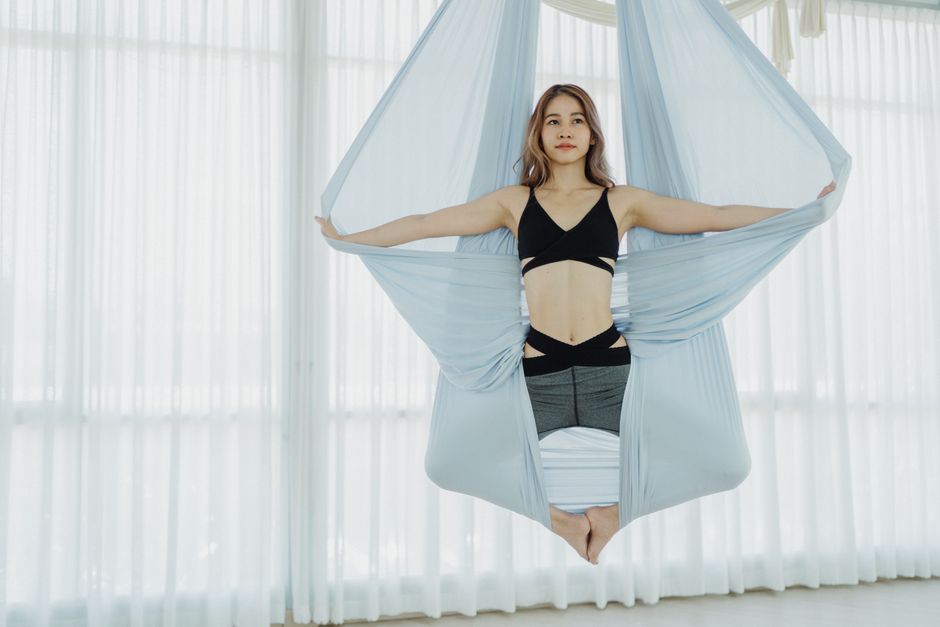
Yoga hammock, also called aerial yoga, uses a soft fabric hammock suspended from the ceiling. The hammock supports part or all of your body weight, which lets you explore traditional yoga poses with less pressure on your joints, spine, and muscles. Unlike mat yoga, you're often floating, swinging, or partially inverted, which adds a playful, low-impact challenge.
The main differences are support and sensation. On a mat, gravity presses you into the floor. In a hammock, the fabric cradles you and can make some poses easier while making others feel completely new. Because of this, yoga hammock is often recommended for people who find regular yoga uncomfortable or boring, or for anyone who wants a gentle way to build strength and flexibility.
Do I Need to Be Flexible or Strong to Start?
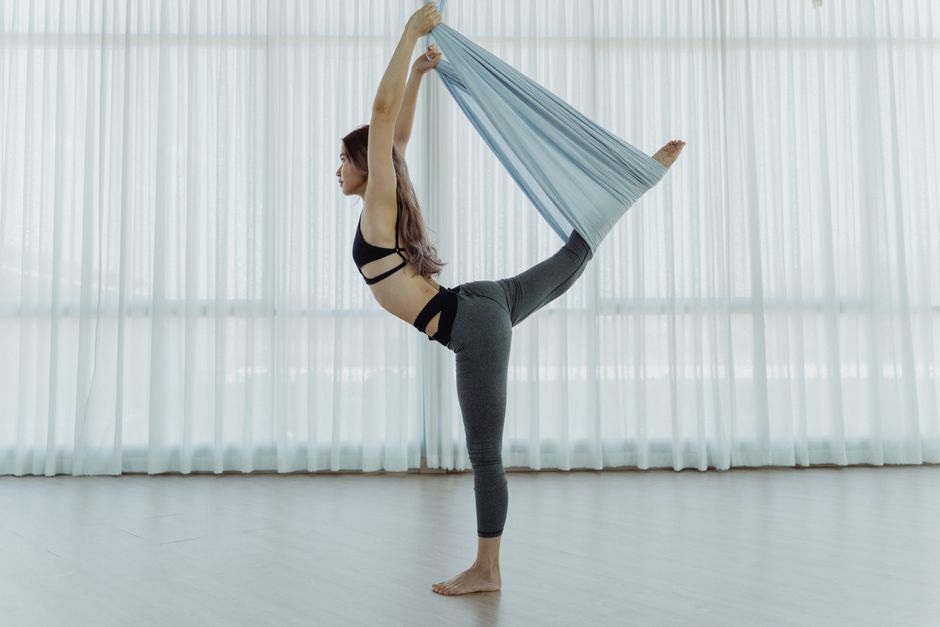
No. Flexibility and strength are results of practice, not requirements to begin. The hammock actually helps you access stretches and poses that might be difficult on a mat because it supports your weight and reduces the load on your muscles. A beginner can start with simple seated, standing, and supported poses and gradually build both strength and range of motion.
If you have very limited mobility, let your instructor know before class. They can offer modifications, extra support, or a lower hammock height. Many people are surprised by how quickly their flexibility and core strength improve after just a few weeks of regular practice.
Is Yoga Hammock Safe for Complete Beginners?
Yoga hammock is generally safe for beginners when the equipment is properly installed and the class is led by a trained instructor. The hammock is rated to hold far more than a single person's weight, and reputable studios inspect their rigging regularly. Your instructor should show you how to check the fabric, adjust the height, and position your body safely before any pose.
As with any physical activity, there are some risks, especially if you try advanced moves too soon or ignore instructions. Avoid practicing alone at home until you have enough experience, and never attempt inversions without proper guidance. If you have a medical condition, are pregnant, or have recent injuries, check with your doctor first and choose a class designed for your needs.
What Should I Wear to My First Yoga Hammock Class?
Wear fitted, comfortable clothing that covers your armpits and the backs of your knees. Loose shirts can ride up during inversions, and bare skin can stick or chafe against the fabric. Leggings or fitted pants and a snug top are ideal. Avoid zippers, buttons, or sharp accessories that could snag the hammock.
You'll usually practice barefoot, so no special shoes are needed. Remove jewelry, watches, and hair clips before class. Some studios provide grip socks, but bare feet are typically best for feeling the fabric and maintaining control.
What Happens in a Beginner Yoga Hammock Class?
A typical beginner class lasts 45 to 75 minutes and follows a predictable structure. It usually starts with a warm-up on the mat, then moves into gentle hammock work such as seated poses, supported standing poses, and simple forward folds. The instructor demonstrates each move and often assists students individually.
You'll learn how to hold the fabric, how to sit and lie in the hammock, and how to safely come out of each pose. Classes often end with a relaxing cocoon-like savasana inside the hammock. Expect to feel a little awkward at first, then increasingly comfortable as the class progresses. There's no competition, and everyone is focused on their own experience.
How Many Classes Does It Take to Feel Comfortable?
Most beginners feel noticeably more comfortable after two or three classes. By then, you'll know how to enter and exit the hammock smoothly, understand basic grips and foot placements, and trust the fabric to support you. Feeling fully confident with inversions and flowing sequences may take several weeks or months, depending on how often you practice.
Consistency matters more than intensity. Practicing once or twice a week is usually enough to see progress in strength, balance, and confidence. If you can, take the same beginner series or class repeatedly so you can build on familiar movements instead of starting over each time.
Can Yoga Hammock Help With Fitness and Weight Loss?
Yes, yoga hammock can contribute to fitness and weight management as part of an active lifestyle. It builds core strength, improves balance, increases flexibility, and raises your heart rate during dynamic sequences. Because you're working against gravity and stabilizing your body in an unstable fabric, you often engage more muscles than in a comparable mat pose.
That said, no single activity guarantees weight loss. Sustainable results come from consistent movement, balanced nutrition, and adequate rest. Think of yoga hammock as one enjoyable piece of a healthy routine rather than a quick fix. Many people stick with it because it feels like play, which makes regular exercise easier to maintain.
What Are Common Beginner Mistakes to Avoid?
One of the biggest mistakes is gripping the fabric too tightly or tensing your whole body. Relaxed muscles and steady breathing make poses easier and safer. Another common error is rushing into inversions before you've mastered basic support and exit techniques. Always follow your instructor's progression.
Other mistakes include wearing the wrong clothing, skipping the warm-up, and comparing yourself to more experienced students. Listen to your body, ask questions, and stop if you feel pain or dizziness. A good instructor will welcome questions and adjust the class to help beginners succeed.
How Do I Choose a Good Beginner Yoga Hammock Studio?
Look for studios with certified aerial yoga instructors, proper ceiling rigging, and small class sizes. Ask about the hammock weight rating, inspection schedule, and whether beginner classes are separated from advanced ones. Reading reviews and visiting the space before booking can help you feel confident in your choice.
You can also ask about class structure, max students per hammock, and whether the instructor offers hands-on assistance. A studio that emphasizes safety, clear communication, and a welcoming atmosphere is the best place to start. If possible, try a single introductory class before committing to a package.
Final Thoughts
You don't need experience, flexibility, or strength to begin yoga hammock. With the right instructor, proper equipment, and a beginner-friendly class, you can safely explore this fun and supportive practice from day one. Start slow, ask questions, and enjoy the process.
Ask us anything about fabrics, rigging, load ratings or shipping — we answer personally.