 English
 简体中文
简体中文 Русский
 Español
 Deutsch
Yoga Hammock vs Aerial Hoop: Which to Choose?
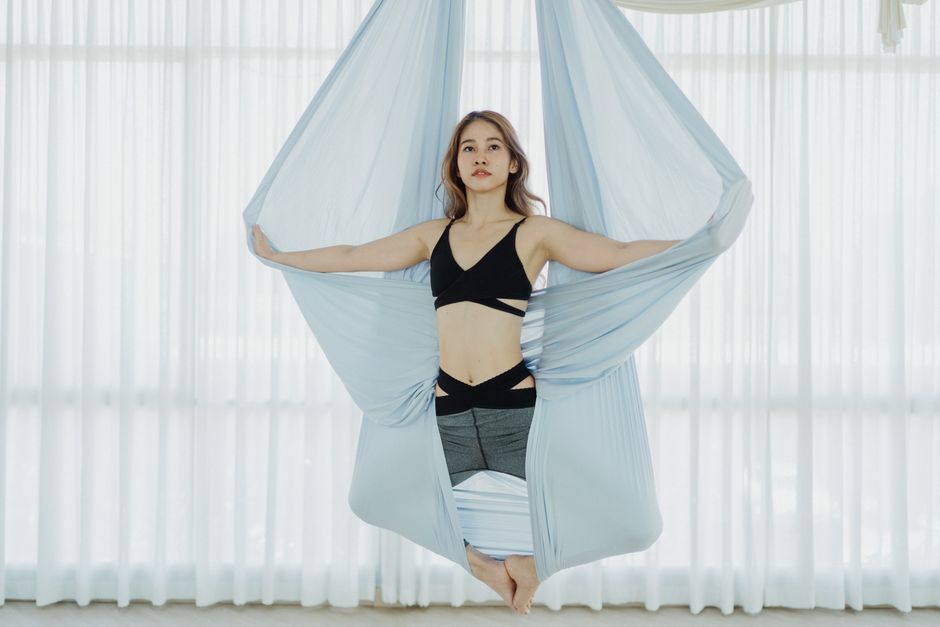
Yoga Hammock vs Aerial Hoop: Which to Choose?
If you're drawn to the world of aerial fitness, two of the most popular tools you'll encounter are the yoga hammock and the aerial hoop (also called the lyra). Both offer a thrilling way to build strength, flexibility, and confidence while suspended in the air, but they deliver very different experiences. In this guide, we'll compare these two options across cost, difficulty, safety, fitness benefits, and more, so you can decide which one belongs in your practice.
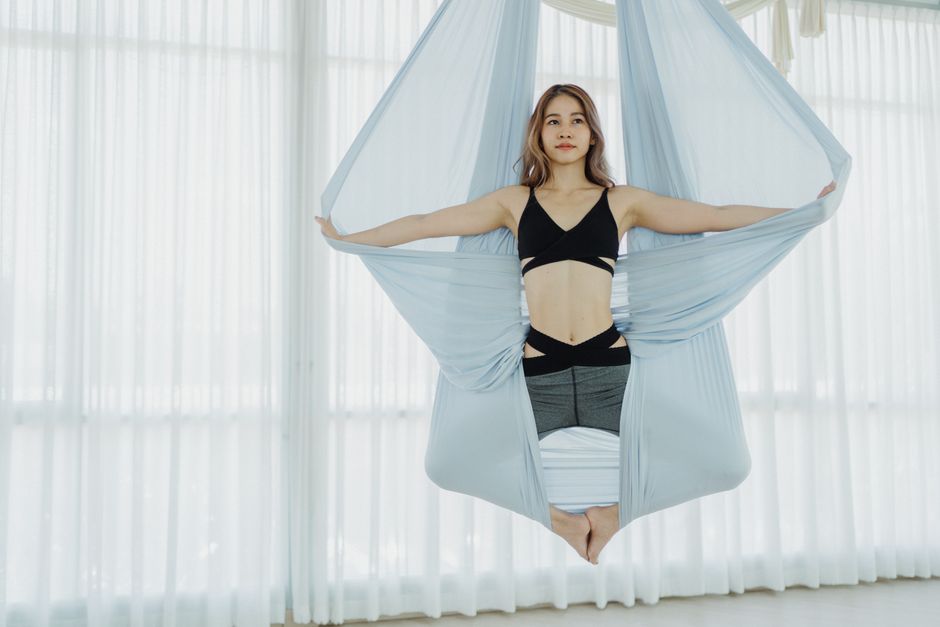
What Is a Yoga Hammock?
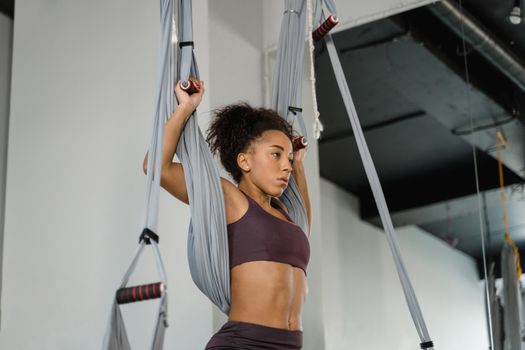
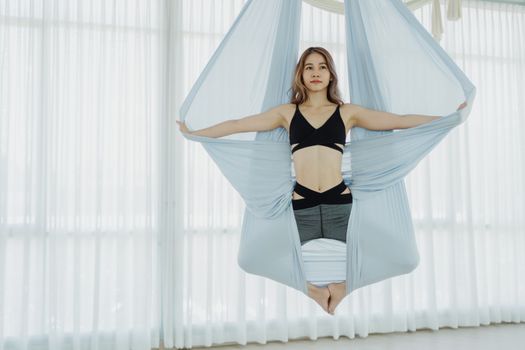
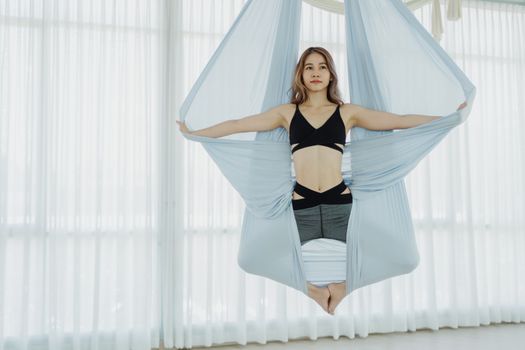
A yoga hammock is a long strip of soft, low-stretch fabric suspended from the ceiling at two points. It creates a cradle-like swing that supports your body during poses. Often called an aerial yoga hammock or aerial swing, it's used for gentle stretching, supported inversions, and restorative sequences. Because the fabric wraps around you, it feels secure and forgiving, making it a favorite for beginners and people recovering from injuries.
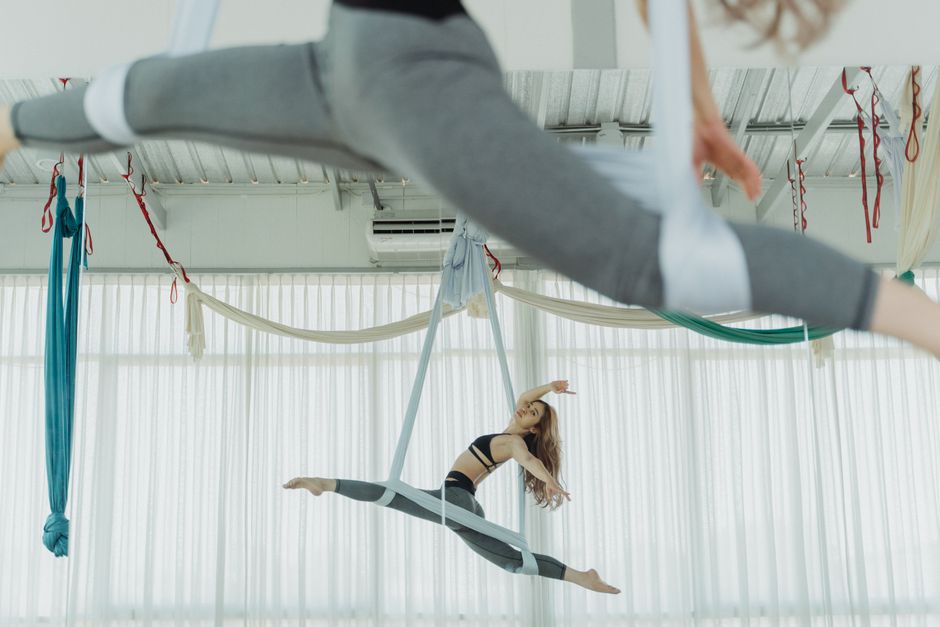
What Is an Aerial Hoop?
An aerial hoop is a circular metal apparatus, usually made of steel or aluminum, hung from a single point. It comes in various diameters (typically 85–95 cm) and can be taped or powder-coated for grip. Aerial hoop is a performance-oriented discipline: you'll learn to balance, spin, and transition between poses on and inside the ring. It demands more upper-body strength, grip, and body awareness than a hammock, but it rewards you with dramatic, photogenic moves.
Key Differences at a Glance
| Feature | Yoga Hammock | Aerial Hoop |
|---|---|---|
| Material | Soft, stretch-resistant fabric | Rigid metal ring |
| Learning curve | Gentle, beginner-friendly | Steeper, requires strength |
| Primary focus | Flexibility, relaxation, alignment | Strength, balance, dynamic tricks |
| Inversions | Supported and comfortable | Advanced and demanding |
| Pain factor | Low (fabric cushions) | Higher (metal pressure points) |
| Cost of apparatus | $60–$150 | $150–$400 |
| Rigging | Two anchor points, ceiling mount | Single-point swivel, ceiling mount |
| Space needed | Moderate (fabric spreads) | Compact (ring footprint) |
| Best for | Yoga lovers, rehab, relaxation | Dancers, performers, strength fans |
Fitness Benefits Compared
Yoga Hammock Benefits
- Spinal decompression: Supported inversions take pressure off the vertebrae.
- Deep stretching: The hammock lets you hold stretches longer with less strain.
- Core and stability: Balancing in the fabric activates deep stabilizer muscles.
- Stress relief: The cocoon-like swing promotes relaxation and mindfulness.
Aerial Hoop Benefits
- Upper-body strength: Pull-ups, mounts, and holds build serious arm and shoulder power.
- Grip strength: Constant contact with the bar strengthens hands and forearms.
- Coordination: Transitions require precise timing and body control.
- Artistic expression: The hoop is a canvas for choreography and performance.
Safety and Injury Considerations
Both disciplines require professional instruction and proper rigging. With a yoga hammock, the main risks are falls if you lose your grip or misjudge a wrap; the fabric is forgiving, but you still need a mat underneath. Aerial hoop carries a higher risk of bruising, skin burns, and muscle strain, especially when you're new. The metal ring puts concentrated pressure on the backs of the knees, hips, and waist. Beginners should always use crash mats, train under a certified coach, and progress gradually.
Rigging is non-negotiable: never hang either apparatus from a standard ceiling joist without a structural engineer's approval. A professional rigging point rated for dynamic loads is essential.
Cost and Commitment
| Expense | Yoga Hammock | Aerial Hoop |
|---|---|---|
| Apparatus | $60–$150 | $150–$400 |
| Rigging hardware | $50–$120 | $80–$200 |
| Classes (per session) | $15–$30 | $25–$45 |
| Typical time to basics | 1–3 classes | 4–8 classes |
The hammock is the more budget-friendly entry point, while the hoop often costs more upfront and requires a longer commitment to feel comfortable.
Which One Should You Choose?
Your choice depends on your goals, fitness level, and personality:
- Choose a yoga hammock if: You want gentle, restorative movement, you're new to aerial arts, you have back pain or limited mobility, or you prefer a calming, meditative practice.
- Choose an aerial hoop if: You love a challenge, you already have decent upper-body strength, you're drawn to dance and performance, or you want a dynamic, high-energy workout.
Our recommendation: If you're a beginner, start with the yoga hammock. It builds the body awareness, confidence, and core strength you'll need if you later transition to the hoop. Many aerialists use both: the hammock for recovery and flexibility days, and the hoop for strength and skill work. If you're already fit and crave adrenaline, go straight to the hoop—but budget for a few private lessons to learn safe mounts and dismounts.
Final Thoughts
There's no single "better" apparatus—only the one that matches your body and your goals. The yoga hammock is your gateway to accessible, soothing aerial movement, while the aerial hoop is a demanding but exhilarating path to strength and artistry. Try an introductory class in each before you buy, and let your own experience make the final call.
Ask us anything about fabrics, rigging, load ratings or shipping — we answer personally.