 English
 简体中文
简体中文 Русский
 Español
 Deutsch
Artificial Turf Company News 2024: Industry Updates
Discover the top artificial turf company news of 2024, from manufacturing expansions to PFAS rules. Stay ahead of industry updates—read now!
1. Major Artificial Turf Manufacturers Expand US Production Capacity in 2024
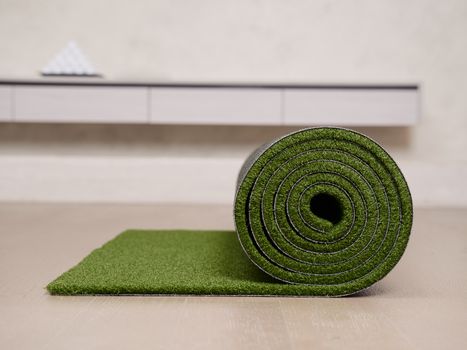
One of the biggest stories in the artificial turf industry this year has been the wave of domestic manufacturing expansion. Several leading synthetic turf producers announced multi-million-dollar investments in new extrusion and tufting lines across Georgia, Texas, and California. The move is largely a response to surging demand from both residential landscaping and sports facility projects, which grew faster than many analysts predicted in 2023.
These expansions matter for contractors and distributors because domestic production shortens lead times and reduces reliance on overseas shipping. Companies that previously waited 8–12 weeks for imported turf are now seeing delivery windows shrink to 3–5 weeks on select product lines. Industry insiders expect this trend to continue into 2025 as more brands pursue vertical integration.
For buyers, the practical takeaway is simple: ask your supplier where their turf is manufactured and what their current lead times look like. Domestic capacity is becoming a genuine competitive advantage, and it's shaping pricing negotiations across the market.

2. New PFAS Regulations Reshape Artificial Turf Sourcing
Regulatory scrutiny around per- and polyfluoroalkyl substances (PFAS) intensified dramatically in 2024. Several US states, including California, Massachusetts, and New York, advanced legislation restricting PFAS in consumer products, and artificial turf infill has been caught in the crosshairs. This has pushed manufacturers to reformulate backing systems, coatings, and infill options.
In response, many companies have introduced PFAS-free turf lines and published third-party lab testing to reassure customers. Bio-based infills made from cork, coconut, and olive pits have gained shelf space as alternatives to traditional styrene-butadiene rubber (SBR) crumb rubber. Certification programs such as those from independent testing labs are becoming a standard part of the sales conversation.
If you're specifying turf for a school, municipality, or park in 2024, documentation is no longer optional. Request PFAS test reports, confirm compliance with your state's rules, and factor certification costs into your project budget.
3. Artificial Turf Recycling Programs Hit New Milestones
End-of-life turf has long been the industry's biggest environmental criticism, but 2024 brought real progress. A coalition of manufacturers, recyclers, and sports organizations reported that recycled turf volumes increased substantially year over year, driven by new separation technology that can recover both the backing and the fibers.
Several companies launched take-back programs where old fields are removed and processed into secondary products like equestrian footing, playground surfaces, and composite lumber. Some programs now offer credits toward new turf purchases, effectively lowering the net cost of field replacement for schools and clubs.
The economics are still challenging—recycling turf costs more than landfilling in many regions—but grants and extended producer responsibility (EPR) proposals are closing the gap. Facility managers should check whether their installer participates in a certified recycling network before signing a replacement contract.
4. Sports Organizations Update Field Performance Standards
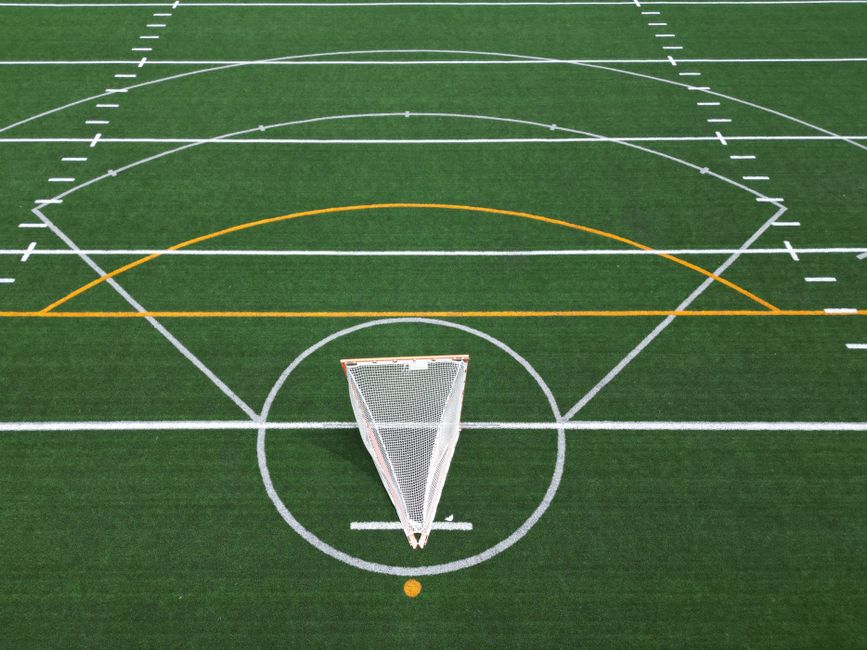
Governing bodies overseeing soccer, football, and multi-use athletic fields released updated performance and safety standards in 2024. The revisions focus on shock absorption, ball roll, and surface temperature, with stricter testing protocols for fields installed in hot climates. These changes directly affect turf specifiers and installers.
Notably, several standards now include clearer guidance on infill depth and fiber resilience over the life of the field, encouraging more frequent maintenance audits. Manufacturers have responded with new fiber shapes and dual-layer backing systems designed to hold performance characteristics longer under heavy use.
For athletic directors, the message is to plan for lifecycle testing, not just installation. Budgeting for annual Gmax and ball-roll testing can prevent costly field closures and extend the usable life of a synthetic surface by several years.
5. Installation Costs Stabilize After Years of Volatility
After supply chain shocks and inflation pushed artificial turf prices sharply higher in 2022 and 2023, 2024 brought welcome stabilization. Average installed costs for residential lawns leveled off, while large-field projects saw moderate increases tied to labor shortages rather than materials.
Contractors report that customers are increasingly value-conscious, comparing turf grades and warranty terms more carefully than in previous years. Premium products with longer warranties and better UV resistance are winning bids even at higher price points, especially in sun-heavy markets like Arizona, Florida, and Southern California.
The outlook for 2025 suggests continued stability, though tariffs and freight rates remain wild cards. Locking in pricing early in the project cycle is a smart move for anyone planning a large installation.
6. Smart Turf Technology Moves from Concept to Commercial Reality
Embedded sensors and smart turf systems took a significant step forward in 2024. Several companies commercialized fields equipped with moisture, temperature, and impact sensors that feed data to facility dashboards. Early adopters include university athletic departments and professional training centers.
These systems promise better maintenance decisions, real-time safety monitoring, and data-driven scheduling of irrigation and grooming. While the upfront cost remains high, vendors argue that extended field life and reduced injury risk justify the investment for high-traffic facilities.
For the broader market, the technology signals where the industry is heading: turf is becoming a connected asset rather than a passive surface. Expect sensor-equipped options to trickle down to municipal and school projects within a few years.
7. Industry Consolidation Accelerates with Key Acquisitions
Mergers and acquisitions reshaped the competitive landscape in 2024. Several regional installers were acquired by national platforms seeking to offer turnkey service across more markets, while at least one mid-sized manufacturer was absorbed by a larger building products group.
Consolidation brings benefits like standardized installation quality and stronger warranties, but it can also reduce local choice. Smaller contractors are responding by emphasizing craftsmanship, faster response times, and niche expertise such as pet-friendly or roof-deck installations.
For consumers and procurement teams, the lesson is to evaluate the corporate parent behind a bid. A familiar local brand may now be part of a national chain with different service terms, so read contracts carefully and confirm who actually performs the work.
8. Water Restrictions Drive Residential Demand in the West
Drought conditions and stricter watering rules in the western United States continued to fuel residential artificial turf demand in 2024. Rebate programs in cities across Nevada, Arizona, and California now cover a meaningful share of conversion costs, and many homeowners cite water savings as their primary motivation.
Turf companies have responded with product lines tailored to xeriscape design, including softer fibers, natural-color blends, and heat-reflective backing. These features address the two most common homeowner complaints: surface temperature and an unnatural appearance.
With climate-driven water policy unlikely to loosen, the residential segment looks durable. Dealers in western markets report that education—not persuasion—is now the core of the sales process, as customers arrive already convinced they want turf.
9. Warranties Get Longer and More Transparent
Competition pushed warranty terms to new highs in 2024, with several manufacturers offering 15- to 20-year residential warranties and expanded commercial coverage. More importantly, warranty language has become clearer about what is and isn't covered, including fading, matting, and seam failures.
This transparency is a direct response to customer frustration with vague exclusions in older contracts. Companies now publish maintenance requirements—brushing, infill top-ups, and cleaning—that must be followed to keep coverage valid, and some offer app-based maintenance reminders.
Buyers should compare warranties side by side, paying attention to proration schedules and transferability if they plan to sell their home or facility. A longer warranty is only valuable if the terms are realistic and the manufacturer has a track record of honoring claims.
10. What to Watch in the Second Half of 2024 and Beyond
Looking ahead, the artificial turf industry faces a mix of opportunity and scrutiny. PFAS regulation, recycling infrastructure, and labor availability will dominate headlines, while demand from water-scarce regions and sports facilities remains strong. Companies that invest in transparency and sustainability are likely to outperform those that don't.
For industry professionals, the second half of 2024 is a good time to audit your supply chain, update your compliance documentation, and train staff on the new performance standards. For consumers, it's a moment of leverage: competition is fierce, warranties are strong, and pricing is stable.
Whether you're a contractor, facility manager, or homeowner, staying informed about these company news developments will help you make smarter decisions in a fast-moving market.