 English
 简体中文
简体中文 Русский
 Español
 Deutsch
Artificial Grass Industry Trends to Watch Now
Discover the latest artificial grass industry trends, from sustainable turf systems to smart installation and cooling yarns. Stay ahead—read our expert guide now!
The artificial turf industry is evolving faster than ever. What was once a niche product for sports fields and patios has become a mainstream landscaping and recreation solution across residential, commercial, and municipal markets. New materials, smarter installation methods, and shifting consumer expectations are reshaping how artificial grass is designed, sold, and maintained. In this guide, we break down the latest artificial grass industry trends to watch now, with practical insights you can apply to your purchasing decisions or business strategy.

1. Sustainable and Recyclable Turf Systems
Sustainability is no longer a marketing buzzword—it is a core requirement for buyers. Manufacturers are responding with turf systems that use recycled content in backing and infill, reduced-virgin-plastic yarns, and bio-based materials. The goal is to cut the environmental footprint of production while extending product life.
What to look for
- Recycled backing: Look for polyurethane or polyolefin backings that incorporate post-industrial recycled content.
- Bio-based infill: Options such as cork, coconut husk, and olive pit infill reduce reliance on crumb rubber.
- Take-back programs: Some suppliers now reclaim old turf at end of life and recycle it into new products.
For buyers, sustainability claims should be backed by third-party certifications such as Cradle to Cradle, GREENGUARD, or ISO 14001. Ask suppliers for documentation—greenwashing is common, and verified data protects your investment.
2. Advanced Yarn Technology: Softer, Cooler, More Realistic
Yarn is the heart of any artificial grass product. Recent breakthroughs focus on three areas: realism, heat reduction, and durability.
Realism and shape memory
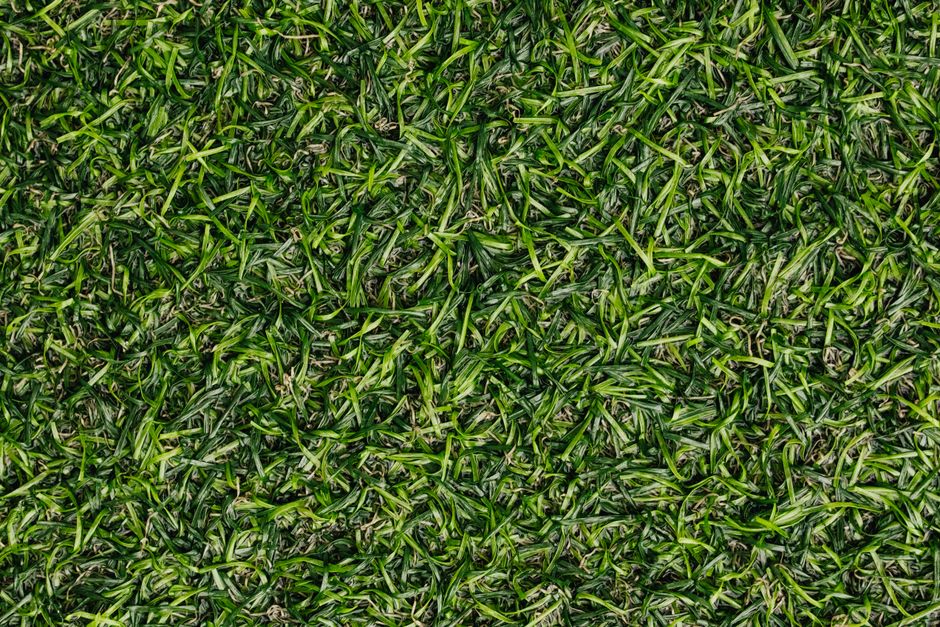
New multi-filament and “fibrillated” yarns mimic the texture and color variation of natural grass more closely than ever. Diamond-shaped and omega-shaped fibers refract light in ways that reduce the shiny, plastic look that plagued early products. Shape-memory polymers help blades spring back after foot traffic, keeping the lawn looking fresh.
Cooling technology
Surface temperature is a major concern, especially in hot climates. Manufacturers are embedding infrared-reflective pigments and adding cooling infills that can lower surface temperatures by 10–20°F compared to standard turf. This trend is especially important for playgrounds and pet areas where safety matters.
3. Hybrid and Multi-Functional Surfaces
One of the most interesting trends is the rise of hybrid surfaces that combine artificial grass with other materials. Examples include:
- Turf-plus-paver systems: Grass between pavers for driveways and patios that need load-bearing strength.
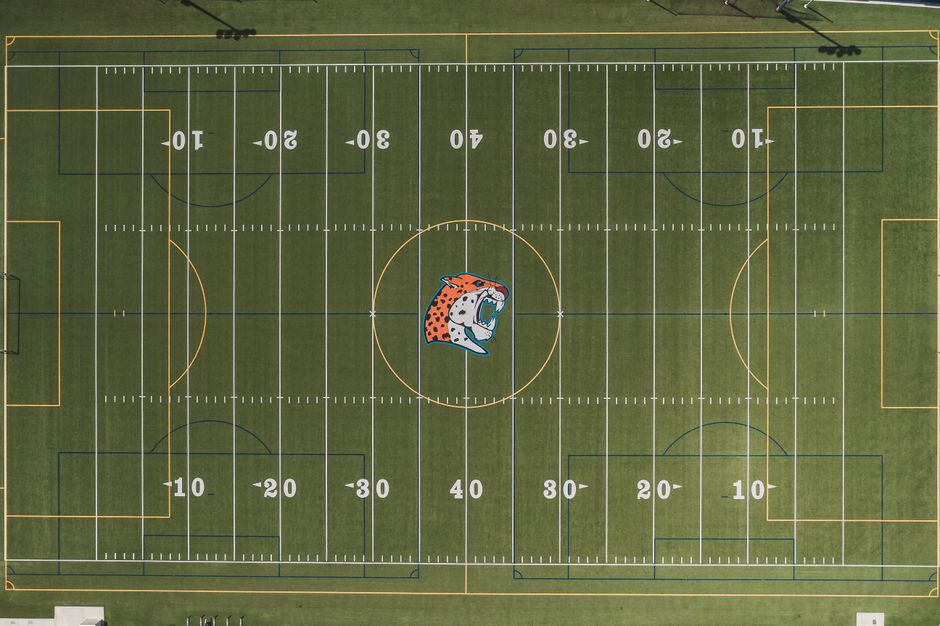
- Sports hybrids: Natural grass reinforced with synthetic fibers for stadiums that need both durability and playability.
- Pet-friendly turf with antimicrobial layers: Designed for odor control and easy cleaning.
These multi-functional products open new revenue streams for installers and give end users more design flexibility.
4. Smart Installation and Digital Tools
Installation is becoming more precise and data-driven. Companies are using 3D scanning, drone mapping, and design software to plan projects before a single roll is unrolled. This reduces waste, improves seam placement, and speeds up timelines.
Practical tips for installers
- Use laser levels and string lines to ensure consistent grade and drainage.
- Invest in a seam roller and proper adhesive—poor seams are the number one cause of premature failure.
- Document base preparation with photos; it protects you if a customer questions performance later.
Digital inventory and quote tools also help dealers manage supply chain volatility, a lesson learned from recent global logistics disruptions.
5. Water Conservation and Drought-Driven Demand
With water restrictions expanding across the western United States, southern Europe, and Australia, artificial grass is increasingly viewed as a water-saving infrastructure investment rather than a luxury. Municipal rebate programs in cities like Las Vegas, Los Angeles, and Phoenix now offer cash incentives for replacing natural lawns with artificial turf.
This trend is driving demand for turf that looks natural year-round and requires minimal maintenance. It is also pushing manufacturers to offer warranties of 15–20 years, giving homeowners confidence in long-term savings.
6. Pet and Playground Safety Standards
Health and safety are top of mind for families and facility managers. The industry is moving toward lead-free pigments, PFAS-free materials, and stricter testing for heavy metals. For playgrounds, impact attenuation (critical fall height) is a key specification.
| Application | Key Safety Consideration | Recommended Feature |
|---|---|---|
| Pet areas | Odor and bacteria control | Antimicrobial infill, permeable backing |
| Playgrounds | Fall height protection | Shock-absorbing pad, certified turf |
| Sports fields | Consistent ball roll and traction | FIFA-quality yarn, silica infill |
Always request test reports for lead, PFAS, and other regulated substances. Reputable suppliers provide these without hesitation.
7. Maintenance Innovation: Robots and Low-Maintenance Systems
Artificial grass still needs care—brushing, debris removal, and occasional infill replenishment. New robotic turf cleaners and automated blowers are entering the market, reducing labor costs for commercial properties and sports facilities. For homeowners, the trend is toward self-draining systems and infills that resist compaction, cutting maintenance to a few hours per year.
Quick maintenance checklist
- Rinse pet waste areas weekly with water and a mild enzyme cleaner.
- Brush high-traffic zones every 2–3 months to lift flattened fibers.
- Remove leaves and debris promptly to prevent staining and drainage clogs.
- Top up infill annually in heavily used areas.
8. Market Outlook and What It Means for Buyers
The global artificial turf market is projected to grow at a steady CAGR through the next decade, driven by urbanization, water scarcity, and the popularity of low-maintenance landscaping. Competition is intensifying, which is good news for buyers: quality is rising while prices stabilize.
When evaluating suppliers, prioritize transparency, warranty terms, and proven performance data over the lowest price. The cheapest turf often costs more over its lifetime through premature replacement and higher maintenance.
Final Thoughts
The artificial grass industry is entering a new era defined by sustainability, technology, and safety. Whether you are a homeowner planning a backyard renovation or a contractor sourcing materials for large-scale projects, staying informed about these trends will help you make smarter, more durable investments. Keep an eye on recyclable systems, cooling yarns, and smart installation tools—these are the trends shaping the next generation of artificial turf.