 English
 简体中文
简体中文 Русский
 Español
 Deutsch
How to Choose Artificial Turf for Your Company
Learn how to choose artificial turf for your company. Compare specs, infill, warranties, and installation tips to pick the best commercial synthetic grass.
Why Artificial Turf Is a Smart Business Investment
Artificial turf has moved far beyond residential lawns and weekend sports fields. Today, businesses of every size—from boutique hotels and car dealerships to corporate campuses and pet daycare centers—are turning to synthetic grass to solve real operational problems. It eliminates mowing, reduces water bills, withstands heavy foot traffic, and keeps outdoor spaces looking pristine year-round, regardless of climate or season.
But choosing artificial turf for a company is not the same as buying a roll of grass for a backyard. Commercial installations face higher traffic volumes, stricter safety and fire codes, longer warranty expectations, and greater brand exposure. A poor choice can mean faded fibers within a year, drainage failures, or costly replacement long before the product should have worn out. This guide walks you through every decision point so you can specify the right turf the first time.
Start With a Clear Use Case
The single biggest mistake businesses make is shopping for turf before defining exactly how the space will be used. Artificial turf is engineered for specific performance profiles, and a product that excels in one application may fail badly in another.
Common Commercial Applications
- Landscaping and curb appeal: Office entrances, hotel courtyards, restaurant patios, and median strips where appearance matters more than athletic performance.
- Pet facilities: Dog daycares, boarding kennels, and veterinary clinics need antimicrobial infill, superior drainage, and odor control.
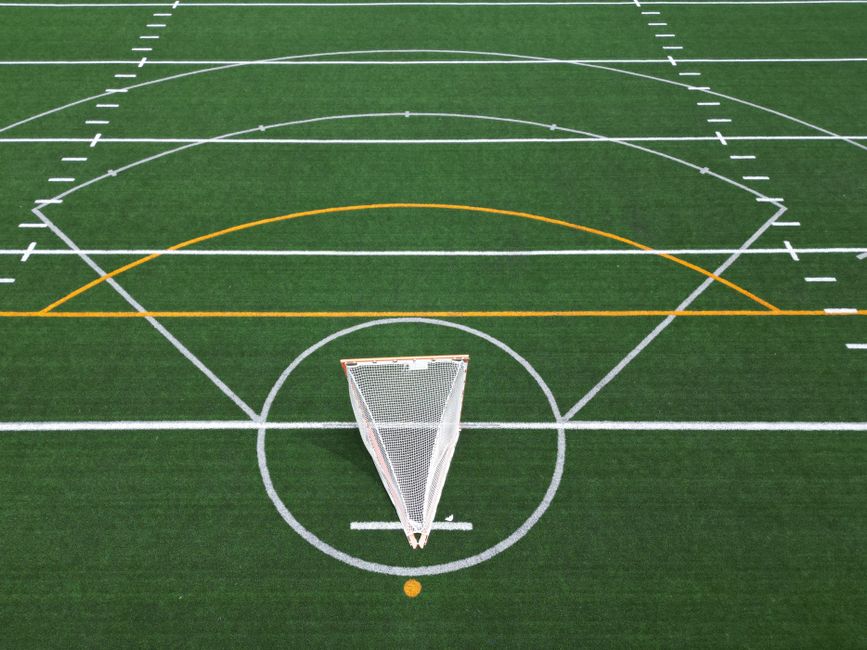
- Sports and recreation: Rooftop fitness areas, multi-use courts, and training zones require shock absorption and specific pile heights.
- Playgrounds: Schools and childcare centers must meet impact attenuation standards and use non-toxic materials.
- Commercial display: Car dealerships, model homes, and event venues want dense, uniform, visually flawless turf.
Write down your primary use case, expected daily foot traffic, and whether the area will host pets, children, or athletes. This single paragraph will guide every specification that follows.
Understand the Core Specifications
Artificial turf is described by a handful of technical terms. Knowing them lets you compare quotes fairly instead of being swayed by marketing language.
Pile Height
Pile height is the length of the grass blades, measured in millimeters or inches. Short pile (15–25 mm) looks like a manicured putting green and suits patios and display areas. Medium pile (30–40 mm) is the landscaping standard, offering a natural look with easy maintenance. Tall pile (40–60 mm) is used for sports surfaces and pet areas where extra cushioning and drainage matter.
Face Weight and Density
Face weight measures how much yarn is used per square yard or square meter. Higher face weight generally means a denser, more durable turf—but density (stitches per unit area) matters just as much. A heavy face weight with low density can still mat down under traffic. For commercial landscaping, look for at least 40–50 oz face weight; for heavy-use sports or pet areas, 60 oz and above is common.
Fiber Type
Most commercial turf uses polyethylene (PE), polypropylene (PP), or a blend. PE is soft, resilient, and ideal for high-traffic and play areas. PP is stiffer and more affordable but less forgiving underfoot. Many premium products blend PE and PP to balance comfort, durability, and cost.
Backing and Drainage
The backing holds the tufts in place and determines how quickly water passes through. Commercial installations should use a dual-layer or triple-layer backing with perforation holes rated for high drainage flow. In areas with heavy rainfall, verify the drainage rate in inches or millimeters per hour and confirm the base layer beneath the turf is designed to match.
Compare Infill Options Carefully
Infill sits between the grass blades and affects stability, cushioning, and appearance. Your choice depends on use case and local regulations.
| Infill Type | Best For | Considerations |
|---|---|---|
| Silica sand | Landscaping, low-traffic areas | Affordable, heavy, can compact over time |
| Crumb rubber | Sports fields, high-traffic zones | Excellent shock absorption; check local environmental rules |
| EPDM coated | Playgrounds, pet areas | Colorfast, non-toxic, higher cost |
| Organic (cork, walnut) | Eco-focused projects | Cooler surface, biodegradable, premium price |
| Antimicrobial | Pet facilities, veterinary clinics | Reduces odor and bacteria; essential for animal use |
Ask your supplier whether the infill is included in the quote. Infill can add 15–30% to the total project cost, and omitting it from a comparison makes cheaper bids look artificially attractive.
Evaluate Durability and Warranty
Commercial turf should carry a warranty of at least 8 years, with 10–15 years typical for quality products. Read the fine print: many warranties prorate coverage, exclude labor, or void if the turf is installed over an inadequate base. Ask specifically about UV stabilization, as fading is the most common failure point in sunny climates.
Request test data or third-party certifications where available. Reputable manufacturers publish results for:
- UV resistance (typically measured in kilolangleys or hours of accelerated weathering)
- Tuft bind strength (how firmly blades are anchored)
- Drainage rate
- Flammability and fire ratings
- Lead and heavy metal content, especially for schools and playgrounds
Don't Underestimate Installation and Base Preparation
Even the best turf will fail if the base is wrong. Commercial installations require excavation, compaction, and a crushed stone or aggregate base that is graded for drainage. Skipping this step leads to wrinkles, standing water, and uneven surfaces within months.
Key installation questions to ask any contractor:
- How will the sub-base be compacted and tested?
- What seaming method is used, and will seams be visible?
- How is edge restraint handled along curbs, planters, and buildings?
- Will the installer provide a written drainage plan?
- What is the process for repairing damage after utility work or vehicle traffic?
For large commercial projects, insist on a site visit and a detailed scope of work rather than a per-square-foot estimate alone.
Factor In Maintenance and Total Cost of Ownership
Artificial turf is low maintenance, not no maintenance. Budget for brushing, rinsing, spot cleaning, and periodic infill replenishment. Pet facilities need regular disinfecting, while high-traffic sports surfaces may require annual grooming to prevent compaction.
Compare total cost of ownership over 10 years rather than upfront price alone. Natural grass carries ongoing costs for water, mowing, fertilizer, pest control, and seasonal replanting. Artificial turf front-loads the cost but typically pays back within three to seven years depending on local water and labor rates.
Check Compliance, Safety, and Sustainability
Regulations vary by region and application. Schools and playgrounds often must meet impact attenuation standards. Some municipalities restrict certain infill materials. If your business markets itself as sustainable, look for turf with recycled content, recyclable backing, and documented end-of-life programs.
Also consider heat retention. Artificial turf can get significantly hotter than natural grass in direct sun. If your space hosts people or pets, choose lighter-colored fibers, add cooling infill, or provide shade structures.
Working With the Right Supplier
Request samples and compare them side by side under natural light. Ask for references from similar commercial projects and, if possible, visit an installation that has been in service for at least three years. A supplier who understands your specific use case will ask about traffic, drainage, climate, and budget before recommending a product—not after.
Choosing artificial turf for your company is a long-term decision that affects appearance, safety, maintenance costs, and brand perception. By defining your use case, understanding the specifications, and vetting installation and warranty terms, you can select a surface that looks great and performs reliably for a decade or more.