 English
 简体中文
简体中文 Русский
 Español
 Deutsch
Synthetic Turf Manufacturing News: Latest Industry Trends
Discover the latest synthetic turf manufacturing news, from bio-based yarns to smart factories and recycling. Stay ahead with our in-depth industry guide.
Introduction: The Synthetic Turf Industry in Motion
The artificial turf industry is no longer just about green plastic grass. Today it is a fast-moving manufacturing sector driven by polymer science, sustainability mandates, automation, and shifting consumer expectations. For facility managers, landscape contractors, sports clubs, and distributors, staying current with synthetic turf manufacturing news is no longer optional—it is a competitive advantage. This guide breaks down what is new in synthetic turf manufacturing, from raw material innovations to factory floor automation, and explains what these developments mean for buyers and specifiers.
Whether you are sourcing turf for a municipal soccer field, a residential backyard, or a commercial putting green, the manufacturing trends covered below will shape the price, performance, and lifespan of the product you buy in the next 12 to 24 months.
Material Science Breakthroughs: The New Generation of Yarns
Bio-Based and Recycled Polymers
One of the biggest stories in synthetic turf manufacturing news is the shift away from virgin, petroleum-derived polyethylene and polypropylene. Manufacturers are increasingly blending bio-based polyethylene made from sugarcane ethanol, as well as recycled post-consumer plastics, into their yarn extrusion lines. These materials reduce the carbon footprint of a turf roll without sacrificing the softness and resilience that premium landscaping turf requires.
Several European and North American factories now offer turf backing made from recycled PET bottles. A single full-size sports field can incorporate tens of thousands of reclaimed bottles, which is a powerful selling point for schools and municipalities with green procurement policies.
Dual-Fiber and Multi-Shape Yarn Technology
Yarn extrusion is where much of the innovation happens. Modern extrusion lines can produce fibers with multiple cross-sections in a single strand—diamond, C-shape, and oval profiles combined. The result is turf that looks more natural, reflects light more realistically, and resists matting better than single-profile yarns.
Manufacturers are also introducing dual-fiber systems that mix a soft, texturized fiber for skin comfort with a stiffer, resilient fiber for durability. This is especially important for playground and pet turf, where both safety and longevity matter.
Cooling and Heat-Reflective Additives
Surface temperature remains one of the most common complaints about artificial grass. New additive masterbatches incorporate infrared-reflective pigments and cooling compounds directly into the yarn during extrusion. These additives can reduce surface temperatures by several degrees compared with conventional turf, making fields safer for athletes and more comfortable for pets and children.
Manufacturing Automation and Smart Factories
Robotic Tufting and Inline Vision Systems
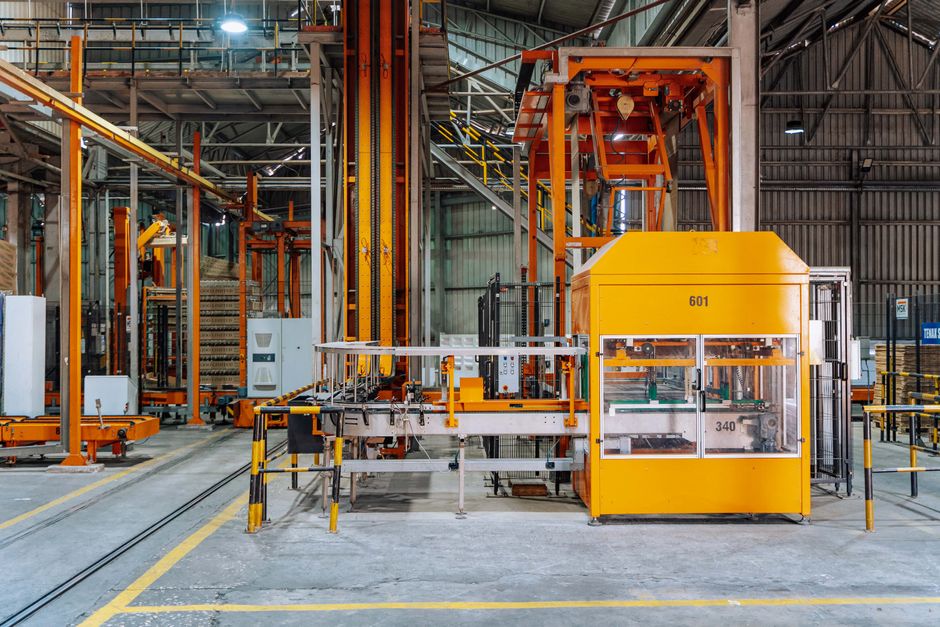
Tufting was historically a labor-intensive process with quality checks performed by eye. Today, leading factories deploy robotic tufting machines paired with inline vision systems that detect missing tufts, uneven pile height, and backing defects in real time. This reduces waste, improves consistency, and shortens lead times.
Digital Twins and Predictive Maintenance
Smart factories are using digital twin models of their extrusion and tufting lines. Sensors track temperature, tension, and throughput, and predictive maintenance algorithms flag equipment before it fails. For buyers, this translates into fewer production delays and more reliable delivery schedules—a critical factor for large sports construction projects.
Data-Driven Quality Control
Manufacturers now collect data on every roll produced, including tuft bind strength, pile height variance, and backing adhesion. This data can be shared with customers as traceability documentation, which is increasingly required in public tenders and LEED-oriented projects.
Sustainability and the Circular Economy
Recycling Infrastructure for End-of-Life Turf
The elephant in the room for decades was what happens to turf after its useful life. New manufacturing news centers on closed-loop recycling programs. Some manufacturers now take back old turf, separate the yarn from the backing, and re-extrude the polymer into new products, including backing layers and infill alternatives.
Reduced Infill and Infill-Free Systems
Infill has been a major environmental and maintenance concern, especially in sports applications. Manufacturers are developing infill-free and low-infill turf systems using engineered backing and textured yarns that provide shock absorption without loose rubber or sand. This reduces microplastic shedding and simplifies maintenance.
Water and Energy Efficiency in Production
Factories are investing in closed-loop water cooling systems and solar-powered extrusion lines. Some facilities report double-digit reductions in energy consumption per square meter of turf produced. These efficiencies help offset rising raw material costs and can be passed on to buyers.
Product Performance Innovations
Better Drainage and Permeability
New backing perforation patterns and drainage channels allow water to pass through turf up to 30% faster than older designs. This matters for regions with heavy rainfall and for fields that must remain playable after storms.
Enhanced UV and Wear Resistance
UV stabilizers and wear-resistant coatings are being formulated to extend turf lifespan beyond 15 years in high-traffic applications. Manufacturers are publishing accelerated weathering test data to back up these claims, giving specifiers more confidence.
Realistic Aesthetics and Color Retention
Multi-tone yarns, brown thatch layers, and curled fibers create a more natural appearance. New color-fast pigments resist fading from sunlight and cleaning chemicals, keeping fields and lawns looking fresh longer.
How to Evaluate New Turf Products: Practical Tips
- Ask for third-party test data: Request ASTM or equivalent results for tuft bind, pile height, and UV resistance.
- Check the material composition: Confirm the percentage of recycled or bio-based content and how it affects warranty terms.
- Review the warranty carefully: New materials may have different warranty conditions than traditional turf.
- Request samples: Compare feel, color, and backing construction before committing to a large order.
- Verify recycling options: Ask the manufacturer about end-of-life take-back programs.
- Consider total cost of ownership: A higher upfront price may be justified by longer lifespan and lower maintenance.
Market Outlook and What It Means for Buyers
Demand for artificial turf continues to grow across residential landscaping, sports facilities, and commercial spaces. Manufacturing capacity is expanding, particularly in Asia, Europe, and North America, which increases competition and gives buyers more choices. At the same time, raw material prices and shipping costs remain volatile, so locking in pricing and lead times early is wise.
| Trend | Impact on Buyers |
|---|---|
| Bio-based and recycled yarns | Greener options, potential cost premium |
| Automation and smart factories | Faster delivery, more consistent quality |
| Recycling programs | Lower disposal costs, sustainability credits |
| Infill-free systems | Less maintenance, reduced microplastics |
| Cooling additives | Safer, more comfortable surfaces |
Conclusion: Staying Ahead of the Curve
Synthetic turf manufacturing news is moving quickly, and the products available today are meaningfully different from those sold even five years ago. From bio-based polymers and smart factory automation to closed-loop recycling and infill-free systems, the industry is responding to environmental, performance, and economic pressures. For buyers and specifiers, the key is to ask the right questions, demand test data, and partner with manufacturers who can demonstrate real innovation rather than marketing claims. By staying informed, you can secure turf that performs better, lasts longer, and aligns with your sustainability goals.