
How to Maintain Hand Tools to Prevent Rust
Learn how to maintain hand tools to prevent rust with simple cleaning, coating, and storage tips. Keep your tools rust-free and ready to work. Read the guide!


Why Rust Is the Silent Enemy of Every Toolbox
Rust is the number one killer of hand tools. It doesn't announce itself with a dramatic failure; it creeps in overnight after a humid day, a forgotten damp rag, or a toolbox stored in a garage with poor ventilation. Before long, a once-smooth pair of pliers is stiff, a chisel edge is pitted, and a wrench has lost its clean finish. The good news is that rust is entirely preventable with a consistent maintenance routine that takes only minutes per month.
This guide explains exactly how rust forms on hand tools, which tools are most vulnerable, and the step-by-step methods professionals use to clean, protect, and store their tools so they last for decades.
Understanding How Rust Forms on Hand Tools
Rust is iron oxide, created when iron or steel reacts with oxygen and water. The process is electrochemical: moisture in the air forms a thin electrolyte film on the metal surface, oxygen dissolves into it, and the resulting reaction eats into the steel. Three conditions accelerate this process dramatically:
- Humidity above 60%: In coastal regions, basements, and unheated garages, airborne moisture is enough to trigger rust without any visible water.
- Salt and chemicals: Sweat from your hands contains salts that act as electrolytes, which is why fingerprints left on a tool often become rust spots.
- Temperature swings: When warm air cools rapidly on cold steel, condensation forms directly on the tool surface. This is common in sheds and workshops that are heated only part-time.
Understanding these triggers matters because every maintenance step you take is designed to break one of these links.

Which Hand Tools Are Most at Risk?
Not all tools rust at the same rate. High-carbon steel tools hold an edge beautifully but corrode quickly. Chrome-vanadium tools resist rust better but still require care. The table below shows typical vulnerability by tool type.
| Tool Type | Typical Material | Rust Risk | Priority Care |
|---|---|---|---|
| Chisels, plane irons | High-carbon steel | Very high | Oil after every use |
| Hand saws, files | Carbon steel | High | Dry and wax |
| Wrenches, sockets | Chrome vanadium | Moderate | Wipe and store dry |
| Pliers, cutters | Forged steel with joints | High at pivot | Lubricate pivot points |
| Hammers, pry bars | Forged carbon steel | Moderate | Occasional oil coat |
| Screwdrivers | Chrome-plated steel | Low to moderate | Clean tips, dry storage |
Tools with moving joints, cutting edges, or unplated surfaces deserve the most attention. A drop of oil on a pivot point prevents both rust and stiffness.
Daily Habits That Stop Rust Before It Starts
1. Wipe Tools Down After Every Use
The single most effective habit is a thirty-second wipe-down. Use a dry cotton rag to remove moisture, dust, and fingerprints. For tools used outdoors or in damp conditions, follow with a light pass of an oiled cloth. Never put a tool away wet, even if it only feels slightly cool or clammy.
2. Keep Your Hands and Tools Dry
Sweat is surprisingly corrosive. If you work with bare hands, wipe tools thoroughly afterward. In humid climates, consider wearing gloves, which also reduce skin oils transferring to metal surfaces.
3. Never Store Tools in Damp Containers
Cardboard boxes and closed plastic cases trap moisture. If a tool goes into a case, make sure both the tool and the case are completely dry, and add a desiccant packet to absorb residual humidity.
Cleaning Rust From Hand Tools Safely
If rust has already appeared, act quickly. Surface rust is easy to remove; deep pitting is permanent. Choose a method based on severity:
- Light surface rust: Apply a paste of baking soda and water, scrub with a nylon brush or fine steel wool, then rinse and dry immediately.
- Moderate rust: Soak the tool in white vinegar for 2–12 hours, scrub with a wire brush, neutralize with baking soda solution, and dry thoroughly.
- Heavy rust: Use a commercial rust remover or electrolysis for valuable tools. Avoid harsh acids on cutting edges, as they can damage the temper.
- Delicate surfaces: Use a brass brush or fine abrasive pad rather than coarse steel wool, which scratches chrome and polished finishes.
After any rust removal, the bare metal is more vulnerable than before. Always apply a protective coating immediately.
The Best Rust Prevention Coatings for Hand Tools
There is no single perfect coating; the right choice depends on how the tool is used and stored.
| Protection Method | Best For | Duration | Notes |
|---|---|---|---|
| Light machine oil | General tools, short-term | Weeks | Easy to apply, needs reapplication |
| Camellia oil | Woodworking tools, chisels | Weeks to months | Non-toxic, ideal for tools touching wood |
| Paste wax | Saws, planes, tables | Months | Dry finish, doesn't attract dust |
| Gun oil or CLP | Pliers, cutters, pivots | Months | Excellent for joints and moving parts |
| Vapor corrosion inhibitor (VCI) | Stored tools, drawers | 6–12 months | Emits protective vapor in enclosed space |
| Silica gel packs | Toolboxes, cases | 1–3 months | Absorbs moisture, replace regularly |
For long-term storage of rarely used tools, combine a thin oil coat with VCI liners or paper. This dual approach protects both the surface and the surrounding air.
Smart Storage Strategies for Rust-Free Tools
Control the Environment
Keep relative humidity below 50% if possible. A small dehumidifier in a workshop or a sealed cabinet with desiccant works wonders. Avoid storing tools directly on concrete floors, which wick moisture upward.
Use the Right Toolbox
Metal toolboxes can rust from the inside out. Wooden chests breathe and are naturally moisture-buffering, but they can also absorb dampness. The best solution is a steel cabinet with a gasket, or a plastic toolbox with desiccant packs and a breathable liner.
Hang, Don't Pile
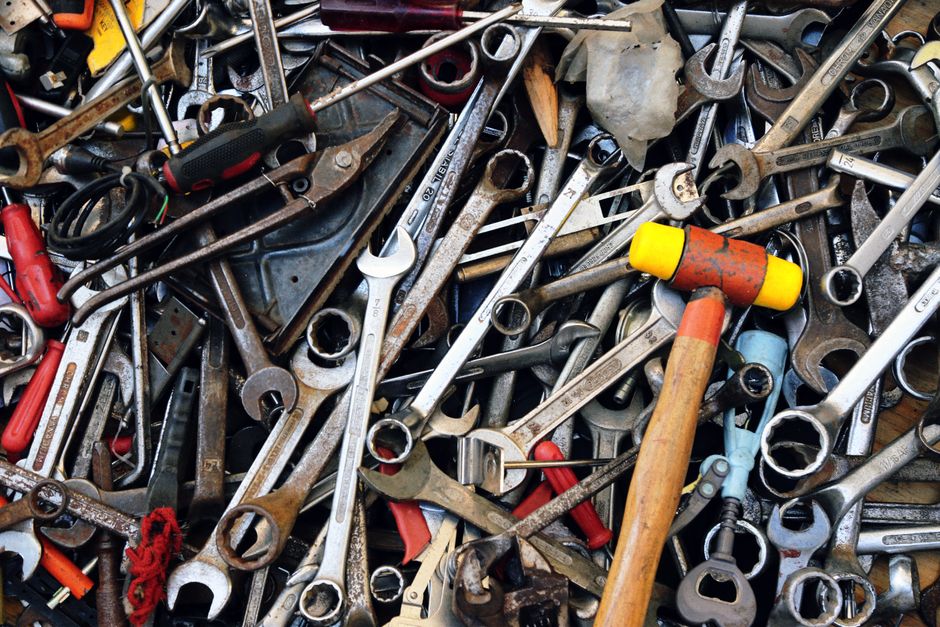
Tools tossed in a pile trap moisture between surfaces and scratch protective coatings. Pegboards, magnetic strips, and wall racks allow air circulation and make it easy to spot rust early.
Seasonal and Long-Term Maintenance Schedule
Consistency beats intensity. Follow a simple calendar:
- After each use: Wipe down, dry, and apply a light oil film to cutting edges.
- Monthly: Inspect stored tools for early rust spots, check desiccant packs, and re-oil anything that looks dry.
- Seasonally: Deep clean the toolbox, replace VCI liners, and re-wax saws and planes.
- Annually: Sharpen edges, treat pivot points with lubricant, and reassess storage conditions, especially before humid seasons.
In coastal or tropical climates, double the frequency of every step. Salt air can rust unprotected steel within days.
Emergency Rust Treatment: What to Do When You Find Rust
Discovering rust is not a disaster if you respond fast. Isolate the affected tool from the rest of your kit to prevent cross-contamination. Remove the rust using the gentlest effective method, dry the tool completely with a hair dryer or compressed air if needed, and apply a protective coating before returning it to storage. If pitting has begun, accept that the tool may need replacement for precision work, but it can still serve for rough tasks.
Final Thoughts: A Little Care Goes a Long Way
Preventing rust on hand tools is not about expensive products or complicated routines. It is about three simple principles: keep tools dry, keep them coated, and keep the storage environment under control. A few minutes of care after each project will save you hours of restoration work and hundreds of dollars in replacements. Treat your tools well, and they will reward you with reliable performance for a lifetime.
Want this program for your channel?
Send your volumes and target market. We quote with samples and lead time.