Miter Saw vs Table Saw: Which Is More Versatile?
Every woodworker eventually faces the same question: if you could only buy one large saw, should it be a miter saw or a table saw? Both are workshop staples, but they excel at very different tasks. The short answer is that a table saw is the more versatile tool overall, while a miter saw is the more specialized one for crosscuts and trim work. Let's break down exactly why, with side-by-side comparisons of what each saw can and cannot do.
What Each Saw Is Designed to Do
Miter Saw: The Crosscut Specialist
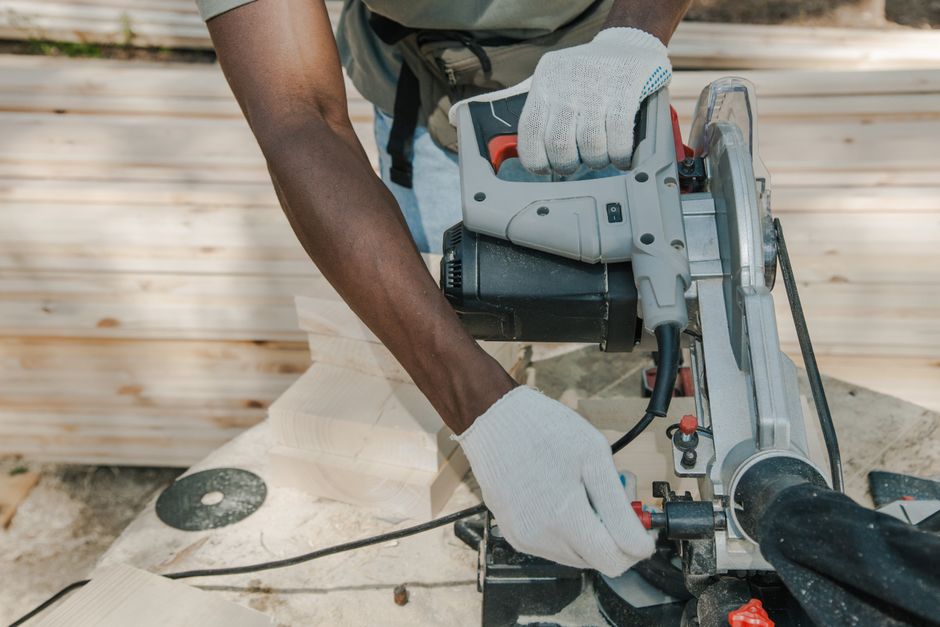
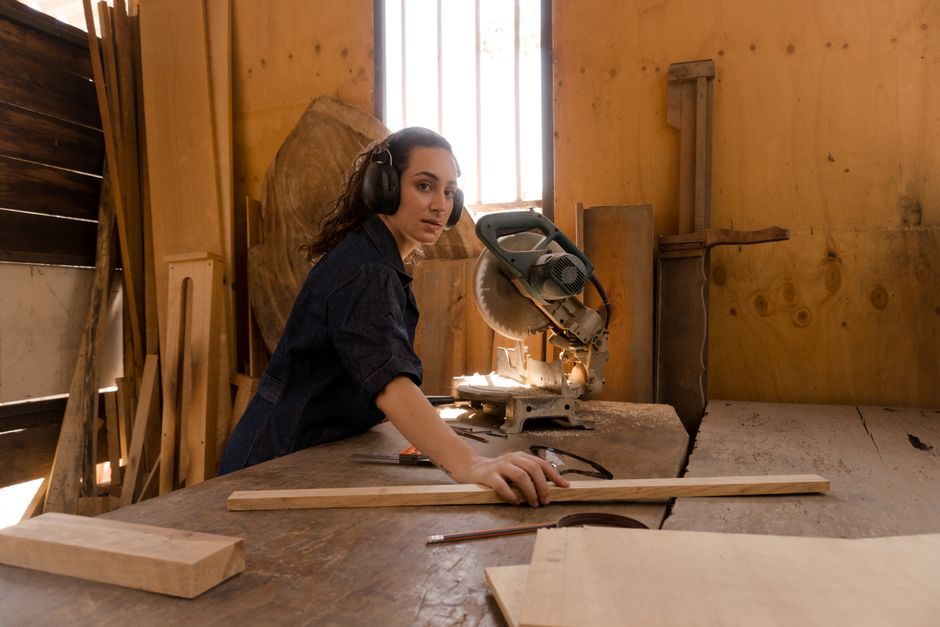
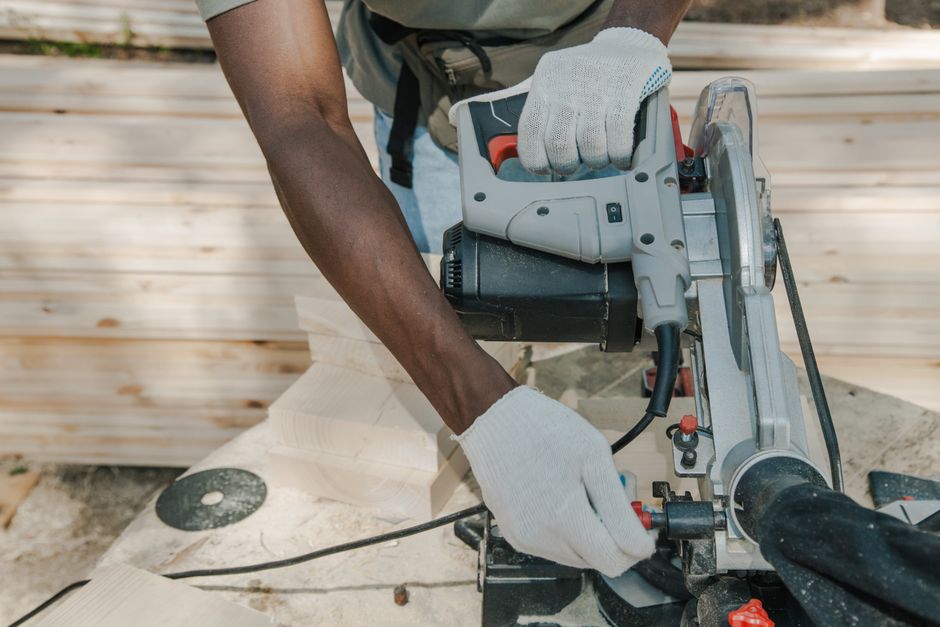
A miter saw is a stationary circular saw mounted on a pivoting arm. You place the workpiece against a fence and lower the blade to make a cut. Its native strength is cutting material to length — crosscuts, miters, and bevels. Because the blade moves and the wood stays still, it is fast, accurate, and repeatable for cutting lumber, trim, molding, and framing stock to precise angles.
Table Saw: The Ripping Workhorse
A table saw has the blade fixed in a table and the wood moves past it. This design makes it ideal for ripping boards to width, cutting sheet goods, and producing repeatable parallel cuts. With jigs and accessories, a table saw can also crosscut, cut dados, rabbets, tenons, and even cove and taper — which is why it is often called the center of a woodshop.
Head-to-Head Comparison
| Feature | Miter Saw | Table Saw |
|---|---|---|
| Primary cut type | Crosscuts, miters, bevels | Rips, sheet goods, joinery |
| Cutting to length | Excellent | Good (with sled or miter gauge) |
| Ripping boards to width | Not possible | Excellent |
| Cutting sheet goods | Very limited | Excellent |
| Angled cuts | Excellent (miter + bevel) | Good (with miter gauge or sled) |
| Joinery (dadoes, rabbets, tenons) | Very limited | Excellent |
| Portability | High — easy to move to jobsites | Low — heavy, needs a stable base |
| Repeatable accuracy | High for length cuts | High for width and parallel cuts |
| Learning curve | Low | Moderate to high |
| Typical price range | $150–$700 | $300–$2,000+ |
| Space required | Moderate (needs infeed/outfeed) | Large (needs infeed, outfeed, side clearance) |
Where the Miter Saw Wins
- Trim and finish carpentry: Cutting baseboard, crown molding, and door casing to exact angles is what a miter saw does best.
- Framing and decking: Fast, repeatable crosscuts on dimensional lumber make it indispensable on a jobsite.
- Portability: A miter saw is easy to carry to a job, set up, and use almost anywhere.
- Speed on length cuts: Once set, you can cut dozens of identical pieces in minutes.
Where the Table Saw Wins
- Ripping: No other common power tool rips boards and sheet goods as accurately or as fast.
- Sheet goods: Breaking down plywood and MDF is a table saw (or track saw) job — a miter saw simply cannot do it.
- Joinery: Dadoes, rabbets, tenons, and box joints are all routine on a table saw with the right jigs.
- Repeatable width cuts: The rip fence makes it easy to produce identical strips over and over.
Which Is More Versatile?
Versatility means how many different tasks a tool can perform well. By that definition, the table saw wins. It can crosscut (with a miter gauge or crosscut sled), miter, bevel, rip, cut sheet goods, and cut joinery. A miter saw can crosscut, miter, and bevel — but it cannot rip, cannot handle sheet goods, and cannot cut most joinery. The table saw's only real weakness is portability and the space it demands, neither of which affects its range of capabilities.
That said, "more versatile" does not always mean "the one you should buy first." If your work is trim carpentry, framing, or decking, a miter saw will earn its keep far more than a table saw. If you build furniture, cabinets, or anything from sheet goods, the table saw is the better first investment.
Recommendation
For most woodworkers who want one saw that can do the widest range of tasks, choose a table saw. It is the more versatile machine and forms the backbone of a serious workshop. Add a miter saw later when you start doing trim work or need fast, repeatable crosscuts.
Choose a miter saw first if your projects are primarily construction, remodeling, or finish carpentry, or if you need a tool you can easily transport to jobsites. For a small shop with limited space, a quality miter saw plus a circular saw and a straightedge can cover most crosscutting and sheet-goods needs.
Final Thoughts
The miter saw vs table saw debate has no single winner for everyone — it depends on the work you do. But if the question is strictly about versatility, the table saw is the clear answer. It cuts more materials, in more directions, and supports more techniques. A miter saw is a superb specialist; a table saw is a generalist that can be pushed into almost any cutting task with the right jig. Ideally, a complete shop has both — but if you must start with one, start with the table saw for versatility and add the miter saw for speed and trim work.