Few hardware debates confuse DIYers and professionals alike as much as the humble wrench versus spanner question. The truth is simpler than most people expect: in everyday practice, a wrench and a spanner are the same tool. The difference comes down to regional vocabulary, not mechanical design. In North America, people say "wrench." In the UK, Australia, New Zealand, and much of the Commonwealth, people say "spanner." This article answers the most common questions about the two terms so you can shop, order, and work with confidence.
Is a wrench the same as a spanner?
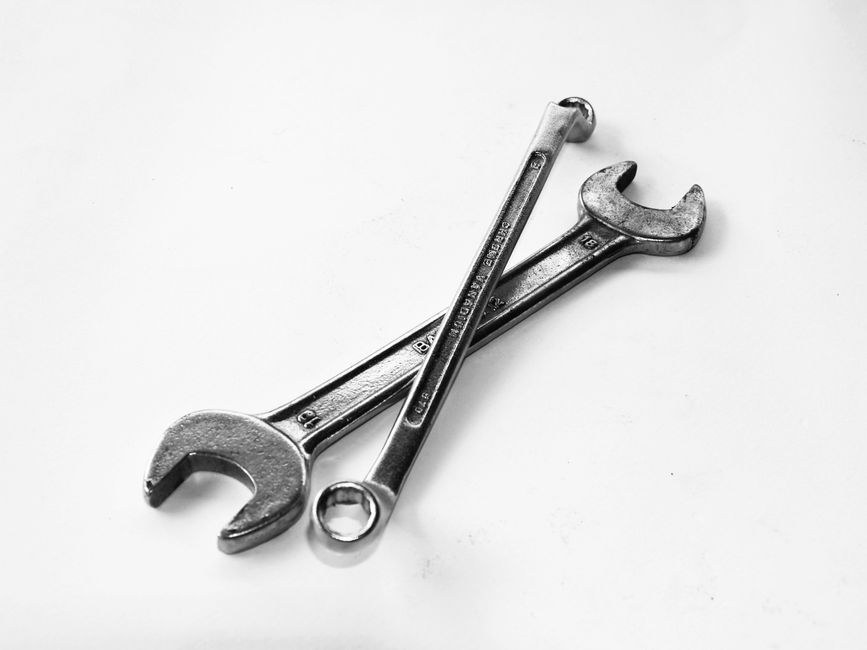
Yes, in most everyday contexts a wrench and a spanner refer to the same hand tool. Both describe a tool designed to grip and turn nuts, bolts, and other fasteners. If you walk into a hardware store in the United States and ask for a wrench, you will be handed the same object a shopper in London receives when asking for a spanner.
The confusion arises because English developed different vocabulary in different regions. American English standardized on "wrench," while British English retained "spanner," a word with Germanic roots meaning to tighten or draw together. Neither term is more correct than the other; they are simply regional preferences.
There are a few narrow technical exceptions where the two words are not interchangeable, and we cover those below. For 95 percent of conversations, however, you can treat wrench and spanner as synonyms.
Where did the two words come from?
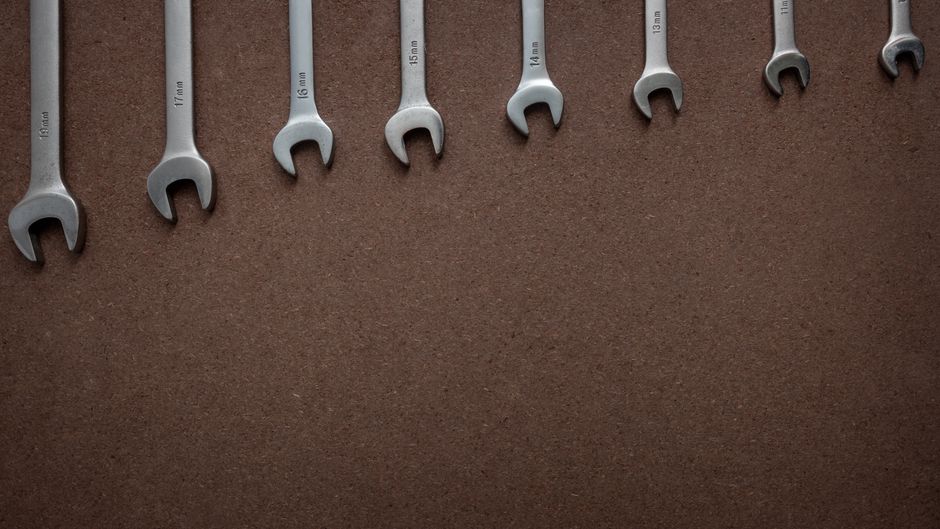
The word "wrench" comes from the Old English wrencan, meaning to twist or turn violently. It described the twisting motion the tool performs. The word "spanner" comes from the German spannen, meaning to stretch, tighten, or draw taut, which is exactly what a spanner does to a nut and bolt assembly.
Both terms entered common usage centuries ago and traveled with English speakers around the world. When American industry standardized tool catalogs in the 19th and 20th centuries, "wrench" became the default term in the United States. British manufacturers and tradespeople kept "spanner," and that usage spread across the Commonwealth.
Today, global tool manufacturers often print both words on packaging or use "wrench" as the primary term for international markets, which adds to the confusion for new buyers.
What are the main types of wrenches and spanners?
Regardless of what you call them, these tools come in several common configurations. Each is designed for a specific task, access angle, or torque requirement.
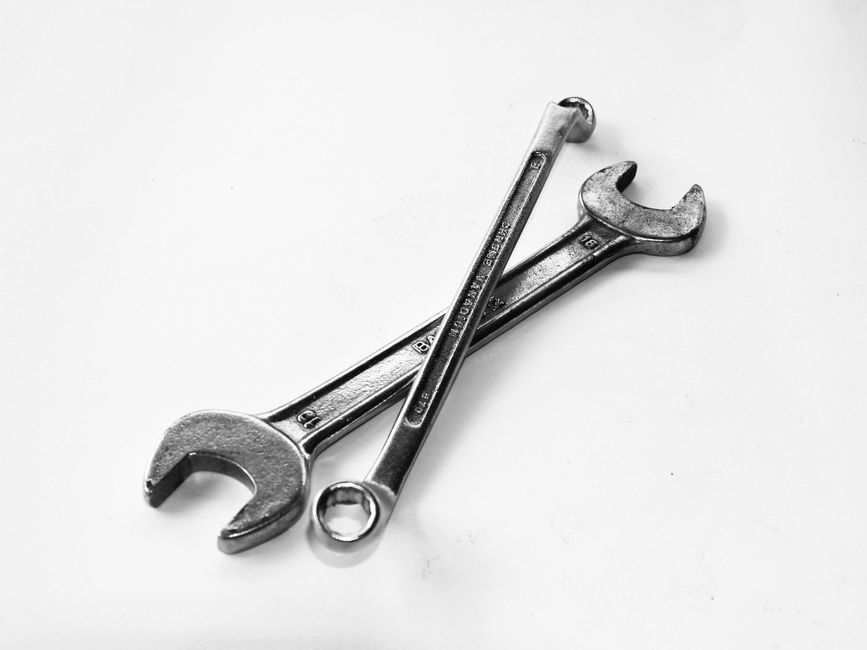
- Open-end wrench/spanner: A U-shaped jaw that grips two parallel sides of a fastener. Fast to use but prone to slipping under heavy load.
- Box-end wrench/spanner: A closed ring with 6 or 12 points that fully surrounds the nut, reducing the risk of rounding it off.
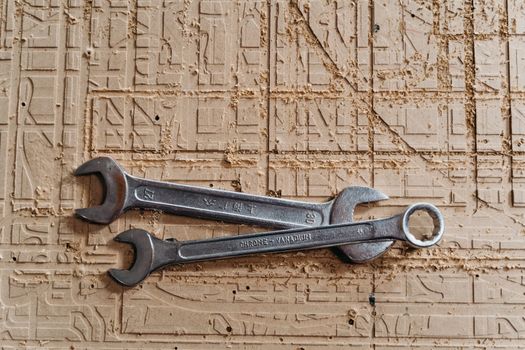
- Combination wrench/spanner: One open end and one box end on the same handle, the most common style sold today.
- Adjustable wrench/spanner: A movable jaw that fits a range of nut sizes. Also called a crescent wrench in the US.
- Socket wrench: A handle with interchangeable sockets, ideal for tight spaces and high torque.
- Torque wrench: A calibrated tool that measures and limits the force applied to a fastener.
- Pipe wrench: A toothed, self-tightening jaw for gripping and turning pipes.
- Allen wrench/hex key: An L-shaped tool for hexagonal socket screws.
Notice that each name works with either "wrench" or "spanner" depending on where you live. A combination wrench in Chicago is a combination spanner in Manchester.
When are the terms NOT interchangeable?
There are a few specialized cases where the words carry distinct meanings. In British English, a "spanner" can sometimes mean a tool for adjusting machinery, such as a valve spanner or a gland spanner, while "wrench" is reserved for tools that grip and turn fasteners.
In American English, "spanner" is occasionally used for a pin spanner or a C-spanner, a tool with pins that engage holes in a circular nut. Most Americans would call that a spanner wrench, blending both traditions.
In automotive and industrial catalogs, you may also see "spanner" used for a tensioning tool on a belt or chain, which is not a fastener tool at all. These niche uses are the exception, not the rule.
Which term should I use when shopping online?
If you are shopping on a global marketplace, search for both terms. A listing titled "combination spanner set" may not appear in results for "combination wrench set," even though the products are identical. Searching both doubles your options and helps you compare prices across regions.
Check the product specifications rather than the title. The key details are the drive size, the across-flats measurement, the material, and the finish. A 10 mm combination wrench and a 10 mm combination spanner are the same 10 mm tool.
When in doubt, look at the product photo. If it has a jaw that grips a hex fastener, it is the tool you need, whatever the listing calls it.
Does the measurement system matter more than the name?
Yes. The name of the tool matters far less than its size standard. Wrenches and spanners are sold in metric and imperial (SAE) sizes, and mixing them up is the fastest way to round off a bolt head.
| System | Common Sizes | Typical Use |
|---|---|---|
| Metric | 8 mm, 10 mm, 13 mm, 17 mm | European, Japanese, and most modern vehicles |
| Imperial (SAE) | 1/4", 3/8", 7/16", 1/2" | Older American vehicles and equipment |
Always confirm whether your fastener is metric or imperial before choosing a tool. A 13 mm wrench will feel loose on a 1/2-inch bolt and can slip under load, damaging the fastener and your knuckles.
Are there quality differences between wrenches and spanners?
No. Quality depends on the manufacturer and the material, not the regional name. Look for chrome vanadium steel, a polished or satin chrome finish, and a clearly marked size on every tool. These features indicate a tool built to last.
Cheap tools are often made from lower-grade steel and may bend or crack under heavy torque. For professional use, invest in a reputable brand and check the warranty. Many premium brands offer a lifetime guarantee on hand tools.
Ergonomics also matter. A comfortable handle reduces fatigue during long jobs, and an offset head improves access in tight spaces. Test the tool in your hand before committing to a full set.
What is the best wrench or spanner for a beginner?
A combination wrench set in both metric and imperial sizes covers the widest range of tasks for a beginner. Add an adjustable wrench for odd sizes and a socket set for high-torque jobs like automotive repairs.
Start with a mid-range set from a known brand rather than the cheapest option. You will replace a bargain set quickly, which costs more in the long run. A quality set can last a lifetime with basic care.
Keep your tools clean and dry, store them in a roll or tray, and never use a wrench as a hammer. Treated well, a good set of wrenches, or spanners, will handle almost any fastener you encounter.
Frequently Asked Questions
Do British people say wrench?
Rarely. In the UK, "spanner" is the standard term for a fastener tool. "Wrench" appears mainly in imported product names or in phrases like "monkey wrench."
Is a spanner always a wrench?
In everyday usage, yes. Only a few niche tools, such as belt tensioners, use "spanner" without being fastener tools.
What is a crescent wrench called in the UK?
It is usually called an adjustable spanner. The brand name Crescent became generic in the US, but the UK kept the descriptive term.
Can I use a spanner on a bolt?
Yes. A spanner is designed to turn nuts and bolts, just like a wrench. Choose the correct size and type for the fastener.