 English
 简体中文
简体中文 Русский
 Español
 Deutsch
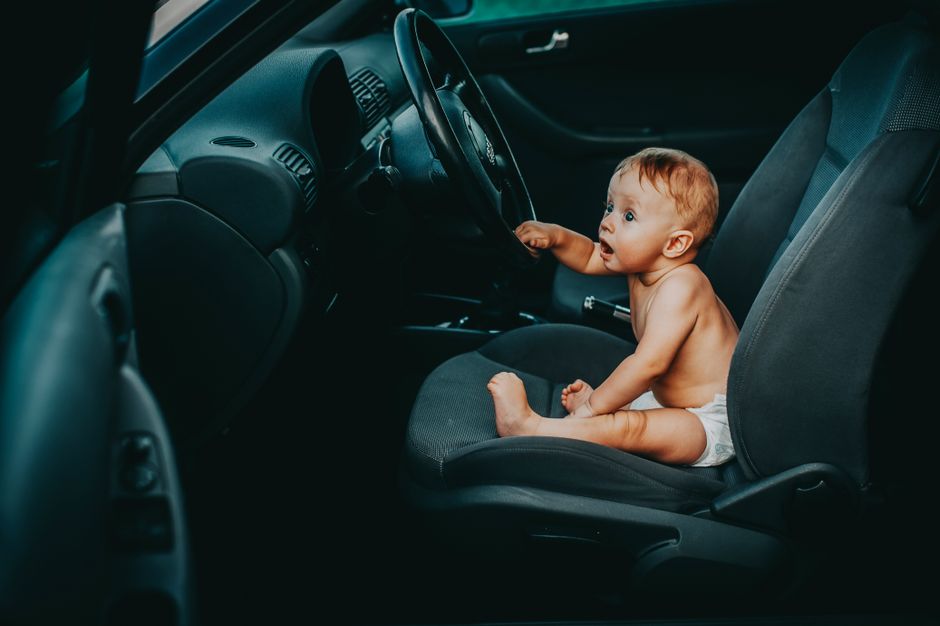
Why Car Air Quality Matters for Babies
Babies have delicate respiratory systems that are still developing. Their lungs are smaller, their breathing rate is faster, and their immune defenses are weaker than those of adults. That means the air inside your car—often a small, enclosed space—can have a bigger impact on an infant than you might expect.
According to the Environmental Protection Agency (EPA), indoor air can be two to five times more polluted than outdoor air. A vehicle cabin is no exception. Exhaust fumes, pollen, dust, mold spores, pet dander, and volatile organic compounds (VOCs) from plastics and upholstery can all accumulate inside a car. For a baby strapped into a car seat, that cocktail of pollutants is worth taking seriously.
A car air purifier is a small device that filters or cleans the air inside your vehicle. But not every purifier is suitable for use around infants. This guide explains what to look for, which features matter most, and how to choose a safe, effective model for your family.
How Car Air Purifiers Work
Most car air purifiers use one or more of the following technologies:
- HEPA filtration: High-efficiency particulate air filters capture 99.97% of particles as small as 0.3 microns, including dust, pollen, smoke, and pet dander. This is the gold standard for particle removal.
- Activated carbon: Carbon filters absorb odors, exhaust fumes, and many VOCs. They work best when paired with HEPA.
- Ionizers: These release charged ions that attach to particles, causing them to clump and fall out of the air. Some ionizers produce trace amounts of ozone, which is a lung irritant.
- UV-C light: Ultraviolet light can neutralize bacteria and viruses. It does not remove particles or gases on its own.
- Photocatalytic oxidation (PCO): This combines UV light with a catalyst to break down pollutants. Some PCO devices can produce ozone as a byproduct.
For a baby's environment, HEPA plus activated carbon is the safest and most reliable combination. Ionizers and PCO devices should be chosen carefully, and any unit that produces ozone should be avoided.
Safety Considerations for Babies
1. Ozone Emissions
Ozone is a known respiratory irritant. Even low levels can trigger coughing, wheezing, and shortness of breath, especially in infants. The California Air Resources Board (CARB) certifies air purifiers that meet strict ozone limits. Look for a CARB certification when shopping for a car purifier.
2. Noise Levels
Babies sleep a lot in the car, and a loud purifier can disturb them. Look for a model rated under 40 decibels (dB) on its lowest setting. Some purifiers offer a sleep mode that reduces fan speed and noise.
3. Placement and Installation
Never place a purifier where it could become a projectile in a crash. Avoid attaching heavy units to the dashboard or hanging them near the baby's car seat. The safest options sit in a cup holder, attach securely to a seat back, or tuck into a door pocket. Cords should be routed away from the car seat and never across an airbag deployment zone.
4. Power Source
Choose a purifier that plugs into a 12V accessory socket or uses a USB connection with a safe, low-voltage adapter. Avoid devices with exposed wiring or cheap lithium batteries that could overheat in a hot car.
5. Filter Maintenance
A dirty filter can become a breeding ground for mold and bacteria, making air quality worse. Check and replace filters according to the manufacturer's schedule, and clean pre-filters regularly.
6. No Aromatherapy or Fragrance
Some purifiers include essential oil diffusers. Fragrances and essential oils can irritate a baby's airways and are not recommended for infant environments. Choose a fragrance-free model.
Features to Look For
| Feature | Why It Matters |
|---|---|
| True HEPA filter | Captures fine particles that can reach deep into a baby's lungs |
| Activated carbon layer | Reduces exhaust fumes, odors, and VOCs |
| CARB certification | Confirms low ozone emissions |
| Quiet operation (under 40 dB) | Won't wake a sleeping baby |
| Compact, secure design | Reduces risk of injury in a crash |
| Easy filter replacement | Encourages consistent maintenance |
| Auto mode or air quality sensor | Adjusts fan speed automatically, saving power |
Top Picks for Baby-Friendly Car Air Purifiers
The following categories represent the types of purifiers that tend to work best for families with infants. Specific model availability changes over time, so use these as a buying framework.
Best Overall: HEPA + Carbon Cup-Holder Purifier
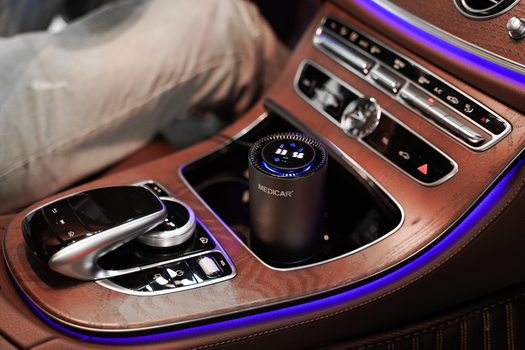
A compact unit that fits in a cup holder and combines a true HEPA filter with an activated carbon layer is the most practical choice for most parents. It removes particles and odors, runs quietly, and stays secure while driving. Look for a model with a washable pre-filter and a low-speed setting under 35 dB.
Best for Long Trips: USB-Powered Desktop-Style Purifier
If you frequently take road trips, a slightly larger purifier with a higher clean air delivery rate (CADR) can keep up with the cabin volume. Choose a USB-powered model with a long cord and a stable base, and place it in a secure console area.
Best Budget Option: Basic HEPA Purifier
You don't need to spend a lot to get meaningful filtration. A simple HEPA-only purifier with a 12V plug can reduce dust and pollen at an affordable price. Skip extra features like ionizers or fragrance diffusers.
Best for Allergy-Prone Families: HEPA + Carbon + Pre-Filter
If your baby has a family history of allergies or asthma, a three-stage filtration system offers the most comprehensive protection. The pre-filter catches larger debris, HEPA captures fine particles, and carbon absorbs gases and odors.
Practical Tips for Cleaner Cabin Air
- Ventilate before you drive: Open the windows for a minute to flush out stale air and fumes before starting the trip.
- Use recirculation wisely: In heavy traffic, set your car's ventilation to recirculate to reduce intake of exhaust. Switch back to fresh air on open roads.
- Replace cabin air filter: Your car's built-in cabin filter does a lot of work. Replace it every 12,000 to 15,000 miles, or more often in dusty areas.
- Keep the car clean: Vacuum seats and carpets regularly to reduce dust and allergens that purifiers must then remove.
- Avoid idling: Don't let the engine idle with a baby inside. Exhaust can enter the cabin.
- Pre-warm or pre-cool: Extreme heat can release VOCs from plastics and upholstery. Ventilate before placing your baby in the car.
- Check for recalls: Verify that your chosen purifier has not been recalled for safety issues.
Common Mistakes to Avoid
Many parents buy a purifier without checking ozone output, noise level, or filter type. Others place the device loosely on the dashboard, where it can become a hazard. Some forget to replace filters, which turns the purifier into a source of pollution. And a few choose models with built-in fragrances, which can irritate a baby's lungs.
Taking a few minutes to compare specifications can prevent these problems. Prioritize safety certifications, filtration quality, and secure installation over flashy extras.
Frequently Asked Questions
Are car air purifiers safe for newborns?
Yes, when they use HEPA and carbon filtration, are CARB-certified for low ozone, and are installed securely. Avoid ionizers that produce ozone and any device with fragrance.
Do I really need a car air purifier if my car has a cabin filter?
A cabin filter helps, but it only filters air passing through the HVAC system. A dedicated purifier continuously circulates and cleans cabin air, which is especially useful in traffic or areas with high pollen.
How often should I replace the filter?
Most manufacturers recommend every three to six months, depending on use and air quality. Check the filter monthly and replace it sooner if it looks gray or smells musty.
Can I use a home air purifier in the car?
It's possible with an inverter, but home units are bulky and can become dangerous projectiles. A purpose-built car purifier is safer and more efficient.
Final Thoughts
Clean air in the car is a simple but meaningful way to protect your baby's developing lungs. Focus on true HEPA filtration, activated carbon, low ozone emissions, quiet operation, and secure placement. With the right purifier and a few smart habits, you can make every drive a little safer and more comfortable for your little one.
Tell us the channel and volume — we reply with models, prices and sample options.