 English
 简体中文
简体中文 Русский
 Español
 Deutsch

Does a Car Air Purifier Help With Mold and Mildew?
If you have ever noticed a musty, earthy smell every time you start your car, mold and mildew are likely the culprits. These fungi thrive in dark, damp, and poorly ventilated spaces — exactly the conditions found inside many vehicle cabins. A car air purifier can be a valuable part of your defense strategy, but its effectiveness depends on the type of purifier, the severity of the infestation, and whether you address the underlying moisture problem. Below, we answer the most common questions drivers ask about using air purifiers to fight mold and mildew in their cars.
What Causes Mold and Mildew in a Car?
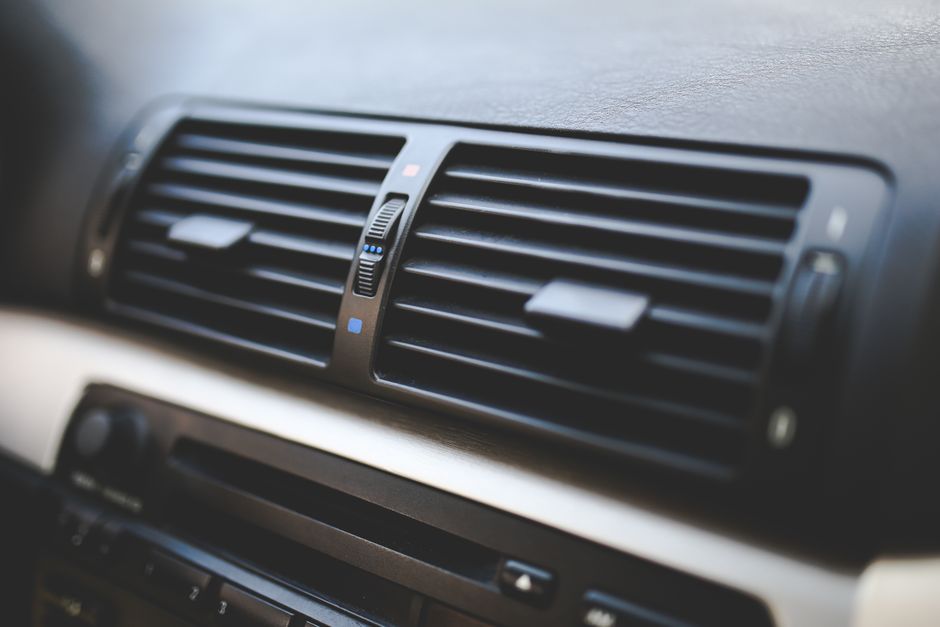
Mold and mildew need three things to grow: moisture, organic material, and darkness. In a car, moisture comes from a variety of sources — humid air entering through the vents, wet umbrellas or gym clothes left on seats, spilled drinks that soak into carpet, condensation from air conditioning systems, and even small leaks around windows or sunroofs. Organic material includes dust, skin flakes, fabric fibers, and the foam and upholstery itself. The dark, enclosed cabin provides the perfect environment for spores to settle and multiply.
Mildew is typically the early, powdery stage of mold growth, often white or gray, while mold can appear black, green, or brown. Both release microscopic spores into the air that can trigger allergies, asthma attacks, headaches, and respiratory irritation. Because the cabin is small and enclosed, even a modest amount of mold can significantly degrade air quality.
How Does a Car Air Purifier Work?
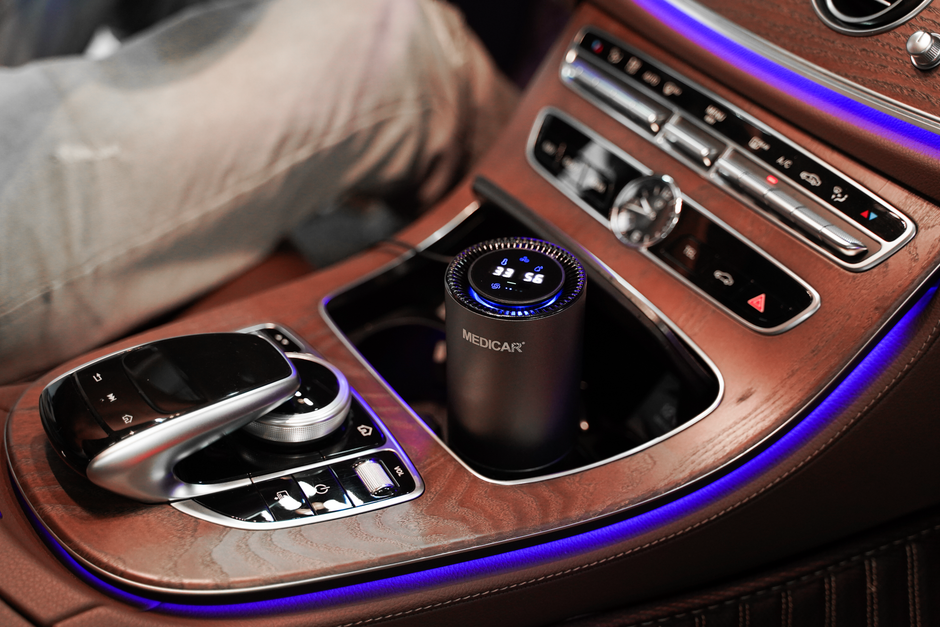
Car air purifiers use one or more filtration technologies to clean the air inside your vehicle. The most common types include HEPA filters, activated carbon filters, ionizers, UV-C lights, and photocatalytic oxidation systems. HEPA filters physically trap particles as small as 0.3 microns, which includes many mold spores. Activated carbon absorbs odors and volatile organic compounds (VOCs) that contribute to the musty smell. Ionizers charge particles so they clump together and fall out of the air or get captured by a filter. UV-C light can neutralize the DNA of mold spores and bacteria, preventing them from reproducing.
Most quality purifiers combine two or more of these technologies. A HEPA plus activated carbon unit, for example, will both capture spores and remove the odors they produce. Understanding which technology your purifier uses is essential, because not all purifiers are equally effective against mold.
Can a Car Air Purifier Actually Remove Mold Spores From the Air?
Yes — a purifier equipped with a true HEPA filter can capture a significant percentage of airborne mold spores. HEPA filters are rated to remove 99.97% of particles at 0.3 microns, and mold spores typically range from 1 to 20 microns, making them relatively easy for a HEPA filter to trap. This reduces the number of spores you inhale while driving, which can ease allergy and asthma symptoms.
However, it is important to understand the limitation: a purifier cleans the air, not the surfaces. Mold growing on your seats, carpet, dashboard, or ventilation ducts will continue to release new spores. The purifier will keep capturing them, but it cannot eliminate the colony itself. Think of it as a continuous cleanup crew rather than a mold removal service. For best results, you must combine air purification with physical cleaning and moisture control.
Does a Car Air Purifier Eliminate Mold Odors?
Mold odors come from microbial volatile organic compounds (MVOCs) released as mold metabolizes organic matter. These gases are what give a moldy car that distinctive damp, musty smell. Activated carbon filters are highly effective at adsorbing these odor molecules, and some advanced purifiers also use photocatalytic oxidation to break them down chemically.
A purifier with a substantial carbon filter can noticeably reduce musty odors within hours of continuous use. That said, if the smell returns quickly after you turn the purifier off, it is a sign that active mold growth is still present somewhere in the cabin. Odor removal is a helpful symptom treatment, but it should prompt you to find and fix the source.
What Type of Car Air Purifier Is Best for Mold and Mildew?
For mold and mildew specifically, look for a purifier that combines a true HEPA filter with a thick activated carbon layer. HEPA captures the spores; carbon neutralizes the odors. If you want an extra layer of protection, choose a model that also includes UV-C sterilization or a photocatalytic filter, which can deactivate spores and bacteria rather than just trapping them.
Avoid purifiers that rely solely on ionizers or ozone generators. Ionizers can reduce airborne particles but often produce little to no odor removal, and ozone generators can irritate your lungs and are not recommended for use in enclosed spaces. Also check the clean air delivery rate (CADR) and ensure the unit is appropriately sized for your cabin volume — a tiny USB purifier will struggle to clean the air in a large SUV.
How Long Does It Take for a Car Air Purifier to Work?
You may notice a reduction in musty odor within 30 to 60 minutes of running a good purifier on its highest setting. However, achieving a meaningful reduction in airborne spore counts takes longer — typically several hours to a few days of continuous operation, depending on the severity of the problem and the size of the cabin.
For ongoing maintenance, run the purifier whenever you drive, and consider leaving it on for a while after you park if it has a battery or can be plugged into a power bank. Consistent use is far more effective than occasional bursts. Remember that the purifier is working against a continuous source, so results improve dramatically once you have cleaned the mold from surfaces and ducts.
Will a Car Air Purifier Prevent Mold From Coming Back?
An air purifier alone will not prevent mold from returning if moisture remains. Mold prevention requires controlling humidity. Fix any leaks, dry wet carpets and upholstery promptly, run your air conditioning in recirculation mode to dehumidify, and consider using a moisture absorber or dehumidifier bag in the cabin. Keeping the interior clean and dust-free also removes the organic food source mold needs.
Once moisture is under control and existing mold has been physically removed, a car air purifier becomes a powerful preventive tool. By continuously filtering spores out of the air, it reduces the chance that new colonies will establish themselves on damp surfaces. Used as part of a complete maintenance routine, it can help keep your cabin fresh and healthy for the long term.
Do I Still Need to Clean Mold From Surfaces Manually?
Absolutely. No air purifier can remove mold that is already growing on fabric, plastic, or leather. You must physically clean affected areas with an appropriate mold cleaner, white vinegar solution, or a professional-grade antimicrobial product. Pay special attention to the air conditioning vents and evaporator core, which are common hidden mold hotspots.
If the infestation is extensive — for example, mold throughout the carpet, seats, and HVAC system — professional detailing or remediation may be necessary. After cleaning, run your air purifier continuously to capture any spores disturbed during the cleaning process and to help prevent regrowth.
Frequently Asked Questions at a Glance
| Question | Short Answer |
|---|---|
| Do air purifiers kill mold? | They capture spores but do not kill mold on surfaces. |
| Can they remove musty odors? | Yes, if they have an activated carbon filter. |
| Best filter type for mold? | True HEPA plus activated carbon. |
| How long to see results? | Odor: under an hour. Spores: several hours to days. |
| Do they prevent mold regrowth? | Only if moisture is also controlled. |
Conclusion
A car air purifier is a genuinely helpful tool in the fight against mold and mildew — but it is not a magic bullet. It excels at capturing airborne spores and eliminating musty odors, which improves the air you breathe and the comfort of your drive. However, it cannot remove mold growing on surfaces or fix the moisture problems that allow mold to thrive in the first place. The winning strategy is a three-part approach: eliminate moisture, physically clean existing mold, and run a quality HEPA and carbon purifier to keep the air clean. Do all three, and you can enjoy a fresher, healthier cabin all year round.
Tell us the channel and volume — we reply with models, prices and sample options.