 English
 简体中文
简体中文 Русский
 Español
 Deutsch

Why Rental Cars Need a Portable Air Purifier
Rental cars are a convenient solution for travelers, business trips, and temporary transportation needs. But have you ever thought about the air quality inside a vehicle that dozens—or even hundreds—of people have driven before you? From lingering odors to airborne allergens and potentially harmful particles, the cabin of a rental car can be a hidden source of discomfort. A portable car air purifier is the perfect accessory for anyone who rents a vehicle, offering a simple, effective way to breathe cleaner air wherever the road takes you.
In this comprehensive guide, we'll explore why rental cars are particularly prone to poor air quality, how portable purifiers work, what features to look for, and practical tips for using one on your next trip. Whether you're a frequent business traveler or a family heading out on vacation, you'll discover how a small device can make a big difference in your driving experience.
The Hidden Air Quality Challenges of Rental Cars
Rental cars are shared spaces. Unlike your personal vehicle, you have no control over who drove it before you or how well it was maintained. Here are the most common air quality issues you might encounter:
- Residual odors: Smoke, food, pets, and strong fragrances from previous renters can linger in upholstery, carpets, and air vents for weeks.
- Allergens: Dust mites, pollen, and pet dander accumulate in the cabin, especially if the car isn't thoroughly cleaned between rentals.
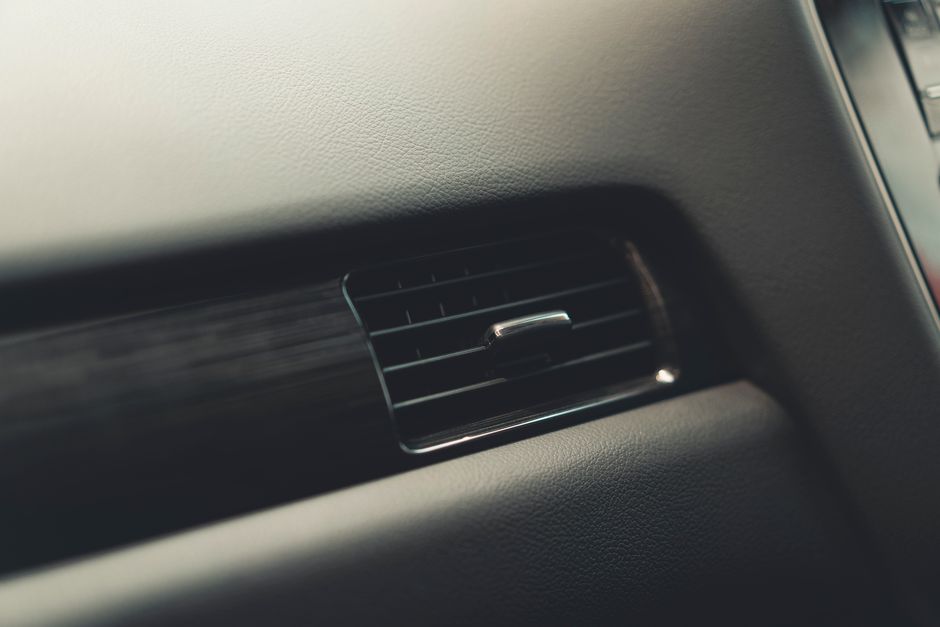
- Airborne particles: Dust, soot, and particulate matter (PM2.5) from traffic and the environment can enter through the ventilation system.
- Volatile organic compounds (VOCs): Newer rental cars may off-gas chemicals from plastics, adhesives, and upholstery, which can cause headaches or irritation.
- Bacteria and mold: Moisture in the air conditioning system can promote mold growth, leading to musty smells and potential health issues.
While rental agencies do their best to clean vehicles between customers, deep cleaning of the HVAC system and upholstery is not always part of the standard turnaround. That's where a portable air purifier becomes invaluable—it gives you immediate control over the air you breathe.
How Portable Car Air Purifiers Work
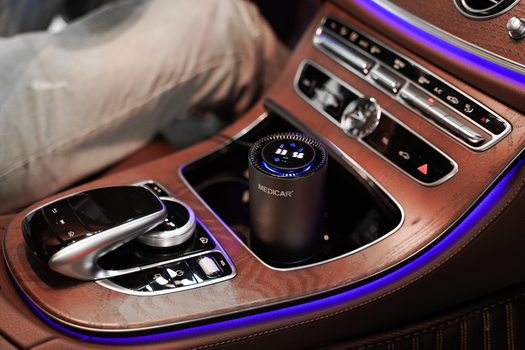
Portable car air purifiers are compact devices that plug into your car's 12V outlet (cigarette lighter) or USB port. They draw in air, pass it through one or more filtration stages, and release cleaner air back into the cabin. Most models use a combination of the following technologies:
| Technology | What It Does |
|---|---|
| HEPA Filter | Captures 99.97% of particles as small as 0.3 microns, including dust, pollen, and smoke. |
| Activated Carbon Filter | Absorbs odors, VOCs, and harmful gases. |
| Ionizer | Releases negative ions that attach to particles, making them heavy enough to fall out of the air. |
| UV-C Light | Kills bacteria and viruses by disrupting their DNA. |
| Photocatalytic Oxidation (PCO) | Uses UV light and a catalyst to break down pollutants into harmless compounds. |
The best portable purifiers combine multiple technologies for comprehensive air cleaning. For rental car use, a HEPA + activated carbon combination is often sufficient to tackle both particles and odors.
Key Benefits for Rental Car Users
Why should you pack a portable air purifier along with your luggage? Here are the standout benefits:
1. Immediate Odor Elimination
That lingering smell of stale fast food or cigarette smoke can ruin your driving experience. A purifier with an activated carbon filter can neutralize odors within minutes, making the car feel fresh and clean.
2. Allergy and Asthma Relief
If you suffer from allergies or asthma, you know how quickly dust and pollen can trigger symptoms. A HEPA-equipped purifier removes these triggers, allowing you to breathe easier on the road.
3. Protection from Germs
Rental cars are high-touch, high-traffic environments. A purifier with UV-C or ionization can help reduce bacteria and viruses in the air, adding a layer of protection for you and your passengers.
4. Peace of Mind
Knowing you're breathing cleaner air can reduce stress and make your journey more enjoyable. It's a small investment in your health and comfort.
5. Portability and Convenience
Portable purifiers are designed to be moved easily from one vehicle to another. You can take it with you on every rental, ensuring consistent air quality no matter what car you drive.
How to Choose the Right Portable Air Purifier for Rental Cars
Not all portable air purifiers are created equal. When selecting one for rental car use, consider these factors:
- Size and Weight: Look for a compact, lightweight model that won't clutter your car's interior or take up luggage space.
- Power Source: Most plug into a 12V outlet or USB port. Ensure it's compatible with the rental car's power options.
- Filtration Type: A HEPA filter is a must for particle removal. Activated carbon is essential for odors. UV-C or ionization adds extra germ-fighting power.
- Noise Level: You don't want a loud device distracting you while driving. Look for models with quiet operation (under 50 dB).
- Filter Replacement: Check how often filters need replacing and whether they're easy to find and afford.
- Coverage Area: Ensure the purifier is powerful enough for the size of a typical car cabin (around 100-150 square feet).
- Build Quality: A durable device will survive being tossed in a suitcase and moved between cars.
Some purifiers also come with additional features like a built-in USB charging port, adjustable fan speeds, or a night light. Choose based on your personal preferences and budget.
Practical Tips for Using a Portable Air Purifier in a Rental Car
To get the most out of your portable purifier, follow these practical tips:
- Start early: Plug in the purifier as soon as you get in the car and let it run for at least 10-15 minutes before you start driving. This gives it time to clean the air.
- Position matters: Place the purifier near the center console or on the dashboard for optimal air circulation. Avoid blocking its intake or exhaust vents.
- Use recirculation mode: Set your car's AC to recirculate to keep outside pollutants from entering while the purifier works.
- Clean the car first: If possible, give the interior a quick wipe-down with disinfecting wipes before running the purifier. This removes surface contaminants that could become airborne.
- Check the filter: Before your trip, inspect the purifier's filter and replace it if it's dirty. A clogged filter reduces efficiency.
- Run it continuously: Keep the purifier running for the entire duration of your rental. Most models are designed for continuous use.
- Don't forget the trunk: If you're transporting pets or smelly items, consider placing a second purifier in the trunk or cargo area.
Common Mistakes to Avoid
Even with a good purifier, some mistakes can undermine its effectiveness:
- Buying an ionizer-only purifier: Ionizers alone don't remove particles; they just make them settle. Without a filter, those particles can be stirred up again.
- Ignoring filter maintenance: A dirty filter is a breeding ground for bacteria and reduces airflow. Follow the manufacturer's replacement schedule.
- Expecting miracles: A portable purifier is not a substitute for professional cleaning. If the car smells strongly of smoke, it may need ozone treatment or deep cleaning.
- Using a home purifier in the car: Home units are too large and require AC power. They're not designed for vehicle use.
- Forgetting to unplug: Always unplug the purifier when you leave the car to avoid draining the battery.
Top Features to Look For in 2025
As technology advances, portable car air purifiers are becoming smarter and more efficient. Here are some features to consider for your next purchase:
- Smart sensors: Some models automatically adjust fan speed based on real-time air quality readings.
- App connectivity: Control your purifier from your smartphone, set schedules, and monitor filter life.
- HEPA H13 or H14: Higher-grade HEPA filters capture even finer particles.
- Quiet mode: For night driving or when you have sleeping passengers.
- Energy efficiency: Low power consumption means less strain on your car's battery.
While these advanced features come at a higher price, they can be worth it for frequent travelers who prioritize convenience and performance.
Frequently Asked Questions
Can I use a portable air purifier in any rental car?
Yes, as long as the car has a 12V outlet or USB port. Most modern rental cars have at least one of these. If not, you can use a portable power bank with a USB adapter.
How long does it take to see results?
You'll notice a difference in odor within 10-20 minutes. For particle reduction, it may take longer depending on the size of the cabin and the purifier's CADR (Clean Air Delivery Rate).
Are portable car air purifiers noisy?
Most quality models operate at a noise level between 30-50 dB, which is similar to a quiet conversation. Some have a sleep mode that's even quieter.
Do I need to clean the purifier itself?
Yes, regularly wipe down the exterior and clean or replace the filter as recommended. This ensures optimal performance and longevity.
Can a portable purifier remove viruses?
Some models with UV-C light or HEPA filters can capture or kill certain viruses, but no purifier can guarantee 100% protection. They should be used as part of a broader hygiene strategy.
Conclusion: Breathe Easy on Your Next Rental
Renting a car doesn't mean you have to compromise on air quality. A portable car air purifier is a small, affordable investment that can transform your driving experience—whether you're commuting for business, embarking on a road trip, or simply running errands in a borrowed vehicle. By choosing a model with HEPA and activated carbon filtration, using it consistently, and following our practical tips, you can enjoy fresh, clean air wherever you go.
So next time you pick up a rental car, don't just check the mileage and fuel level—plug in your portable air purifier and take control of your cabin's air. Your lungs will thank you.
Tell us the channel and volume — we reply with models, prices and sample options.