
 English
 简体中文
简体中文 Русский
 Español
 Deutsch
 Vent-Clip & Dashboard Air Purifiers
Solutions
Car Air Purifiers for Pet Dander: Complete Guide
Discover the best car air purifiers for pet dander. Learn how HEPA filters remove allergens and odors, plus tips to keep your car fresh. Breathe easy—read now!
Introduction: Why Pet Dander in Your Car Matters
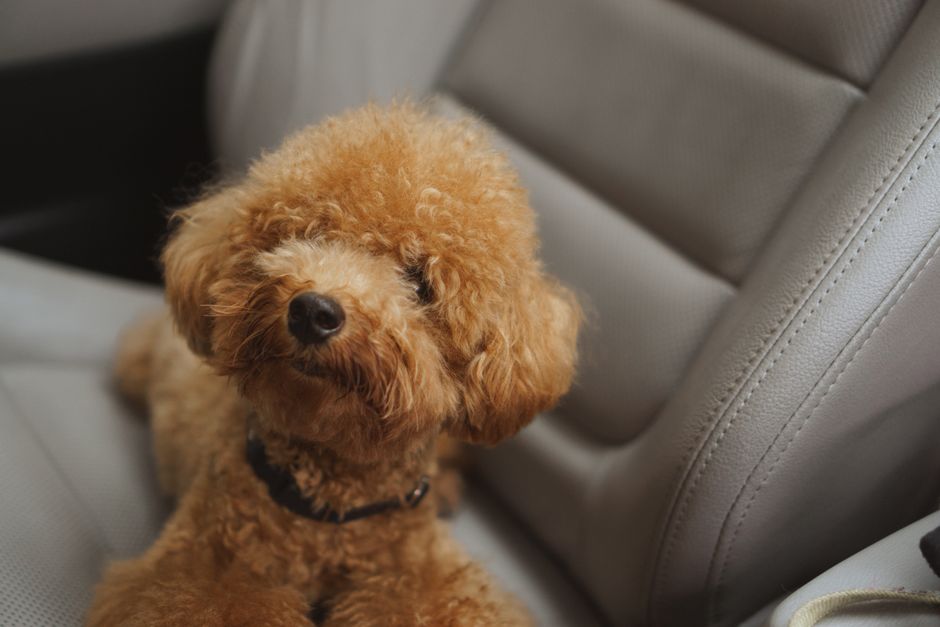
For pet owners, hitting the road with a furry friend is one of life's simple joys. But that joy often comes with an invisible challenge: pet dander. Dander—microscopic flakes of skin shed by cats, dogs, and other animals—can quickly accumulate in your car's cabin, triggering allergies, asthma, and lingering odors. Unlike visible hair, dander particles are tiny (often less than 2.5 microns) and can remain airborne for hours, easily inhaled by drivers and passengers. A car air purifier designed to tackle pet dander can transform your driving experience, making it healthier and more pleasant for everyone on board.
In this comprehensive guide, we'll explore how car air purifiers work against pet dander, what features to look for, and how to choose the best model for your needs. Whether you're a daily commuter with a Golden Retriever or a weekend adventurer with a cat, this article will help you breathe easier.
Understanding Pet Dander: The Invisible Intruder
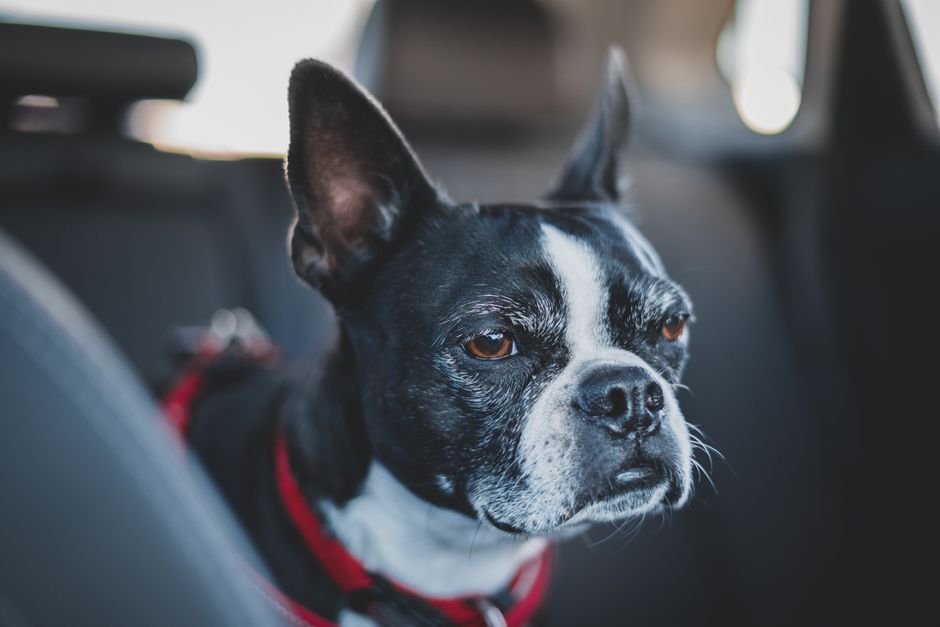
Pet dander is more than just loose fur. It consists of microscopic skin cells, saliva, and urine proteins that animals shed naturally. These particles are lightweight and can travel through the air, settling on seats, carpets, and ventilation systems. Common allergens include Fel d 1 (cats), Can f 1 (dogs), and similar proteins in other pets.
Why is dander so problematic in cars? The enclosed space, limited ventilation, and constant airflow from AC/heating systems can recirculate dander particles continuously. Over time, they build up in upholstery and filters, creating a persistent allergen reservoir. For allergy sufferers, symptoms like sneezing, itchy eyes, and coughing can appear within minutes of entering a contaminated vehicle.
Health Risks of Pet Dander Exposure
- Allergic rhinitis: Sneezing, runny nose, and nasal congestion.
- Asthma attacks: Dander can trigger bronchial constriction in sensitive individuals.
- Skin reactions: Hives or eczema flare-ups from contact with dander-laden surfaces.
- Long-term sensitivity: Repeated exposure may worsen existing allergies.
Even if you're not allergic, dander contributes to unpleasant odors and can make your car feel less clean. A quality air purifier is not just a luxury—it's a practical investment in your health and comfort.

How Car Air Purifiers Combat Pet Dander
Car air purifiers use a combination of technologies to remove dander and other airborne contaminants. Understanding these mechanisms helps you choose the right device.
HEPA Filtration: The Gold Standard
High-Efficiency Particulate Air (HEPA) filters are designed to capture 99.97% of particles as small as 0.3 microns. Since pet dander typically ranges from 0.5 to 10 microns, HEPA filters are highly effective at trapping dander, pollen, dust, and smoke. Look for purifiers with true HEPA filters, not "HEPA-like" or "HEPA-type" filters, which may not meet the same standards.
Activated Carbon: Odor and Chemical Removal
While HEPA captures particles, activated carbon filters adsorb odors, volatile organic compounds (VOCs), and some gases. This is crucial for eliminating pet-related smells, such as litter box odors or "wet dog" scent. A combined HEPA + activated carbon filter offers comprehensive protection.
Ionizers and UV-C Light: Additional Layers
Some purifiers include ionizers that charge particles so they clump together and fall out of the air, or UV-C lamps that neutralize bacteria and viruses. While these can be beneficial, they should complement—not replace—HEPA filtration. Be cautious with ionizers that produce ozone, a lung irritant.
Key Features to Look for in a Car Air Purifier for Pet Dander
Not all car air purifiers are created equal. Here's what to prioritize:
1. True HEPA Filter
As mentioned, this is non-negotiable for dander removal. Check the product specifications for "True HEPA" or "H13 HEPA" rating.
2. Activated Carbon Filter
For odor control, ensure the purifier includes an activated carbon layer. Some models have separate filter stages for easy replacement.
3. Clean Air Delivery Rate (CADR)
CADR measures how quickly a purifier cleans the air. For car interiors (typically 100-150 cubic feet), a CADR of 10-20 CFM is adequate. Higher CADR means faster cleaning.
4. Noise Level
You don't want a purifier that drowns out conversation or music. Look for models with a noise level below 50 dB on low speed. Some offer silent modes.
5. Power Source
Options include 12V car adapter, USB, or built-in rechargeable battery. USB and battery-powered models offer flexibility, while 12V ensures continuous operation.
6. Size and Mounting
Compact purifiers can fit in cup holders or attach to vents. Measure your available space before buying.
7. Filter Replacement Indicator
A indicator light or app reminder helps you know when to change filters—typically every 3-6 months, depending on use.
8. Additional Features
- Fragrance-free operation: Avoid purifiers that emit perfumes, which can irritate allergies.
- Smart sensors: Auto-adjust fan speed based on air quality.
- Carry handle: For portability between vehicles.
Top Types of Car Air Purifiers for Pet Owners
Car air purifiers come in various forms. Here's a comparison to help you decide:
| Type | Pros | Cons | Best For |
|---|---|---|---|
| 12V Plug-in | Continuous power, no battery needed | Cord clutter, uses cigarette lighter | Daily commuters |
| USB-Powered | Versatile, works with power banks | May require adapter, limited power | Ride-share drivers, travelers |
| Rechargeable | Portable, no cords | Needs charging, limited runtime | Occasional use, multiple cars |
| Vent-Mounted | Space-saving, direct airflow | May block vent, less powerful | Small cars, minimal dander |
| Cup Holder | Stable, easy to reach | Takes up cup holder space | Most pet owners |
How to Maximize Dander Removal in Your Car
An air purifier is a powerful tool, but it works best when combined with good car hygiene. Follow these tips:
1. Regular Cleaning
- Vacuum seats, carpets, and floor mats weekly using a HEPA vacuum.
- Wipe down hard surfaces with a damp cloth to remove settled dander.
- Wash removable seat covers and pet blankets frequently in hot water.
2. Groom Your Pet
Brushing your pet regularly—ideally outside the car—reduces loose dander. Use a deshedding tool and consider pet wipes to remove surface allergens before rides.
3. Use Cabin Air Filter
Your car's built-in cabin air filter also traps dander. Replace it every 12,000-15,000 miles or more often if you travel with pets. Upgrade to a HEPA cabin filter if available.
4. Ventilation Strategy
When first starting the car, open windows for a minute to flush out airborne dander. Then close windows and set AC to recirculate mode to let the purifier clean the air efficiently.
5. Position the Purifier
Place the purifier in a central location, such as the cup holder between front seats, to ensure even air distribution. Avoid blocking its intake or exhaust.
6. Replace Filters on Schedule
Clogged filters lose efficiency. Mark your calendar to replace HEPA and carbon filters every 3-6 months, or as recommended by the manufacturer.
Choosing the Right Car Air Purifier: A Step-by-Step Guide
With so many options, narrowing down your choice can be overwhelming. Follow these steps:
- Assess your needs: How many pets? How often do they ride? Do you have allergies?
- Set a budget: Prices range from $20 to $200. Higher cost often means better filtration and durability.
- Check filter availability: Ensure replacement filters are easy to find and affordable.
- Read reviews: Look for feedback from pet owners specifically.
- Verify certifications: CARB (California Air Resources Board) certification ensures low ozone emissions.
- Consider warranty: A 1-2 year warranty indicates manufacturer confidence.
Maintenance and Troubleshooting
To keep your purifier performing at its best:
- Clean the pre-filter: If your model has a washable pre-filter, rinse it monthly to remove hair and large particles.
- Inspect for damage: Check the power cord and housing for wear.
- Address noises: A rattling sound may indicate a loose fan or debris; unplug and clean.
- Store properly: If not using for extended periods, remove filters and store in a dry place.
Frequently Asked Questions
How long does it take for a car air purifier to remove pet dander?
With a quality HEPA purifier, you may notice a reduction in airborne dander within 20-30 minutes. However, eliminating settled dander requires cleaning and continuous operation over several days.
Can a car air purifier eliminate pet odors completely?
It can significantly reduce odors, especially with activated carbon. But for embedded odors in upholstery, professional cleaning may be necessary.
Are ionizers safe for pets?
Ionizers that produce ozone can be harmful to both pets and humans. Choose ozone-free ionizers or rely solely on HEPA and carbon filtration.
Do I need a purifier if I don't have allergies?
Yes—it helps maintain a cleaner, fresher cabin and reduces the buildup of dander that could affect future passengers or resale value.
Conclusion: Breathe Easy with the Right Purifier
Pet dander is a persistent challenge for pet-owning drivers, but it's not insurmountable. A car air purifier with true HEPA and activated carbon filtration can dramatically reduce airborne allergens and odors, creating a healthier environment for you and your furry co-pilot. Remember to combine purification with regular cleaning and pet grooming for best results. By following this guide, you'll be well-equipped to choose the perfect purifier and enjoy every journey—dander-free.
Suggested models
Browse all Purifiers often specified for this programme
Vent-Clip & Dashboard Air Purifiers
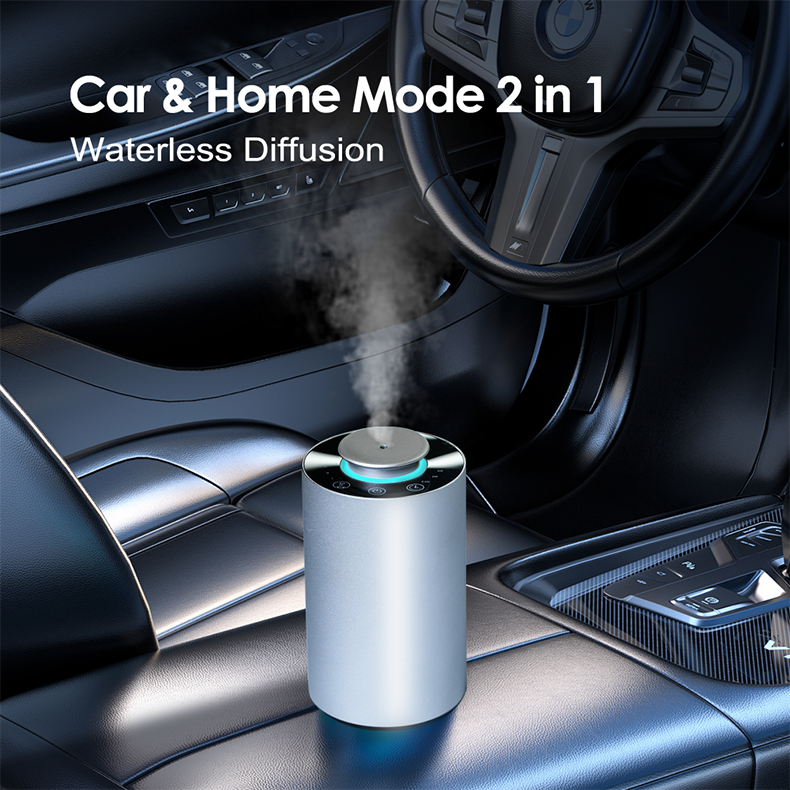 Vent-Clip & Dashboard Air Purifiers
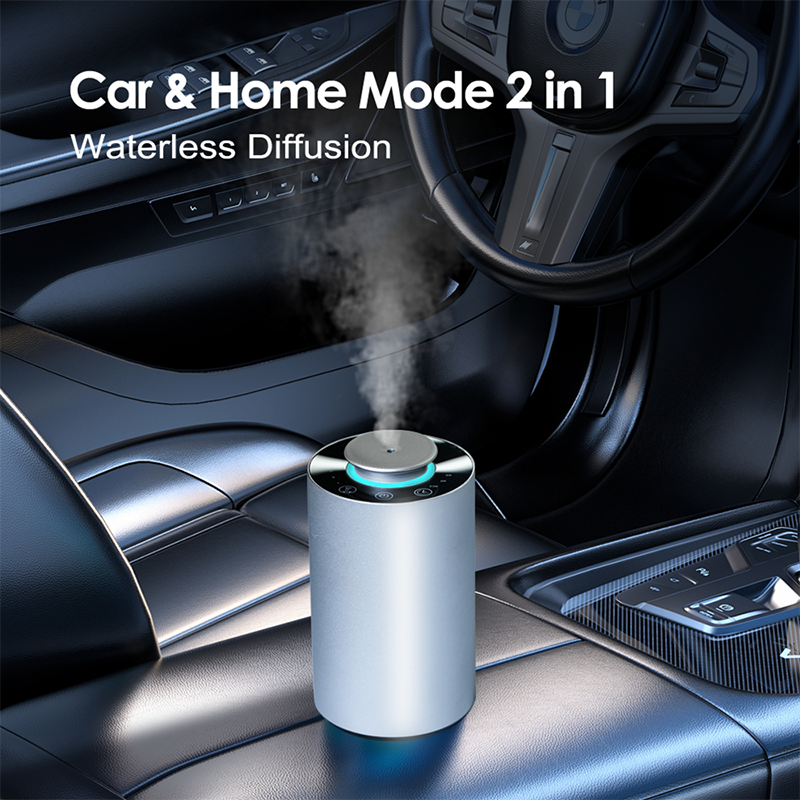 Cup-Holder Air Purifiers
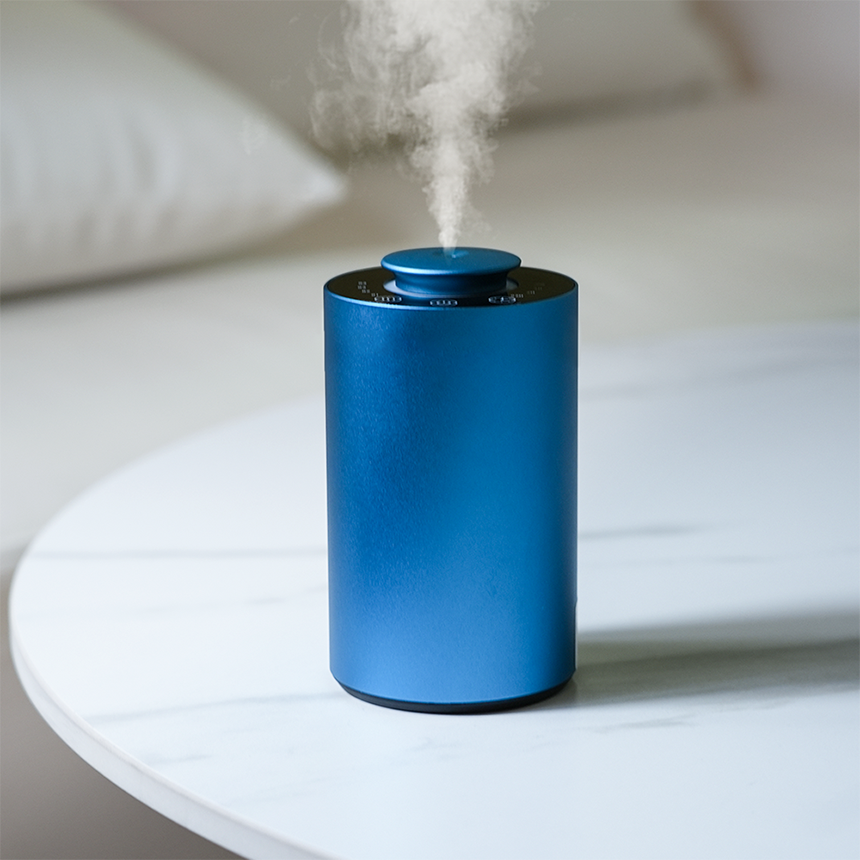 Cup-Holder Air Purifiers
More solutions
Other channels we build for
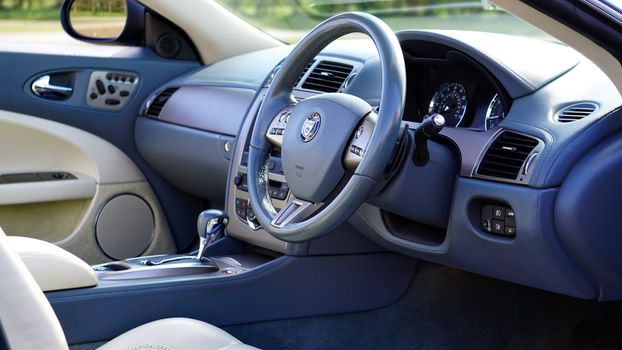
Car Air Purifier vs Cabin Air Filter: Which Do You Need?
Car air purifier vs cabin air filter: compare costs, features, and performance to decide which your car really needs. Find the best option for cleaner air.
View solution
Are Ionic Car Air Purifiers Safe? Ozone Risks
Are ionic car air purifiers safe? Learn how ozone is produced, its health risks, and how to choose a safe, low-ozone car air purifier.
View solution
How to Remove Cigarette Smell From Your Car Permanently
Learn how to remove cigarette smell from your car permanently with deep cleaning, ventilation treatment, and a car air purifier. Get fresh air today!
View solution