1. AI Accelerators Drive Record Demand for Advanced Chips
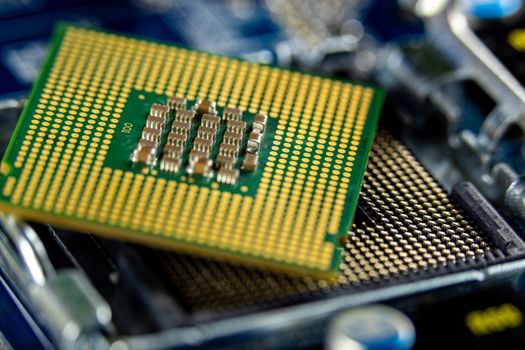
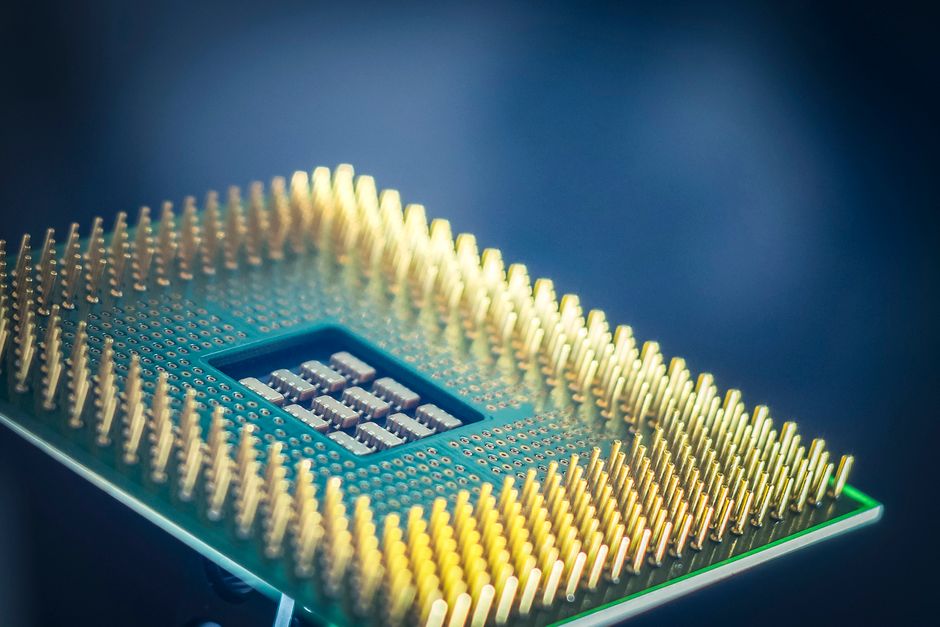
The single biggest story in chip maker company news right now is the explosive demand for AI accelerators. Nvidia, AMD, Intel, and a growing list of custom silicon startups are all racing to supply the GPUs, TPUs, and NPUs that power large language models and generative AI workloads. Data center operators report that allocation for top-tier AI chips remains sold out well into the next fiscal year, and lead times for high-bandwidth memory have stretched accordingly.
This demand is reshaping corporate strategy. Chip makers are diverting wafer capacity away from consumer-grade processors toward premium AI parts, which has knock-on effects for PC and smartphone supply. Analysts note that the AI accelerator market could surpass $200 billion annually within a few years, making it the most lucrative segment in semiconductor history.
For buyers and integrators, the practical takeaway is to plan procurement early and diversify suppliers. Companies that locked in multi-year agreements before the current squeeze are in a far stronger position than those buying on the spot market.
2. Foundry Giants Expand Capacity With New Fabs
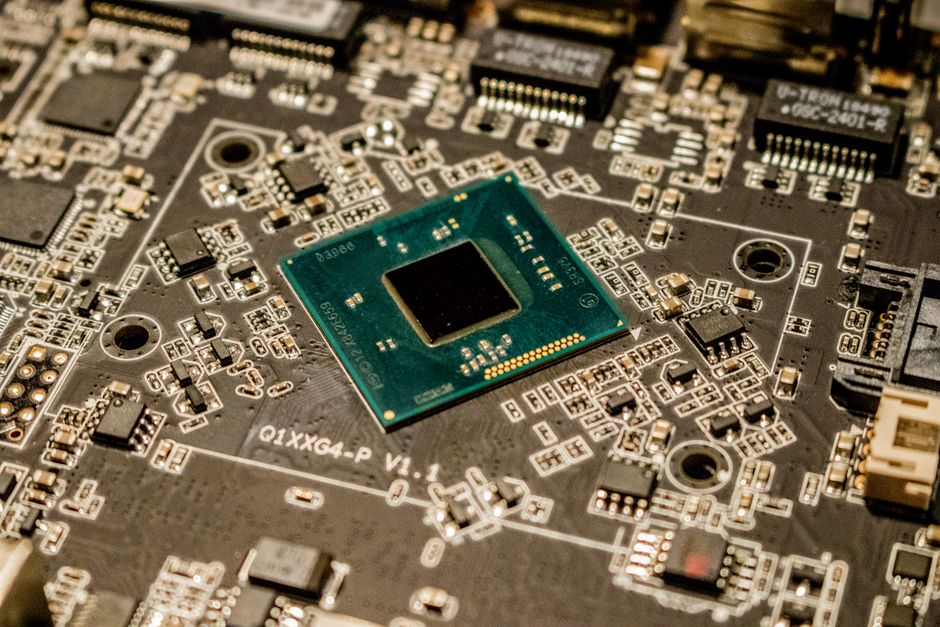
TSMC, Samsung, and Intel Foundry are all pouring tens of billions of dollars into new fabrication plants across the United States, Japan, Germany, and South Korea. TSMC's Arizona campus has begun volume production, while Samsung is ramping advanced nodes in Taylor, Texas. Intel, meanwhile, is betting its turnaround on its 18A process and external foundry customers.
These expansions matter because leading-edge capacity has been concentrated in a handful of locations for decades. Geographic diversification reduces the risk of disruption from natural disasters, geopolitical tension, or energy shortages. Governments are supporting the buildout through incentives such as the U.S. CHIPS Act and the EU Chips Act.
The catch is timing. A new leading-edge fab takes three to five years and billions of dollars to bring online, so the capacity being announced today will not ease shortages until later this decade. In the meantime, pricing for advanced nodes is likely to stay firm.
3. Chip Makers Push the 2nm and 1.4nm Roadmap Forward
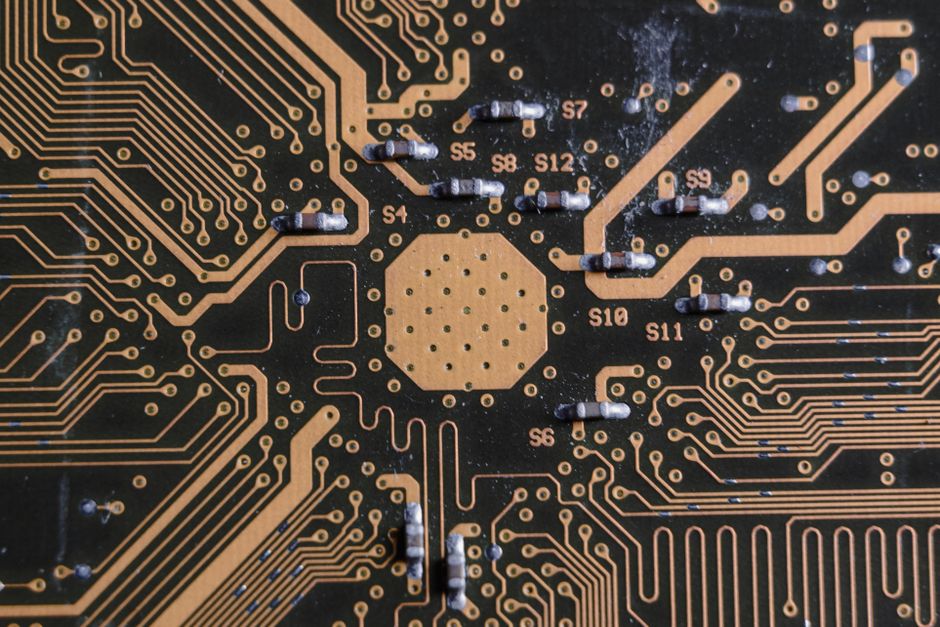
The process technology race has moved beyond 3nm. TSMC's N2 node is entering risk production, Samsung is targeting its SF2 process, and Intel is positioning 18A and 14A as its comeback nodes. Each generation promises roughly 15 to 30 percent better power efficiency or performance, which directly translates into longer battery life and cooler data centers.
Behind the headline numbers, the real innovation is in packaging and transistor architecture. Gate-all-around (GAA) transistors, backside power delivery, and 3D chip stacking are becoming as important as raw node shrinkage. Chip makers increasingly market complete platforms rather than just transistors.
For system designers, this means the choice of process node is only one variable. Packaging, memory bandwidth, and software ecosystem support often determine real-world performance more than the node name printed on the datasheet.
4. Memory Makers Ride the HBM Supercycle
High-bandwidth memory (HBM) has become the bottleneck and the profit engine of the AI boom. SK Hynix, Samsung, and Micron are all expanding HBM3E and next-generation HBM4 capacity, and prices have risen sharply as AI chip makers compete for limited supply. HBM stacks are now a major cost component of any AI accelerator.
The memory supercycle is not limited to HBM. DDR5 adoption continues in servers and PCs, and enterprise SSD demand is recovering as data centers refresh storage tiers. Memory makers that survived the brutal 2023 downturn are now reporting strong margin recovery.
Investors and procurement teams should watch capacity announcements closely. Memory is historically cyclical, and today's shortage can become tomorrow's oversupply if too much capacity arrives at once.
5. Automotive and Industrial Chips Rebound After Inventory Correction
After a painful inventory correction in 2024, automotive and industrial chip demand is stabilizing. Automakers are designing more silicon into every vehicle for advanced driver assistance, battery management, infotainment, and zonal architectures. Silicon carbide (SiC) and gallium nitride (GaN) power devices are seeing particularly strong growth in electric vehicles.
Major suppliers such as Infineon, STMicroelectronics, Texas Instruments, ON Semiconductor, and NXP are adjusting their product mixes toward higher-value power and analog parts. Many are also investing in local manufacturing to satisfy regional content requirements.
The recovery is uneven, though. Consumer automotive demand remains sensitive to interest rates and EV incentive changes, so chip makers are keeping a cautious eye on order books.
6. Geopolitics and Export Controls Reshape Supply Chains
Export controls, tariffs, and technology restrictions continue to reshape the semiconductor map. Restrictions on advanced lithography and AI chips have accelerated China's push for domestic alternatives, while Western chip makers juggle compliance, revenue exposure, and customer relationships.
The result is a more fragmented but also more resilient industry. Companies are building duplicate supply chains, qualifying second-source suppliers, and stockpiling critical components. Governments are treating semiconductors as strategic infrastructure rather than ordinary commerce.
For global buyers, the lesson is to map where every critical chip is designed, fabricated, packaged, and tested. A single choke point can stall an entire product line.
7. What These Developments Mean for Buyers and Investors
Putting it all together, the latest chip maker company news points to a market defined by AI-driven demand, aggressive capacity expansion, and geopolitical friction. Buyers should secure long-term supply agreements for critical parts, design for flexibility across nodes and suppliers, and monitor lead times monthly rather than quarterly.
Investors should focus on companies with pricing power in AI accelerators, HBM, and advanced packaging, while treating mature-node commodity products with more caution. The companies that thrive will be those that balance capital discipline with bold bets on the next technology wave.
| Segment | Trend | Outlook |
|---|
| AI accelerators | Sold out capacity | Strong growth |
| HBM memory | Supercycle pricing | Strong growth |
| Automotive | Inventory recovery | Moderate growth |
| Consumer PC | AI PC refresh | Steady |
Whether you are a procurement manager, an engineer, or an investor, staying current with chip maker announcements is no longer optional. The semiconductor industry sets the pace for the entire electronics ecosystem, and the news coming out this quarter will shape products and prices for years to come.
 English
 简体中文
简体中文 Русский
 Español
 Deutsch