 English
 简体中文
简体中文 Русский
 Español
 Deutsch
Supply programme
Electronic Components Price Changes: Latest News 2025
Latest electronic components price changes explained: MLCC, memory, MCU trends plus practical tips to protect your BOM. Stay ahead—read the full guide now.
Why Electronic Components Prices Are Moving Again in 2025
After two years of relative calm following the pandemic-era shortages, the electronic components market is once again showing volatility. Distributors, OEMs, and contract manufacturers are reporting price changes across multiple categories, from passive components to advanced microcontrollers. Understanding what is driving these shifts is essential for anyone managing a bill of materials (BOM), negotiating supply contracts, or planning production schedules.
This guide breaks down the latest pricing news, the root causes behind the changes, and the practical steps you can take to protect your margins. Whether you are a procurement manager, a hardware engineer, or a purchasing agent, the information below will help you make informed decisions in a market that is changing quarter by quarter.

The Current State of the Components Market
Heading into 2025, the global electronic components market is valued at well over half a trillion dollars and is projected to keep growing at a steady compound annual rate. However, growth is not evenly distributed. Demand for AI accelerators, high-bandwidth memory, and power management ICs is surging, while demand for consumer electronics parts remains soft in several regions.
This imbalance is the single biggest factor behind recent price changes. When capacity is reallocated to high-margin AI and automotive products, legacy nodes and commodity parts can tighten quickly. That is exactly what we are seeing now.
Key Market Indicators to Watch
- Lead times: Average lead times for MCUs have stretched from 8–12 weeks to 16–26 weeks in some families.
- Book-to-bill ratios: Several major distributors report ratios above 1.0, signaling rising demand relative to supply.
- Inventory levels: Channel inventory for passives is healthy, but specialty analog and power parts remain lean.
- Foundry utilization: Leading-edge fabs are running near full capacity, while mature nodes hover around 70–80%.
Category-by-Category Price Changes
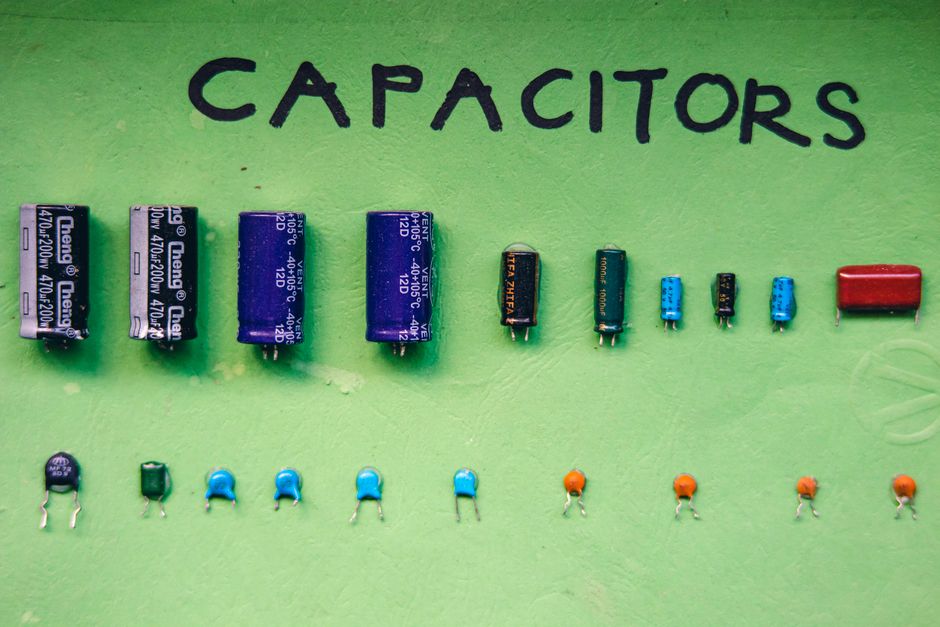
Not all components are affected equally. The table below summarizes the direction and magnitude of recent price movements across major categories.
| Component Category | Price Trend | Typical Change | Main Driver |
|---|---|---|---|
| MLCCs (ceramic capacitors) | Up | +5% to +12% | Automotive and AI server demand |
| Aluminum electrolytic capacitors | Flat to up | +2% to +6% | Raw material and energy costs |
| Resistors | Stable | 0% to +3% | Balanced supply |
| Microcontrollers (32-bit) | Up | +8% to +15% | Tight foundry capacity |
| Power MOSFETs | Up | +6% to +10% | EV and industrial demand |
| Memory (DRAM/NAND) | Up sharply | +15% to +30% | AI server buildout |
| Analog ICs | Mixed | -3% to +8% | Segment-dependent |
| Connectors | Flat | 0% to +4% | Stable raw materials |
The headline story is memory. AI data centers are absorbing enormous quantities of HBM and DDR5, and manufacturers have shifted wafer capacity accordingly. That has pushed conventional DRAM and NAND prices higher, which in turn raises the cost of everything from laptops to industrial controllers.
What Is Driving These Price Increases?
1. The AI Infrastructure Boom
AI training and inference require massive amounts of memory, power delivery, and high-speed interconnect. When hyperscalers place multi-billion-dollar orders, they effectively reserve capacity years in advance. Smaller buyers are left competing for the remainder, and prices rise accordingly.
2. Raw Material and Energy Costs
Copper, gold, silver, and rare earth elements all feed into component manufacturing. Even modest increases in these inputs translate into higher prices for capacitors, connectors, and inductors. Energy costs in key manufacturing regions also remain elevated compared with historical norms.
3. Geopolitical and Trade Factors
Export controls, tariffs, and regional manufacturing incentives continue to reshape supply chains. Companies are dual-sourcing and building regional inventory, which adds cost but reduces risk. These structural changes are unlikely to reverse quickly.
4. Capacity Reallocation at Foundries
Foundries prioritize leading-edge nodes and high-volume customers. Mature-node products—still essential for automotive, industrial, and consumer designs—can face sudden allocation constraints when capacity shifts elsewhere.
How to Protect Your BOM from Price Volatility
Price changes are unavoidable, but their impact on your business is not. The following practical strategies can help you stabilize costs and avoid nasty surprises.
- Lock in long-term agreements (LTAs): Negotiate volume commitments with fixed or capped pricing for your highest-spend parts.
- Design for multi-sourcing: Qualify at least two manufacturers for critical components so you can shift volume when one raises prices.
- Monitor lead times weekly: Set up alerts with distributors and track trends rather than reacting after a shortage hits.
- Build strategic buffer stock: For parts with long lead times or single-source risk, carry 8–12 weeks of extra inventory.
- Engage distributors early: Distributors often get allocation before the open market. Share forecasts 6–12 months ahead.
- Review your BOM quarterly: Identify parts with rising prices and evaluate alternatives or redesigns.
Negotiation Tips for Procurement Teams
When prices are rising, negotiation leverage comes from predictability. Offer suppliers firm forecasts, longer commitments, and consolidated spend in exchange for price protection. Ask for tiered pricing that rewards volume, and clarify how price adjustments will be handled if raw material costs move. Document everything in writing, including validity periods and escalation clauses.
Outlook: What to Expect in the Next Two Quarters
Most analysts expect continued upward pressure on memory and power components through the next two quarters, with passives stabilizing as new capacity comes online. Microcontroller pricing will depend heavily on how foundries allocate mature-node capacity. If AI demand remains strong, expect tightness to persist; if it cools, some categories could see relief.
The smartest approach is to plan for volatility rather than predict it perfectly. Build flexibility into your supply chain, maintain open communication with suppliers, and keep a close eye on the indicators outlined above.
Final Thoughts
Electronic components price changes are a permanent feature of the industry, but they are manageable with the right strategy. By understanding the drivers, tracking category-level trends, and applying disciplined procurement practices, you can keep your projects on budget and your production lines running. Stay informed, stay flexible, and treat supply chain resilience as a competitive advantage.
Parts in scope
Browse all Parts frequently quoted with this programme

Keep reading
Other supply programmes
Electronic Component Earnings Reports Explained Learn how to read electronic component company earnings reports. Understand book-to-bill, margins, inventory, and guidance to make smarter decisions. View solution Latest Electronic Components Company News and Updates Stay updated on the latest electronic components company news, from advanced packaging and wide-bandgap semiconductors to MLCC supply and AI demand. View solution New Electronic Component Launches This Month Discover the latest electronic component product launches this month, from Infineon‘s CoolSiC MOSFETs to Renesas‘ RX72M MCUs. Stay updated with cutting-edge innovations. View solution Semiconductor Company News Today: Key Highlights Stay updated with today‘s top semiconductor company news: TSMC‘s 2nm process, Intel‘s defense contract, NVIDIA‘s new AI chip, and more. Read now! View solution
Start a programme like this
Send the channel you sell into, the parts you already use and your annual volume.