 English
 简体中文
简体中文 Русский
 Español
 Deutsch
Supply programme
Latest Electronic Components Company News and Updates
Stay updated on the latest electronic components company news, from advanced packaging and wide-bandgap semiconductors to MLCC supply and AI demand.
1. Advanced Packaging Drives the Next Wave of Component Innovation
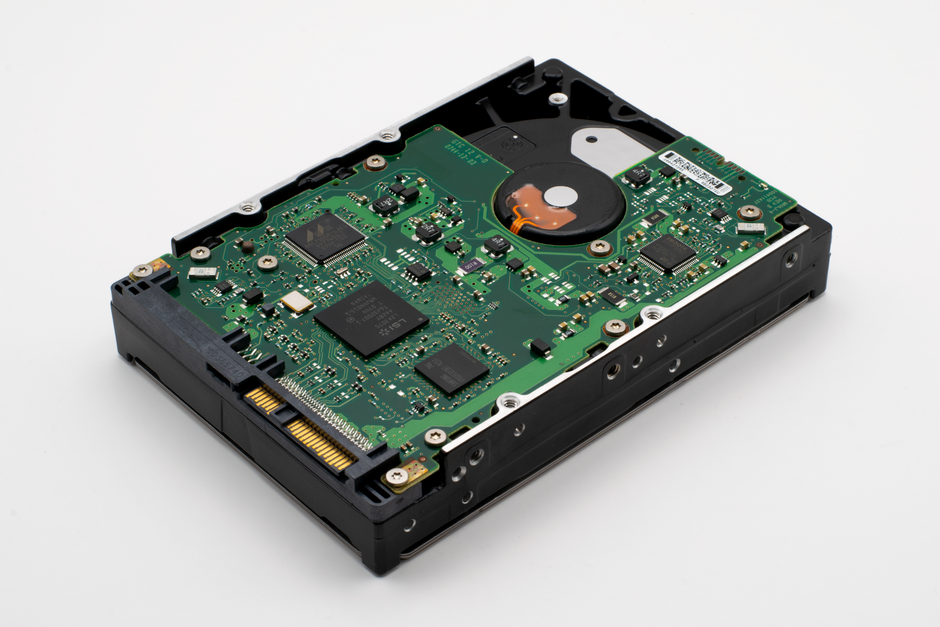
Advanced packaging has moved from a niche specialty to the center of electronic component strategy. Companies including TSMC, Intel, and Samsung are pouring billions into 2.5D and 3D packaging lines, while component suppliers are racing to deliver substrates, interposers, and thermal materials that can keep pace. For buyers and designers, this shift means the definition of a "component" is expanding beyond the die itself to include the package, the interposer, and the surrounding thermal stack.
Recent announcements highlight this trend. Chipmakers have reported volume production of chip-on-wafer-on-substrate (CoWoS) capacity expansions, and several suppliers have introduced glass substrates aimed at improving signal integrity and reducing warpage at larger package sizes. These developments matter because they directly affect lead times, pricing, and availability for high-performance computing and AI accelerator designs.
For procurement teams, the practical takeaway is to engage packaging partners earlier in the design cycle. Treating packaging as a first-class component decision, rather than an afterthought, is becoming essential for hitting performance and schedule targets.
2. Wide-Bandgap Semiconductors Expand Into Mainstream Designs
Silicon carbide (SiC) and gallium nitride (GaN) components continue their march from premium applications into mainstream power electronics. Automotive OEMs have accelerated adoption of SiC inverters for electric vehicles, while GaN devices are appearing in consumer chargers, data center power supplies, and photovoltaic inverters. Component makers have responded with new 1200V and 1700V SiC MOSFETs and higher-frequency GaN HEMTs.
The competitive landscape is intensifying. Established players are expanding 200mm SiC wafer capacity, and new entrants are targeting cost reduction through substrate innovation. Pricing pressure, once a major barrier, is easing as yields improve and wafer sizes grow.
Designers evaluating wide-bandgap options should weigh not just device cost but also gate driver compatibility, thermal management, and reliability qualification. The total system cost often favors wide-bandgap solutions once efficiency and cooling savings are included.

3. Passive Components Face Tight Supply and Rising Demand
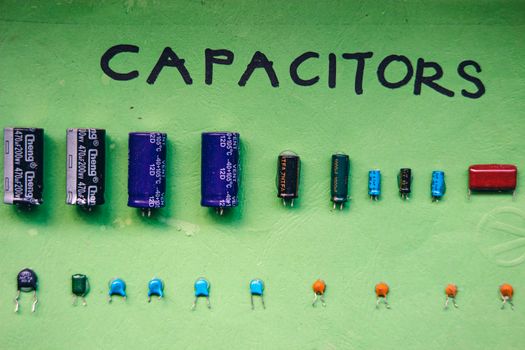
Multilayer ceramic capacitors (MLCCs), inductors, and resistors are experiencing renewed supply pressure as automotive, industrial, and AI server demand converges. Major manufacturers have announced capacity expansions, but lead times for high-reliability and high-capacitance parts remain elevated. Automotive-grade MLCCs, in particular, are on allocation at several suppliers.
The situation is compounded by the shift to higher voltages and temperatures in electric vehicles and industrial equipment, which requires more robust passive components. Suppliers are responding with new dielectric formulations and improved termination materials to meet AEC-Q200 and similar standards.
For buyers, the advice is familiar but urgent: secure long-term agreements, qualify second sources early, and design for available component values rather than ideal ones. Flexibility in the bill of materials can be the difference between shipping on time and missing a window.
4. AI and Data Center Demand Reshapes Memory and Interconnect Roadmaps
AI workloads are driving unprecedented demand for high-bandwidth memory (HBM), advanced interconnects, and power delivery components. Memory makers have announced HBM3E and HBM4 roadmaps with higher stacks and greater bandwidth per pin, while interconnect suppliers are pushing 224G SerDes and co-packaged optics.
This demand surge has ripple effects across the component ecosystem. Power delivery networks require more efficient voltage regulators, more robust inductors, and better thermal interfaces. Connector and cable suppliers are also seeing higher volumes for high-speed, high-density solutions.
Companies that can align their component roadmaps with AI infrastructure timelines stand to gain significant share. Those that lag may find themselves locked out of design wins that last for multiple product generations.
5. Sustainability and Compliance Reshape Component Sourcing
Environmental regulations and corporate sustainability goals are increasingly influencing component selection. New rules on PFAS substances, stricter RoHS interpretations, and customer requirements for carbon footprint data are pushing suppliers to rethink materials and processes.
Several component companies have announced lower-carbon manufacturing initiatives, including renewable energy adoption and recycled material programs. Transparency is becoming a differentiator, with some suppliers publishing product-level carbon footprint data and conflict mineral reports.
For procurement and compliance teams, the message is clear: sustainability credentials are now part of the qualification process. Building supplier scorecards that include environmental and ethical metrics is no longer optional.
6. Regional Manufacturing Incentives Shift the Component Map
Government incentives in the United States, Europe, and Asia are reshaping where electronic components are made. The CHIPS Act and similar programs have triggered a wave of fab, packaging, and materials investments, with new facilities announced almost monthly.
These investments will take years to bear fruit, but they are already influencing sourcing strategies. Companies are diversifying supply chains and building regional redundancy to reduce geopolitical risk. For component buyers, this means more options over time but also more complexity in qualification and logistics.
Staying informed about which suppliers are expanding where, and when new capacity comes online, can provide a competitive advantage in negotiating pricing and lead times.
7. What These Updates Mean for Designers and Buyers
Taken together, these developments point to a component market that is more dynamic, more constrained, and more strategically important than ever. Advanced packaging, wide-bandgap semiconductors, passive component shortages, AI-driven demand, sustainability requirements, and regional manufacturing shifts are all interconnected.
Designers should engage suppliers early, design for flexibility, and treat component strategy as a core part of product planning. Buyers should invest in supplier relationships, monitor capacity announcements, and build resilience into their supply chains.
Companies that adapt to these trends will be better positioned to capture opportunities in AI, electrification, and next-generation electronics. Those that do not may find themselves struggling to secure the components they need to compete.
Parts in scope
Browse all Parts frequently quoted with this programme

Keep reading
Other supply programmes
Semiconductor Company News Today: Key Highlights Stay updated with today‘s top semiconductor company news: TSMC‘s 2nm process, Intel‘s defense contract, NVIDIA‘s new AI chip, and more. Read now! View solution Electronic Components Trade Show News and Highlights Discover the top electronic components trade show news and highlights, from AI demand and wide-bandgap semiconductors to supply chain and automotive trends. View solution Electronic Components Industry Updates You Need to Know Stay ahead with the latest electronic components industry updates: supply chain shifts, semiconductor tech, pricing trends, and practical sourcing tips. View solution Top Electronic Component Manufacturers: Latest News Stay updated with the latest news from top electronic component manufacturers like TI, Infineon, and Murata. Discover innovations driving the industry forward. View solution
Start a programme like this
Send the channel you sell into, the parts you already use and your annual volume.