 English
 简体中文
简体中文 Русский
 Español
 Deutsch
Supply programme
PCB Manufacturer Company News & Industry Insights
Stay updated with the latest PCB manufacturer company news and industry insights. Discover trends in HDI, rigid-flex, sustainability, and smart factories. Read now!
1. Global PCB Market Growth Accelerates in 2024
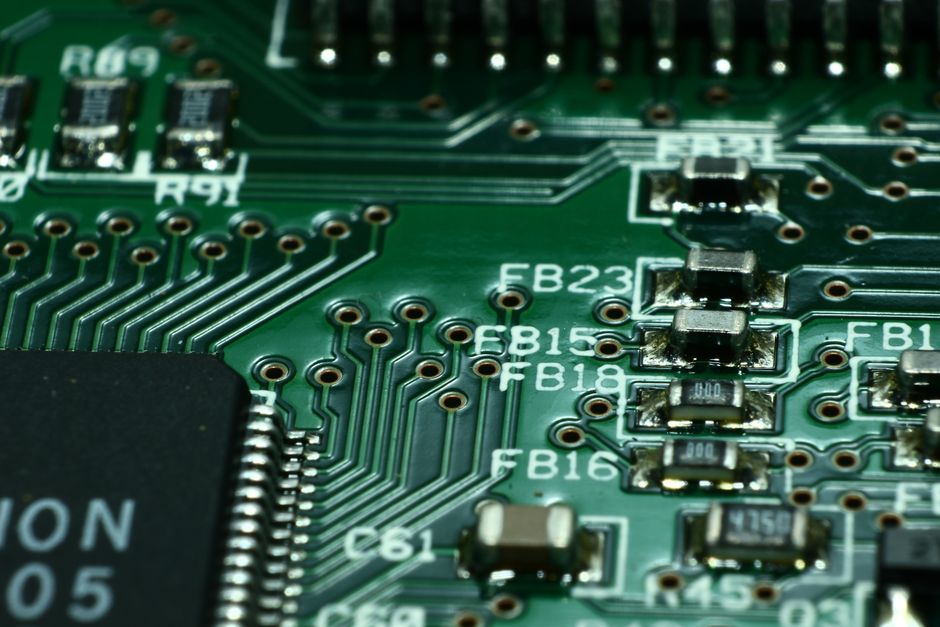
The printed circuit board industry continues to expand at a remarkable pace, with market analysts projecting the global PCB market to surpass $90 billion by 2027. This growth is driven largely by demand from the automotive electronics, 5G infrastructure, and consumer wearable sectors. For PCB manufacturer companies, this means increased order volumes and a renewed focus on capacity expansion.
Leading manufacturers in Asia, Europe, and North America are investing heavily in new production lines and automation. Companies that specialize in high-layer-count boards and HDI (high-density interconnect) technology are seeing the strongest order books. Industry news outlets report that lead times for advanced boards have stabilized after several years of volatility, giving OEMs more predictable supply chains.
For buyers and engineers, staying informed about PCB manufacturer company news is now essential. Capacity shifts, raw material pricing, and regional trade policies can all affect project timelines and costs.
2. Advanced HDI and Rigid-Flex Boards Lead Innovation
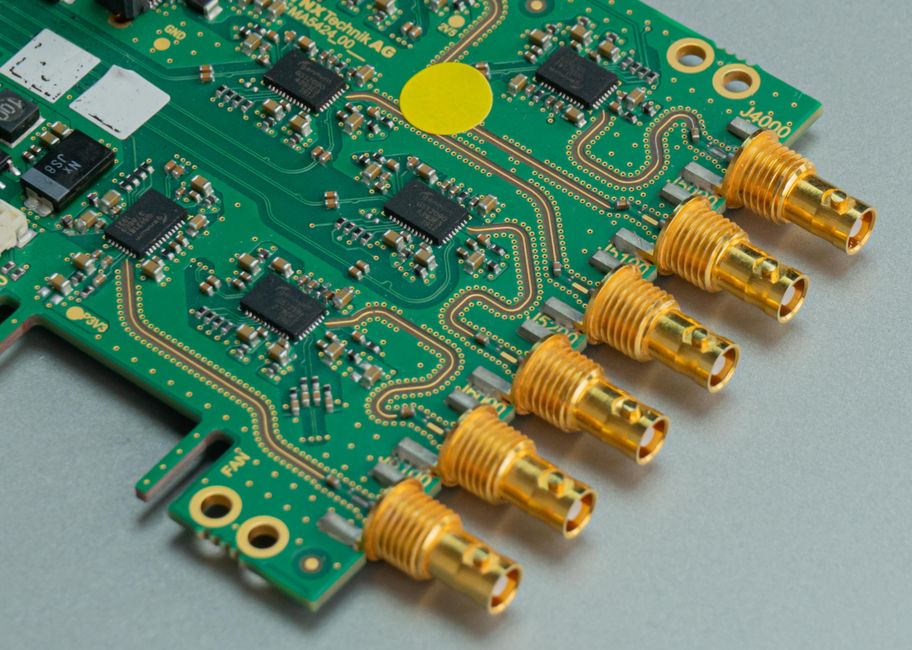
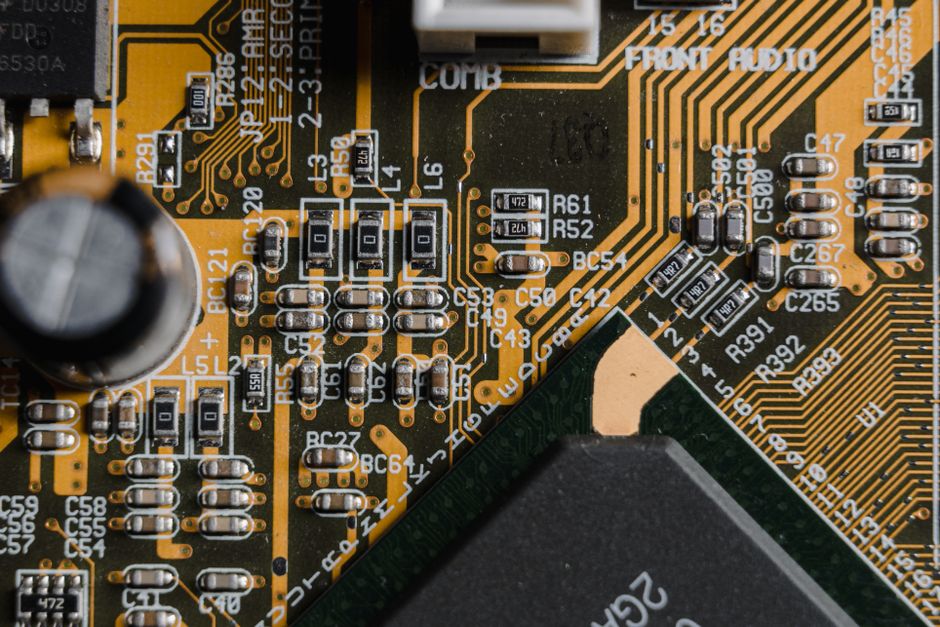
One of the most significant trends in PCB manufacturing is the rapid adoption of HDI and rigid-flex technologies. These boards allow designers to pack more functionality into smaller spaces, which is critical for smartphones, medical implants, and aerospace systems. Manufacturers are responding by upgrading their laser drilling and sequential lamination capabilities.
Recent company news highlights several major PCB manufacturers announcing new rigid-flex production lines. These investments aim to reduce turnaround times and improve yield rates for complex multilayer stacks. For design engineers, this means greater design freedom and more reliable prototyping services.
- HDI boards now account for over 20% of advanced PCB revenue.
- Rigid-flex demand is growing fastest in medical and defense sectors.
- Miniaturization is pushing trace widths below 40 microns.
3. Supply Chain Resilience Becomes a Top Priority
The past few years taught the electronics industry a hard lesson about supply chain fragility. PCB manufacturer companies are now diversifying their material sourcing and building redundant production capacity across multiple regions. This shift is particularly visible in laminate procurement, where manufacturers are qualifying alternative suppliers for high-frequency materials.
Company news from major players shows a trend toward vertical integration. Some manufacturers are acquiring copper foil and prepreg suppliers to secure critical inputs. Others are forming strategic partnerships with chemical companies to develop proprietary dielectric materials.
For customers, these moves translate into more stable pricing and shorter lead times, though some premium materials may still see allocation during peak demand periods.
4. Sustainability and Green Manufacturing Take Center Stage
Environmental regulations are reshaping PCB manufacturing. New rules in the EU and China are pushing companies to reduce wastewater, recycle copper, and eliminate hazardous chemicals. Leading PCB manufacturers are publishing annual sustainability reports and setting ambitious carbon-neutral targets.
Industry insights suggest that green manufacturing is no longer just a compliance issue—it is a competitive advantage. OEMs increasingly audit their PCB suppliers for environmental performance. Manufacturers that invest in closed-loop water systems and energy-efficient plating lines are winning contracts from environmentally conscious brands.
| Initiative | Impact |
|---|---|
| Copper recycling | Reduces raw material costs by up to 15% |
| Wastewater treatment | Ensures compliance with strict discharge limits |
| Renewable energy | Lowers carbon footprint and energy bills |
5. Automation and Smart Factories Transform Production
PCB manufacturing is becoming increasingly automated. Smart factories use IoT sensors, AI-driven inspection, and robotics to improve quality and throughput. Company news frequently features announcements about new automated optical inspection (AOI) systems and AI-based defect detection.
These technologies reduce human error and allow manufacturers to catch defects earlier in the process. For customers, the result is higher first-pass yields and more consistent board quality. Automation also helps manufacturers manage labor shortages, a persistent challenge in many regions.
Looking ahead, expect to see more digital twins and predictive maintenance in PCB factories. These tools will further compress lead times and enable mass customization.
6. Key Takeaways for Engineers and Procurement Teams
Staying current with PCB manufacturer company news helps you make better sourcing decisions. Whether you are designing a new product or managing an existing supply chain, understanding industry trends can save time and money. Focus on suppliers that invest in advanced technology, sustainability, and supply chain resilience.
Finally, always verify a manufacturer's certifications (ISO 9001, IATF 16949, UL) and ask about their technology roadmap. A proactive PCB partner can become a strategic asset for your business.
Parts in scope
Browse all Parts frequently quoted with this programme

Keep reading
Other supply programmes
Electronic Component Earnings Reports Explained Learn how to read electronic component company earnings reports. Understand book-to-bill, margins, inventory, and guidance to make smarter decisions. View solution New Electronic Component Launches This Month Discover the latest electronic component product launches this month, from Infineon‘s CoolSiC MOSFETs to Renesas‘ RX72M MCUs. Stay updated with cutting-edge innovations. View solution Electronic Components M&A News: Latest Deals Guide Track the latest electronic components M&A deals, learn what drives semiconductor and passive component consolidation, and protect your supply chain. Read the guide. View solution Latest Electronic Components Company News and Updates Stay updated on the latest electronic components company news, from advanced packaging and wide-bandgap semiconductors to MLCC supply and AI demand. View solution
Start a programme like this
Send the channel you sell into, the parts you already use and your annual volume.