 English
 简体中文
简体中文 Русский
 Español
 Deutsch
Supply programme
Electronic Components Trade Show News and Highlights
Discover the top electronic components trade show news and highlights, from AI demand and wide-bandgap semiconductors to supply chain and automotive trends.
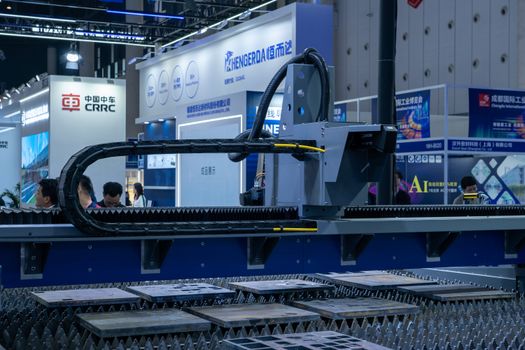
The global electronic components industry moves fast, and trade shows remain the single best place to see where it is heading next. From passive components and power semiconductors to connectors, sensors, and embedded modules, the exhibition floor is where suppliers unveil new parts, distributors announce franchise lines, and engineers get hands-on with the technology that will end up in next year's designs. In this roundup, we highlight the ten biggest stories and trends from the latest electronic components trade show season, covering everything from AI-driven demand to supply chain resilience and the rise of wide-bandgap materials.
1. AI and Data Center Demand Dominates the Floor
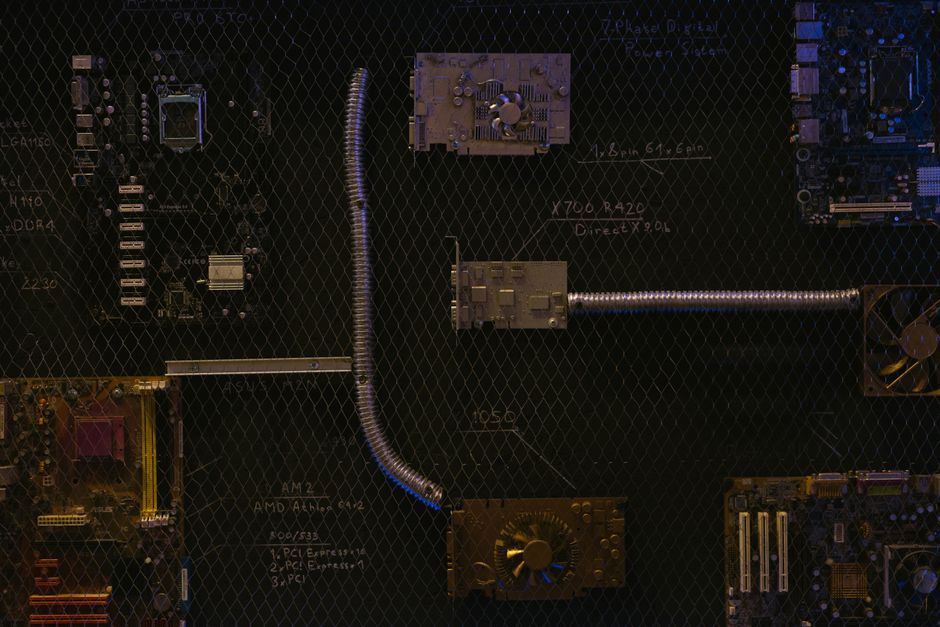
Walking the aisles at this year's major electronics exhibitions, one theme was impossible to miss: artificial intelligence. Component makers are racing to support AI servers, accelerators, and edge inference hardware, and their booths reflected it. Power delivery components rated for higher currents, low-loss inductors, and advanced thermal management parts were everywhere, all pitched at data center operators building out AI clusters.
Memory and interface vendors also used the shows to preview next-generation products aimed at AI workloads, including high-bandwidth interconnect solutions and low-latency interface chips. Distributors reported that AI-related inquiries now account for a growing share of design registrations, a clear signal that the boom is filtering down from hyperscalers to mainstream OEMs.

2. Wide-Bandgap Semiconductors Take Center Stage
Silicon carbide (SiC) and gallium nitride (GaN) devices were among the most heavily promoted products at this season's trade fairs. Manufacturers showcased SiC MOSFETs for electric vehicle traction inverters and industrial motor drives, alongside GaN power stages targeting compact chargers, server power supplies, and photovoltaic inverters.
The message from suppliers was consistent: wide-bandgap technology has moved from early adoption to mainstream design wins. Several exhibitors announced expanded production capacity and new packaging options designed to lower system cost, while others demonstrated reference designs that help engineers shorten development cycles.

3. Supply Chain Resilience Remains a Top Priority
After several years of allocation headaches and lead-time volatility, supply chain resilience continues to shape conversations at electronic components trade shows. Distributors used panel sessions to discuss multi-sourcing strategies, regional inventory hubs, and improved demand forecasting tools.
Many exhibitors highlighted expanded local warehousing and authorized-channel programs aimed at reducing counterfeit risk and shortening delivery times. For buyers, the practical takeaway is clear: build flexibility into bills of materials and maintain strong relationships with franchised distributors rather than relying on a single source.
4. Passive Components Get Smaller and Smarter
Passive components may not grab headlines like processors, but they were a major draw at this year's events. Manufacturers introduced smaller case sizes for multilayer ceramic capacitors (MLCCs), high-frequency inductors, and precision resistors designed for space-constrained wearables and automotive electronics.
There was also a noticeable push toward integrated passive devices and modules that combine multiple functions in a single package. These solutions help designers reduce board area, simplify assembly, and improve reliability in harsh environments.
5. Automotive Electronics Drives Innovation
Automotive applications were a dominant theme across the exhibition halls. Suppliers displayed AEC-Q qualified components for ADAS, battery management systems, infotainment, and in-vehicle networking, with a strong emphasis on functional safety and long-term reliability.
EV charging infrastructure also featured prominently, with connectors, contactors, and power modules rated for high-voltage, high-current operation. As vehicles become software-defined platforms, the demand for robust, automotive-grade electronic components shows no sign of slowing.
6. Connectors and Interconnects Evolve for High-Speed Data
High-speed connectors were another highlight, reflecting the insatiable demand for bandwidth. Vendors demonstrated board-to-board, backplane, and I/O connectors supporting ever-higher data rates for servers, networking equipment, and industrial systems.
Ruggedized and sealed connector families also drew attention from industrial and medical device makers. Many new products emphasize easier mating, higher density, and improved signal integrity, addressing the twin challenges of miniaturization and performance.
7. Sensors Enable the Edge and Industrial IoT
Sensor technology was on full display, with exhibitors showing off environmental, motion, current, and proximity sensors designed for edge computing and Industrial IoT deployments. Low-power operation and integrated signal conditioning were recurring themes.
Several companies introduced sensor fusion modules that combine multiple sensing elements with onboard processing, making it easier for developers to add intelligence to industrial equipment, smart buildings, and consumer devices without deep analog expertise.
8. Sustainability and Compliance Shape Product Roadmaps
Sustainability has become a boardroom issue for the electronics industry, and trade shows reflect that shift. Exhibitors discussed RoHS and REACH compliance, reduced packaging waste, and lower-energy manufacturing processes.
Some suppliers highlighted components designed for easier recycling or longer service life, while others promoted energy-efficient power conversion as a sustainability selling point. For procurement teams, environmental criteria are increasingly part of supplier scorecards.
9. Design Tools and Digital Platforms Integrate with Components
Trade shows are no longer just about hardware. EDA vendors, distributor platforms, and component manufacturers used their booths to demonstrate tighter integration between part data and design tools. Real-time availability, parametric search, and simulation-ready models were common features.
This digital thread helps engineers select components faster and avoid costly redesigns caused by obsolete or unavailable parts. The trend points toward a future where component selection and procurement happen inside the design environment itself.
10. What to Watch at the Next Trade Show
Looking ahead, several themes are likely to intensify. Expect more AI-focused power and interconnect solutions, broader wide-bandgap adoption, and continued investment in regional supply chains. Advanced packaging, chiplet ecosystems, and edge AI modules are also worth watching.
For anyone in the electronic components business, trade shows remain an efficient way to benchmark suppliers, discover new parts, and gauge demand trends. Whether you are a design engineer, procurement specialist, or distributor, the connections made on the show floor often translate directly into faster, more resilient product development.
Quick Reference: Key Highlights at a Glance
| Trend | Why It Matters |
|---|---|
| AI and data center demand | Drives high-current power, thermal, and memory solutions |
| Wide-bandgap semiconductors | Higher efficiency in EV, industrial, and solar designs |
| Supply chain resilience | Reduces risk from allocation and lead-time swings |
| Automotive-grade components | Supports ADAS, EV, and software-defined vehicles |
| Sustainability and compliance | Influences supplier selection and product roadmaps |
Stay tuned to our company news section for continued coverage of electronic components trade shows, product launches, and supply chain developments throughout the year.
Parts in scope
Browse all Parts frequently quoted with this programme

Keep reading
Other supply programmes
Electronic Components M&A News: Latest Deals Guide Track the latest electronic components M&A deals, learn what drives semiconductor and passive component consolidation, and protect your supply chain. Read the guide. View solution Electronic Components Price Changes: Latest News 2025 Latest electronic components price changes explained: MLCC, memory, MCU trends plus practical tips to protect your BOM. Stay ahead—read the full guide now. View solution New Electronic Component Launches This Month Discover the latest electronic component product launches this month, from Infineon‘s CoolSiC MOSFETs to Renesas‘ RX72M MCUs. Stay updated with cutting-edge innovations. View solution Electronic Component Supply Chain News and Trends 2025 Stay updated on electronic component supply chain news and trends. Learn practical tips for resilience, sourcing, and inventory management. Read now! View solution
Start a programme like this
Send the channel you sell into, the parts you already use and your annual volume.