1. High-Voltage Direct Current (HVDC) Expansion
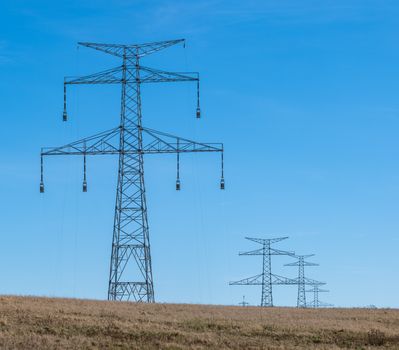
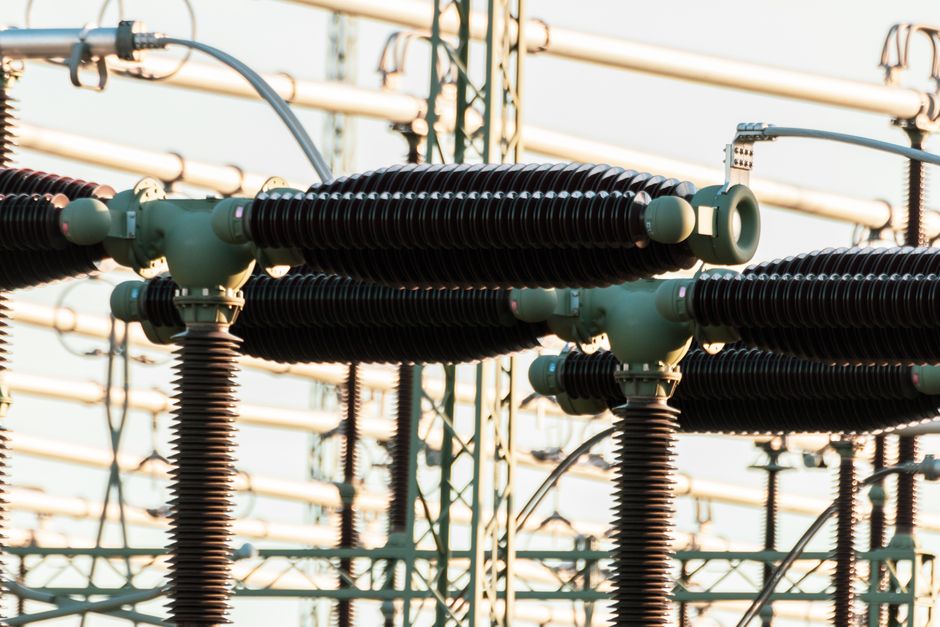
High-voltage direct current (HVDC) is rapidly becoming the backbone of long-distance power transmission. Unlike alternating current (AC), HVDC loses less energy over long distances and can connect asynchronous grids, making it ideal for integrating remote renewable energy sources like offshore wind and desert solar farms. Utilities and governments are investing heavily in HVDC projects to strengthen grid resilience and reduce transmission losses.
Recent advancements in voltage-source converters (VSC) have made HVDC more flexible and cost-effective. Multi-terminal HVDC networks are now being deployed, allowing power to be routed dynamically between multiple points. This trend is expected to accelerate as countries aim to meet decarbonization targets and trade electricity across borders.
2. Smart Grids and Digitalization
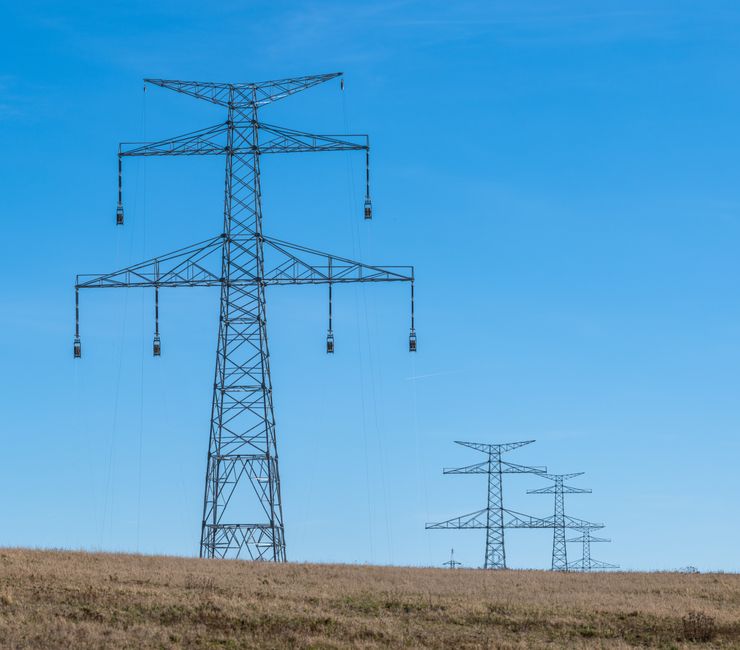
The digital transformation of power transmission is enabling real-time monitoring, predictive maintenance, and automated fault detection. Smart grids use sensors, IoT devices, and advanced analytics to optimize power flow and reduce downtime. This digital layer is essential for handling the variable output of renewable energy and for managing increasingly complex grid operations.
Digital twins—virtual replicas of physical grid assets—are being used to simulate scenarios and plan upgrades without disrupting service. Additionally, AI-driven forecasting helps operators anticipate demand spikes and integrate distributed energy resources (DERs) more effectively. As cybersecurity threats grow, secure communication protocols are also becoming a priority in smart grid design.
3. Integration of Renewable Energy Sources
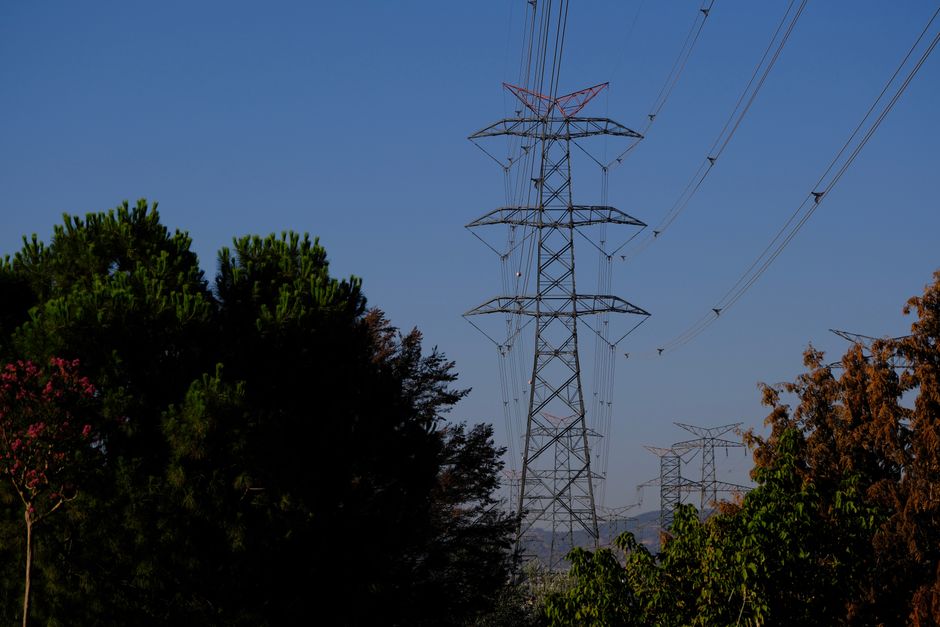
Transmission networks must evolve to accommodate the rapid growth of solar and wind power. These sources are often located far from load centers, requiring new transmission corridors and upgraded interconnections. Grid operators are adopting flexible AC transmission systems (FACTS) and dynamic line rating to maximize existing infrastructure while integrating renewables.
Energy storage, particularly grid-scale batteries, is being co-located with transmission substations to smooth out intermittency. This combination of storage and transmission enhances grid stability and allows higher penetration of renewables. Policy incentives and falling costs are driving this trend globally.
4. Ultra-High-Voltage (UHV) Transmission
Ultra-high-voltage (UHV) transmission, typically above 800 kV for AC and 600 kV for DC, enables bulk power transfer over thousands of kilometers with minimal losses. Countries like China, India, and Brazil are leading UHV deployment to move electricity from remote hydro and coal plants to urban centers. UHV reduces the number of transmission lines needed and lowers land acquisition costs.
However, UHV projects require significant upfront investment and advanced engineering. New conductor materials and compact tower designs are making UHV more feasible. As urbanization and energy demand grow, UHV will play a critical role in balancing supply and demand across regions.
5. Advanced Conductors and Materials
Innovative conductor technologies, such as carbon fiber composite cores and high-temperature low-sag (HTLS) conductors, are increasing the capacity of existing transmission lines. These materials can carry more current without sagging excessively, allowing utilities to uprate lines without building new towers. This is especially valuable in densely populated areas where new rights-of-way are difficult to obtain.
Research into superconducting cables is also progressing, promising zero-resistance transmission for specific high-density applications. While still expensive, superconductors could revolutionize urban power delivery and data center power supply. Meanwhile, advanced insulation and composite materials are extending the lifespan of transmission assets.
6. Grid Resilience and Climate Adaptation
Extreme weather events, from hurricanes to wildfires, are stressing power transmission infrastructure. Utilities are investing in hardened towers, undergrounding critical lines, and vegetation management to improve resilience. Microgrids and distributed generation can also provide backup power when the main grid fails, enhancing community resilience.
Climate adaptation strategies include raising substations above flood levels and using fire-resistant materials. Advanced monitoring systems with drones and satellite imagery help detect risks early. Regulators are increasingly requiring resilience planning as part of transmission investment approvals.
7. Regulatory and Market Reforms
Transmission planning and investment are heavily influenced by regulatory frameworks. Many regions are moving toward performance-based regulation that rewards utilities for reliability, efficiency, and renewable integration. Regional transmission organizations (RTOs) and independent system operators (ISOs) are coordinating cross-border projects to reduce costs and improve reliability.
Market reforms, such as capacity markets and locational marginal pricing, are sending investment signals for new transmission. However, permitting delays and cost allocation disputes remain significant hurdles. Streamlined permitting and innovative financing models, like public-private partnerships, are emerging to accelerate projects.
8. Energy Storage and Transmission Synergy
Grid-scale energy storage is increasingly paired with transmission assets to provide flexibility and ancillary services. Batteries can absorb excess renewable generation and discharge during peak demand, effectively increasing the utilization of transmission lines. This synergy reduces the need for peaking power plants and enhances grid stability.
Emerging technologies like flow batteries and compressed air energy storage offer longer durations, suitable for transmission-level applications. Co-locating storage at substations also defers costly upgrades. As storage costs decline, this integrated approach will become standard practice in transmission planning.
9. Cybersecurity for Transmission Networks
As transmission grids become more digital, they become more vulnerable to cyberattacks. Protecting supervisory control and data acquisition (SCADA) systems, substation automation, and communication networks is paramount. Utilities are adopting zero-trust architectures, encryption, and continuous monitoring to safeguard operations.
Regulatory bodies are enforcing stricter cybersecurity standards, such as NERC CIP in North America. Collaboration between utilities, government, and technology providers is essential to share threat intelligence and best practices. Investing in cybersecurity is not just about compliance—it's about keeping the lights on.
10. Global Interconnections and Supergrids
The concept of continental supergrids is gaining traction, aiming to connect distant renewable resources with demand centers across borders. Projects like the European supergrid and Asian super grid could balance solar and wind output across time zones and seasons, reducing the need for backup fossil fuels.
These interconnections require harmonized technical standards, political cooperation, and massive investment. HVDC and UHV technologies are the building blocks. While challenges are immense, the potential benefits—lower costs, higher reliability, and deep decarbonization—make supergrids a compelling long-term trend.
Conclusion
The future of power transmission is being shaped by technological innovation, policy shifts, and the urgent need to decarbonize. From HVDC and smart grids to UHV and cybersecurity, these ten trends will define how electricity moves from generation to consumption. Companies that embrace these changes will be well-positioned to lead in the evolving energy landscape.