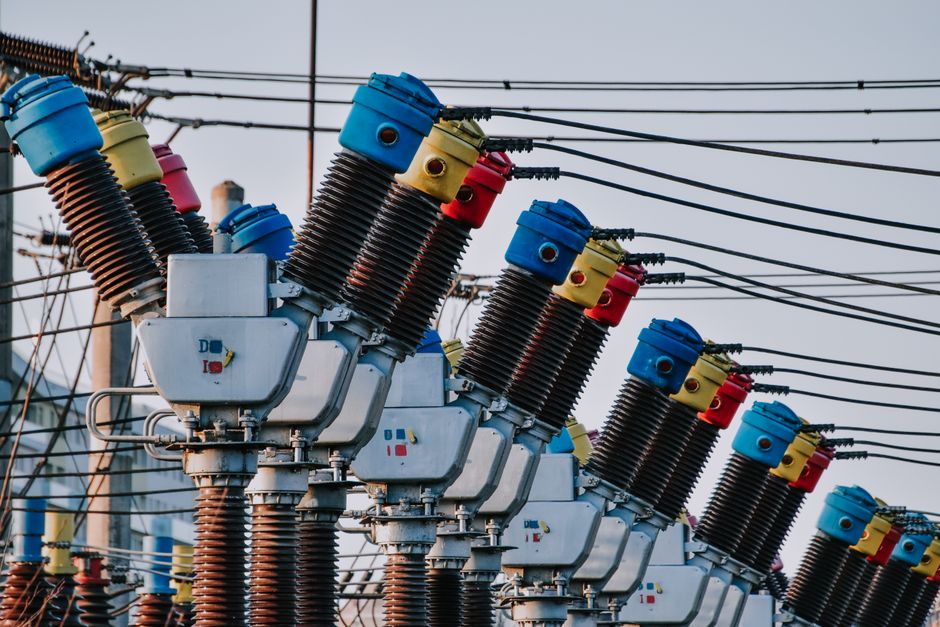
What is a transformer and why is it essential in power transmission?
A transformer is a static electrical device that transfers electrical energy between two or more circuits through electromagnetic induction. It consists of two or more coils of wire, called windings, wrapped around a magnetic core. When alternating current (AC) flows through the primary winding, it creates a changing magnetic field in the core, which induces a voltage in the secondary winding. This allows the transformer to step up or step down voltage levels without changing the frequency.
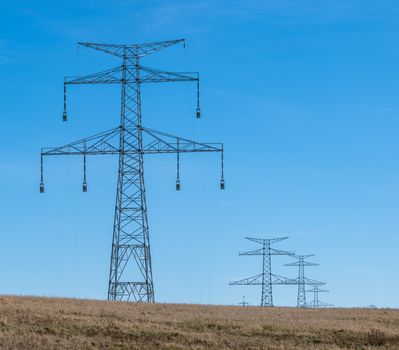
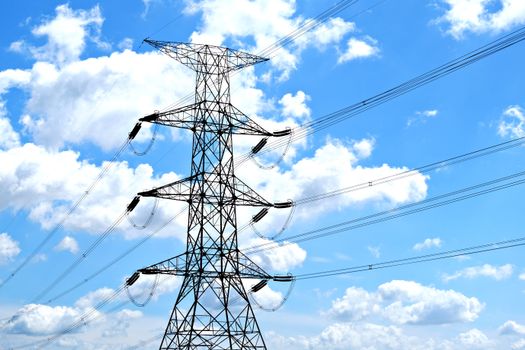
In power transmission, transformers are indispensable because they enable efficient long-distance transport of electricity. By stepping up the voltage at power plants, transformers reduce the current for the same amount of power, which minimizes resistive losses in transmission lines. Later, step-down transformers reduce the voltage to safe levels for distribution and consumption. Without transformers, transmitting power over hundreds of miles would be impractical and extremely costly due to high energy losses.
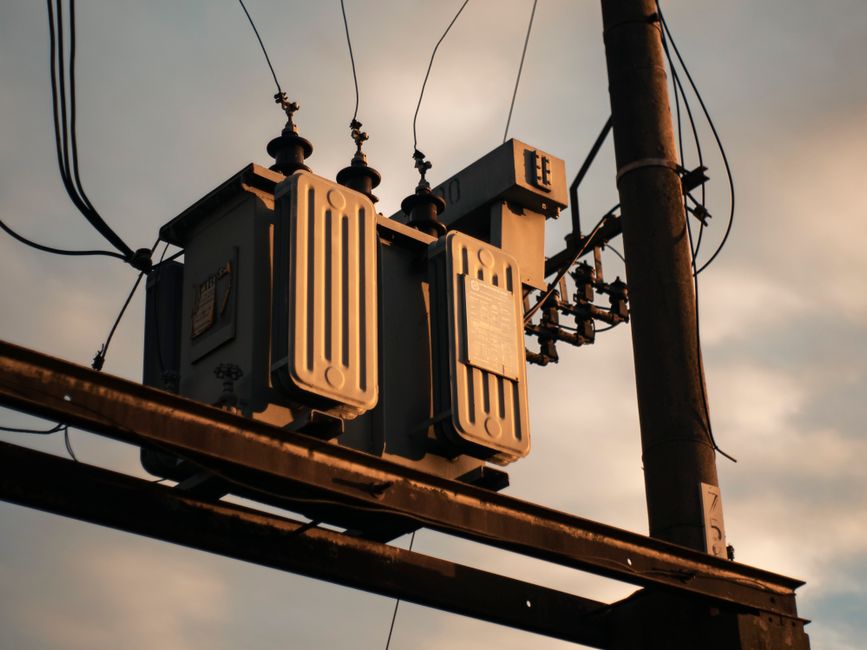
How does a transformer actually work?
The operation of a transformer is based on Faraday's law of electromagnetic induction. When an alternating voltage is applied to the primary winding, it produces an alternating magnetic flux in the core. This flux links the secondary winding and induces an electromotive force (EMF) in it. The ratio of the number of turns in the primary and secondary windings determines the voltage transformation ratio: Vp/Vs = Np/Ns. If the secondary has more turns than the primary, the voltage is stepped up; if fewer, it is stepped down.
Transformers are highly efficient, often exceeding 98%, because they have no moving parts and operate at high magnetic permeability. However, some losses occur due to winding resistance (copper losses) and core magnetization (iron losses). These losses are managed through careful design, such as using laminated cores to reduce eddy currents and high-grade silicon steel to minimize hysteresis.
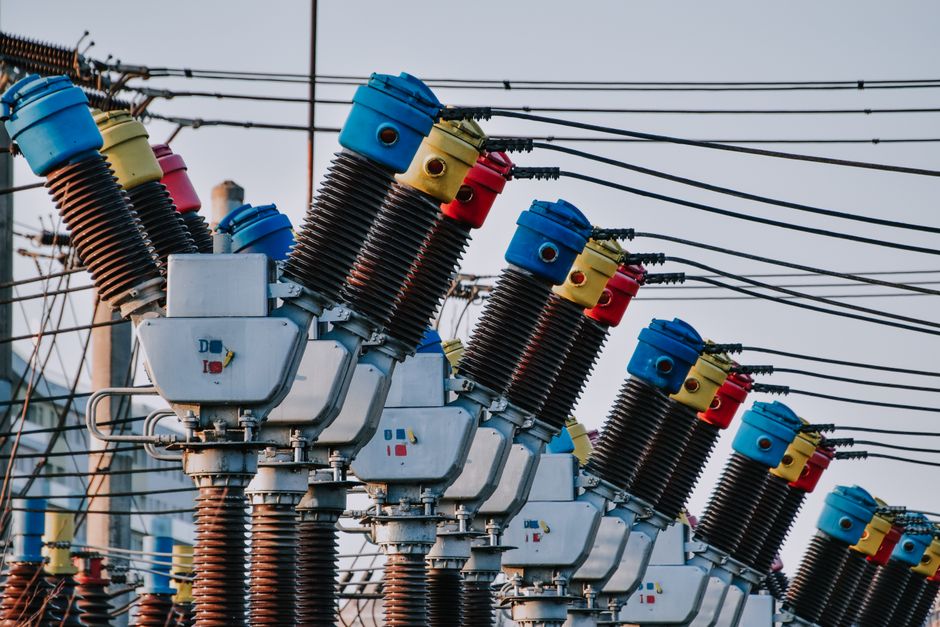
What are the main types of transformers used in power transmission?
Several types of transformers are used in the power grid, each serving a specific purpose:
- Step-up transformers: Increase voltage from generation levels (e.g., 25 kV) to transmission levels (e.g., 765 kV).
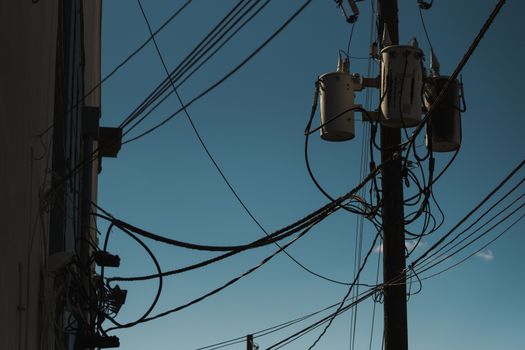
- Step-down transformers: Decrease voltage from transmission levels to distribution levels (e.g., 13.8 kV) and then to consumer levels (e.g., 240 V).
- Autotransformers: Have a single winding with taps, used for voltage regulation and interconnection of systems at different voltages.
- Three-phase transformers: Handle three-phase power, commonly used in transmission networks.
- Isolation transformers: Provide electrical isolation between primary and secondary for safety or noise reduction.
Additionally, specialized transformers like phase-shifting transformers control power flow, and instrument transformers (current and voltage transformers) step down signals for metering and protection.
Why is voltage stepped up for transmission and stepped down for distribution?
Stepping up voltage for transmission reduces the current flowing through the lines for the same power level (P = V × I). Lower current means less resistive loss (I²R) in the conductors, which improves efficiency and allows the use of thinner, lighter conductors. This is crucial for transmitting power over long distances, as losses would otherwise be prohibitively high. High-voltage transmission also reduces voltage drop, ensuring that the voltage at the receiving end remains within acceptable limits.
Stepping down voltage for distribution is necessary for safety and compatibility with end-user equipment. High voltages are dangerous and impractical for residential, commercial, and industrial use. Distribution transformers reduce the voltage to levels like 120/240 V or 480 V, which are safe for appliances and machinery. This multi-stage transformation ensures that electricity is delivered reliably, efficiently, and safely to consumers.
What is the role of transformers in grid stability and voltage regulation?
Transformers play a critical role in maintaining grid stability by enabling voltage control and power flow management. On-load tap changers (OLTCs) on transformers allow the turns ratio to be adjusted while the transformer is energized, compensating for voltage fluctuations caused by varying load or generation. This helps keep voltage within statutory limits, preventing equipment damage and ensuring reliable supply.
Transformers also facilitate the interconnection of different voltage levels and asynchronous grids, enhancing resilience. For example, phase-shifting transformers can control the direction and magnitude of power flow, relieving congestion and improving stability. Without transformers, the grid would be unable to adapt to dynamic conditions, leading to blackouts or equipment failures.
How efficient are transformers and what causes losses?
Modern power transformers are highly efficient, with typical efficiencies ranging from 98% to 99.5% for large units. However, losses do occur and are primarily of two types: no-load losses (core losses) and load losses (copper losses). Core losses arise from hysteresis and eddy currents in the magnetic core, which occur whenever the transformer is energized, regardless of load. Copper losses are due to the resistance of the windings and vary with the square of the load current.
To minimize losses, manufacturers use high-permeability grain-oriented silicon steel for cores, which reduces hysteresis. Laminating the core or using amorphous metal reduces eddy currents. Windings are made of high-conductivity copper or aluminum, and advanced cooling systems (oil, air, or water) manage heat. Efficiency is further improved by designing transformers to operate near their optimal load point.
What are the key components of a power transformer?
A power transformer comprises several essential components:
- Core: Provides a low-reluctance path for magnetic flux; typically made of laminated silicon steel.
- Windings: Primary and secondary coils, usually of copper or aluminum, insulated and arranged for optimal magnetic coupling.
- Insulation: Paper, oil, or polymer insulation prevents short circuits and withstands high voltages.
- Cooling system: Oil-filled tanks with radiators, fans, or pumps dissipate heat.
- Bushings: Insulated connectors that bring conductors out of the tank.
- Tap changer: Adjusts turns ratio for voltage regulation.
- Protective devices: Buchholz relay, pressure relief valve, and temperature sensors for fault detection.
Each component is critical for reliable operation, and regular maintenance is essential to ensure longevity and performance.
How are transformers maintained and monitored in the field?
Transformers are maintained through a combination of preventive and predictive techniques. Routine inspections check for oil leaks, corrosion, and abnormal temperatures. Oil testing (dissolved gas analysis, moisture content, and dielectric strength) is performed periodically to assess internal condition. Electrical tests, such as winding resistance and turns ratio, verify integrity.
Advanced monitoring includes online sensors for temperature, pressure, and partial discharge, which provide real-time data to detect incipient faults. Condition-based maintenance uses this data to schedule interventions, reducing downtime and extending asset life. With the rise of smart grids, transformers are increasingly equipped with IoT devices for remote monitoring and diagnostics, enabling utilities to optimize performance and prevent failures.
What does the future hold for transformer technology in power transmission?
The future of transformer technology is focused on efficiency, sustainability, and smart grid integration. Innovations include amorphous metal cores for lower losses, high-temperature superconducting transformers for compact, high-capacity designs, and solid-state transformers (SSTs) that offer advanced control and bidirectional power flow. SSTs are particularly promising for integrating renewable energy and electric vehicle charging.
Additionally, digital twins and AI-driven analytics will enhance monitoring and predictive maintenance. Environmental concerns are driving the adoption of ester-based insulating fluids, which are biodegradable and fire-resistant. As grids evolve to accommodate distributed generation and fluctuating loads, transformers will remain the backbone, evolving to meet new challenges with greater intelligence and resilience.