What Determines the Cost of Building a Transmission Line?
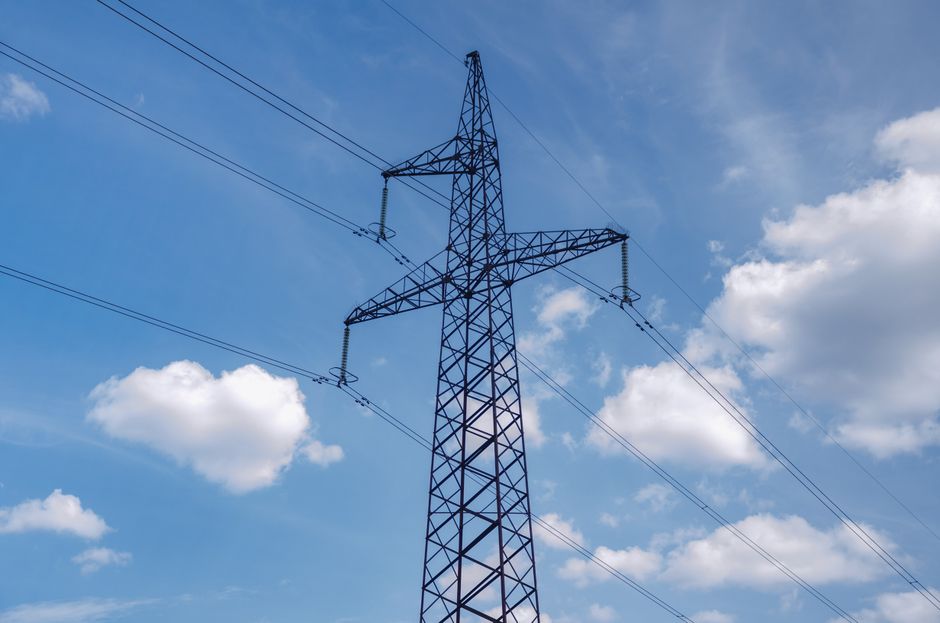
Transmission line construction costs are driven by a combination of physical, environmental, and regulatory factors. The single largest cost component is typically the conductors, towers, and foundations, which together can account for 40–60% of total capital expenditure. Voltage class matters enormously: a 500 kV line costs far more per mile than a 138 kV line because of taller towers, larger conductors, wider rights-of-way, and more complex insulation systems.
Beyond hardware, costs are shaped by terrain, land acquisition, permitting, labor rates, and the distance the line must span. A project crossing flat farmland will be significantly cheaper than one traversing mountains, wetlands, or dense urban corridors. Weather windows, environmental mitigation, and public opposition can also add substantial contingency to the budget.
How Much Does It Cost to Build One Mile of Transmission Line?
As a rough industry benchmark, overhead transmission lines in the United States cost between $1 million and $3 million per mile for 138–230 kV, and $3 million to $8 million per mile for 345–500 kV. HVDC lines and submarine cables can exceed $10 million per mile. These figures are planning-level estimates and vary widely by region and project specifics.
Underground transmission is dramatically more expensive—often 5 to 10 times the cost of overhead construction—due to trenching, duct banks, vaults, and specialized cable installation. That is why most long-distance transmission remains overhead unless urban density, environmental sensitivity, or aesthetics make undergrounding unavoidable.
| Voltage Class | Typical Cost per Mile (Overhead) |
|---|---|
| 69–138 kV | $0.8M – $1.8M |
| 230 kV | $1.5M – $3M |
| 345 kV | $2.5M – $5M |
| 500 kV | $4M – $8M |
| HVDC / Submarine | $8M – $15M+ |
Why Do Transmission Projects Often Cost More Than Initial Estimates?
Cost overruns are common in transmission construction because projects take years to develop and are exposed to shifting conditions. Material prices for steel, aluminum, and copper fluctuate with global commodity markets. Labor shortages for certified linemen and specialized crews can push wage rates higher. Supply chain delays for transformers and breakers have become a major risk since 2020.
Regulatory and legal challenges also inflate budgets. Route changes demanded by landowners or regulators can force redesigns, additional surveys, and new environmental studies. Contingency of 15–30% is often built into early estimates precisely because so many variables remain uncertain until construction begins.
What Role Does the Right-of-Way Play in Overall Cost?
Securing a right-of-way (ROW) is one of the most unpredictable cost drivers. Easement payments to landowners vary by region, land use, and negotiation leverage. In agricultural areas, easements may cost a few thousand dollars per acre; near suburban development, they can be many times higher. In some cases, condemnation proceedings and litigation add legal fees and delay costs.
ROW width also affects cost. Higher-voltage lines require wider corridors—often 100 to 200 feet—which means more land, more vegetation management, and more access roads. Clearing, grading, and maintaining that corridor over the life of the asset adds ongoing operations and maintenance expense on top of the initial capital outlay.
How Do Permitting and Environmental Studies Affect the Budget?
Permitting can consume 10–20% of total project cost and several years of schedule. Federal, state, and local approvals may be required, including NEPA reviews, endangered species consultations, wetlands permits, and cultural resource surveys. Each study adds engineering, legal, and consulting fees.
Environmental mitigation—such as rerouting to avoid sensitive habitats, installing bird diverters, or compensating for wetland impacts—adds direct construction cost. Projects that trigger extensive environmental impact statements can see permitting alone exceed $10 million on large corridors.
What Are the Main Components of a Transmission Line Construction Budget?
A typical budget breaks down into several major categories. Understanding these helps utilities and developers benchmark bids and identify where savings may be possible.
- Materials: Conductors, towers, foundations, insulators, hardware, and grounding (30–50%)
- Construction labor: Crews, equipment, helicopters, and cranes (20–35%)
- Engineering and design: Routing, structural, electrical, and geotechnical studies (5–10%)
- Land and ROW: Easements, condemnation, and damages (5–15%)
- Permitting and environmental: Studies, mitigation, and compliance (5–15%)
- Contingency and escalation: Risk buffer and inflation (10–25%)
How Does Terrain Influence Transmission Construction Costs?
Terrain is a powerful cost multiplier. Flat, accessible land allows standard truck-mounted equipment and efficient crew movement. Hilly or mountainous terrain requires specialized foundations, longer spans, helicopter-assisted tower erection, and temporary access roads—all of which raise costs by 30–100% or more.
Wetlands, rivers, and floodplains add complexity through specialized foundations, environmental permitting, and seasonal construction restrictions. Urban corridors introduce traffic control, limited staging areas, and coordination with other utilities, further driving up labor and equipment costs.
Are There Ways to Reduce Transmission Line Construction Costs?
Yes, but trade-offs exist. Optimizing route selection to avoid difficult terrain and sensitive areas is the single most effective cost-control lever. Standardizing tower designs and using pre-engineered structures can reduce engineering and fabrication costs. Bundling multiple projects into one procurement package can improve pricing from suppliers and contractors.
Advanced conductors and dynamic line rating can sometimes increase capacity on existing corridors, deferring or avoiding new construction altogether. However, these alternatives have their own costs and operational limitations, so a full life-cycle analysis is essential before choosing a strategy.
How Do Transmission Costs Compare with Other Grid Investments?
Transmission is capital-intensive but delivers long-lived benefits. A well-planned line can operate for 50–70 years, spreading its cost over decades of service. When measured per megawatt of capacity delivered, transmission is often cheaper than new generation or storage, especially for moving low-cost renewable energy from remote areas to load centers.
Still, cost allocation remains a political and regulatory challenge. Who pays—ratepayers, generators, or taxpayers—depends on the project's purpose and jurisdiction. Understanding construction cost drivers helps stakeholders evaluate whether a proposed line is a sound investment or an expensive detour.