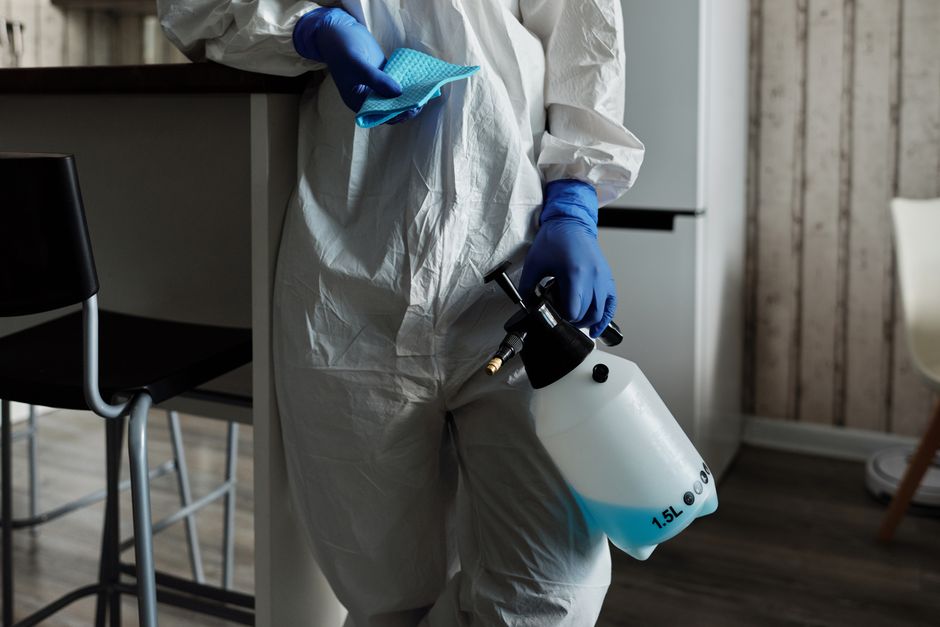
1. Introduction: A New Era in Disinfection Technology
The global disinfectant market is evolving faster than ever, driven by heightened hygiene awareness and advances in chemistry and materials science. In 2024 alone, leading manufacturers have unveiled a wave of product launches that promise faster kill times, longer residual protection, and safer formulations for both people and the planet.
This article rounds up the most notable disinfectant product launch news and innovations you need to know. From electrostatic spraying systems to self-cleaning surface coatings, these breakthroughs are reshaping how hospitals, schools, offices, and households approach infection control.
Whether you are a facility manager, a healthcare procurement officer, or a consumer looking for smarter cleaning solutions, these ten innovations represent the cutting edge of disinfection technology.
2. Electrostatic Sprayers with Smart Sensors
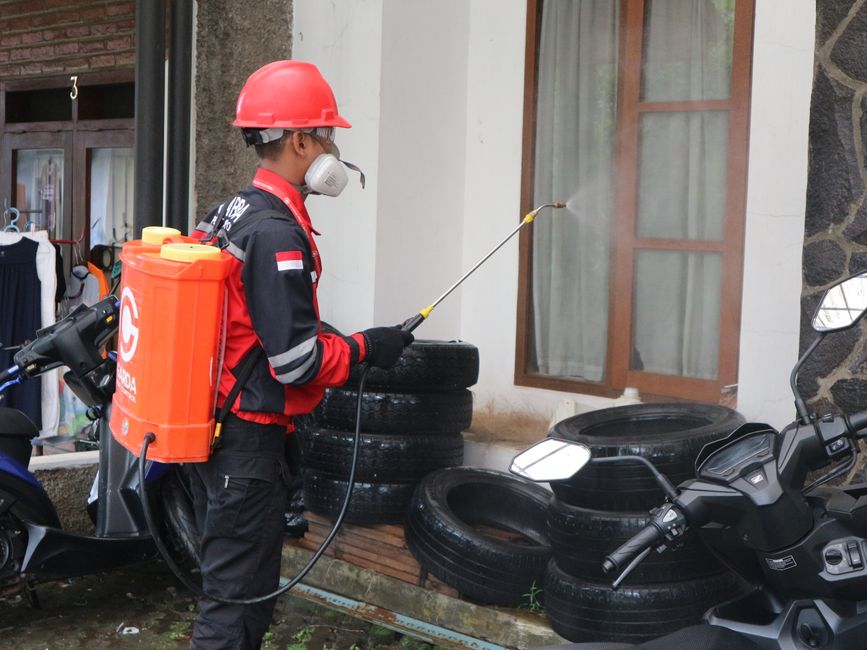
Electrostatic spraying has moved from niche to mainstream, and the newest models now integrate smart sensors that detect room size and adjust droplet size automatically. These devices charge disinfectant particles so they wrap around surfaces, achieving up to 99.99% coverage even on complex shapes.
Recent launches from major brands include onboard analytics that log which areas have been treated, helping cleaning crews document compliance. This is particularly valuable in healthcare settings where audit trails are mandatory.
The result is faster room turnover, reduced chemical waste, and more consistent disinfection—a win for both operators and occupants.
3. Long-Lasting Residual Disinfectants
One of the biggest limitations of traditional disinfectants is that they stop working once they dry. New residual formulations create a microscopic shield that continues to kill pathogens for days or even weeks after application.
These products often use quaternary ammonium compounds or organosilane technology to bond to surfaces. Recent launches have improved the safety profile, making them suitable for high-touch areas like door handles, elevator buttons, and gym equipment.
Facility managers report significant labor savings because surfaces need less frequent reapplication, and the persistent action provides an extra layer of protection between routine cleanings.
4. UV-C LED Disinfection Devices
UV-C light has long been used in hospitals, but the latest generation of UV-C LED devices is smaller, safer, and more energy-efficient. New product launches include portable wands, desktop enclosures for phones and keys, and autonomous robots that navigate rooms to deliver precise doses.
Unlike mercury-based lamps, UV-C LEDs contain no hazardous materials and can be cycled on and off instantly. This makes them ideal for consumer products and point-of-use applications.
Manufacturers are also adding motion sensors and app controls to ensure no one is exposed to harmful UV radiation during operation.
5. Probiotic and Eco-Friendly Disinfectants
As demand for sustainable solutions grows, companies are launching probiotic disinfectants that use beneficial bacteria to outcompete harmful pathogens. These products are non-toxic, biodegradable, and safe for use around children and pets.
New entrants in this space combine probiotics with plant-based surfactants to break down biofilm and organic matter. They are particularly effective in food processing facilities and agricultural settings.
While they may not replace harsh chemicals in every scenario, their environmental benefits and low toxicity make them a compelling choice for routine cleaning.
6. Self-Cleaning Surface Coatings
Imagine a surface that disinfects itself continuously. New photocatalytic coatings, often titanium dioxide-based, use light to generate reactive oxygen species that destroy microbes. Recent launches have made these coatings more durable and easier to apply as sprays or films.
These coatings are being integrated into high-touch products like keyboard covers, hospital bed rails, and public touchscreens. They reduce the burden on manual cleaning and provide round-the-clock protection.
Early adopters in transportation hubs and schools report lower absenteeism and improved confidence among staff and visitors.
7. Hypochlorous Acid (HOCl) Generators
Hypochlorous acid is a powerful disinfectant that is also gentle on skin and eyes. New on-site generators allow facilities to produce HOCl from salt, water, and electricity, eliminating the need for single-use plastic bottles.
Recent product launches focus on compact, user-friendly units for clinics, restaurants, and even homes. The generated solution is effective against bacteria, viruses, and fungi, and it breaks down into harmless saltwater.
This technology reduces supply chain dependence and offers a cost-effective, sustainable alternative to traditional bleach-based products.
8. Smart Dispensers and IoT Integration
Disinfectant dispensers are getting smarter. New models connect to the Internet of Things (IoT) to track usage, monitor supply levels, and alert staff when refills are needed. Some even use proximity sensors to dispense without touch.
These innovations improve compliance by making hand hygiene more convenient and provide data that helps managers optimize placement and cleaning schedules.
In corporate offices and hospitals, IoT dispensers are becoming part of broader building management systems, ensuring a safer environment for everyone.
9. Accelerated Hydrogen Peroxide (AHP) Formulations
Accelerated hydrogen peroxide is gaining traction as a safer alternative to quaternary ammonium compounds and bleach. New launches feature improved stability and faster kill times, even against tough pathogens like norovirus and C. difficile.
AHP breaks down into water and oxygen, leaving no toxic residue. It is compatible with most surfaces and is increasingly available in wipes, sprays, and concentrates.
Healthcare facilities are adopting AHP-based products to meet green cleaning standards without compromising efficacy.
10. Disinfectant Foggers and Misters for Large Spaces
For large areas like warehouses, auditoriums, and public transit, fogging and misting systems offer rapid, uniform coverage. New launches include battery-powered foggers with adjustable particle sizes and remote controls.
These devices are designed for use with approved disinfectants and can treat thousands of square feet in minutes. Safety features like timers and motion sensors prevent accidental exposure.
While fogging is not a substitute for manual cleaning, it is an effective supplement for high-risk environments and outbreak response.
11. Conclusion: What These Innovations Mean for You
The latest disinfectant product launches reflect a clear trend: smarter, safer, and more sustainable solutions. From residual sprays that keep working for days to IoT-connected dispensers that streamline compliance, these innovations are making disinfection more effective and easier to manage.
As you evaluate new products for your home or facility, consider your specific needs—kill claims, surface compatibility, safety, and environmental impact. The right combination of technologies can help you create a healthier environment while reducing costs and labor.
Stay tuned for more updates as the industry continues to innovate at a rapid pace.