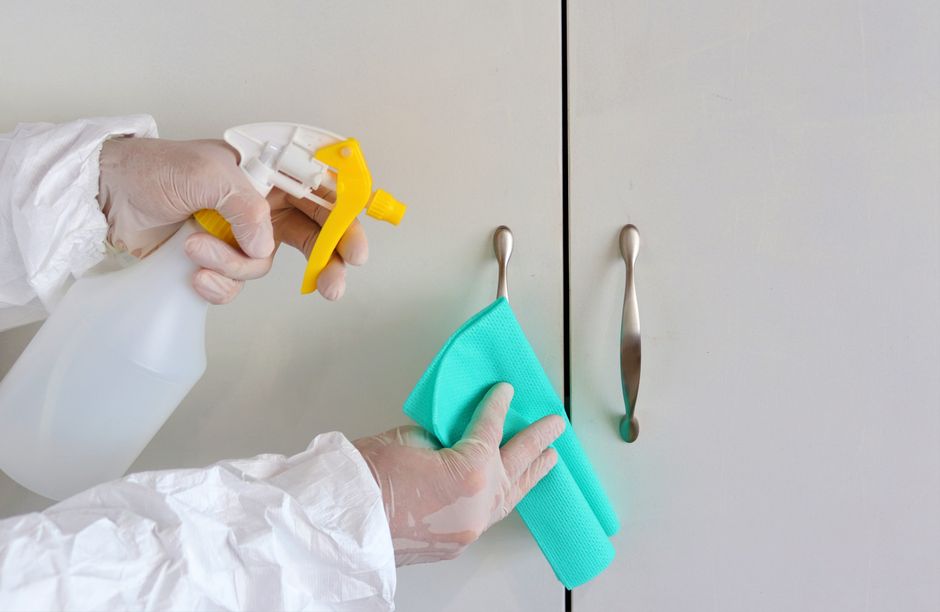
Why Disinfectant Efficacy Matters More Than Ever
Disinfectants are a critical line of defense against pathogens in healthcare facilities, food processing plants, schools, offices, and homes. But not all disinfectants are created equal, and even the best product can fail if it is applied incorrectly. Evaluating disinfectant efficacy is the process of determining whether a product actually kills or inactivates the microorganisms it claims to target under real-world conditions. This guide walks you through a practical, step-by-step approach to assessing disinfectant performance so you can make informed decisions, meet regulatory requirements, and protect the people who rely on your cleaning protocols.
Whether you are a facility manager, infection prevention specialist, or procurement officer, understanding how to evaluate efficacy will help you avoid costly mistakes and build a disinfection program that truly works.
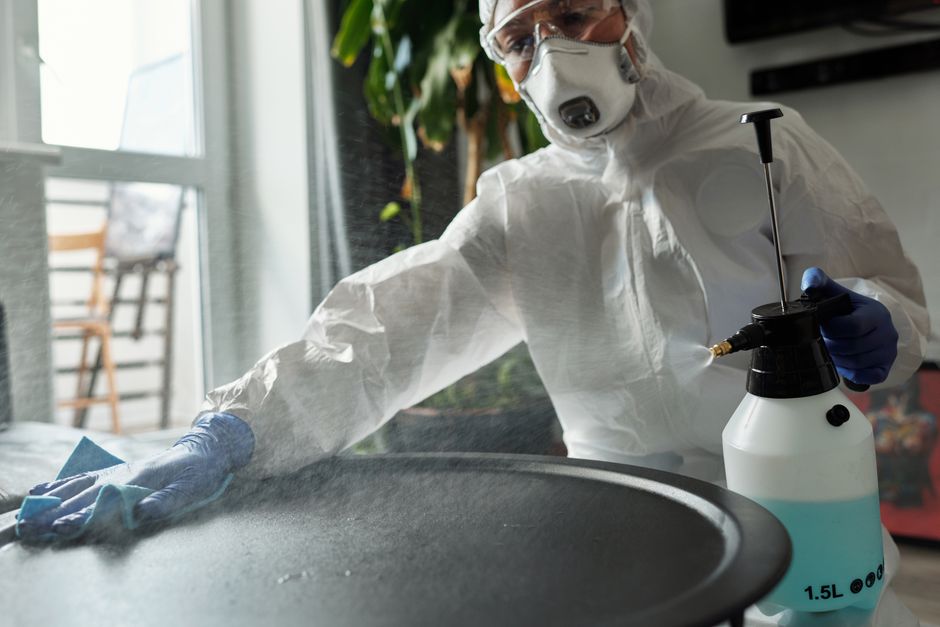
Step 1: Define the Target Pathogens and Use Case
Before you look at any label or test report, clarify what you need the disinfectant to accomplish. Efficacy is always relative to a specific microorganism, contact time, and surface. A product that destroys norovirus may be ineffective against Clostridioides difficile spores.
Key questions to answer
- Which pathogens pose the greatest risk in your environment? (e.g., SARS-CoV-2, MRSA, Salmonella, Candida auris)
- What types of surfaces will be treated? (hard non-porous, porous, food-contact)
- What is the acceptable contact time given your workflow?
- Are there organic soil, biofilm, or water hardness challenges?
Documenting these requirements creates a benchmark against which every candidate product can be measured.

Step 2: Review Regulatory Registrations and Claims
In most countries, disinfectants are regulated as pesticides or biocides. In the United States, the Environmental Protection Agency (EPA) registers disinfectants and approves specific label claims. In the European Union, products may carry EN test standards such as EN 1276, EN 13697, or EN 14476.
What to check on the label
- EPA registration number or equivalent national approval
- Listed kill claims for each pathogen
- Required contact time for each claim
- Use dilution and application method
- Safety and first-aid information
A product with a broad kill claim but a 10-minute contact time may be impractical for high-traffic areas. Always match label claims to your operational reality.
Step 3: Understand the Science Behind Efficacy Testing
Efficacy testing follows standardized methods to ensure reproducibility. Common tests include suspension tests, carrier tests, and surface tests. Each answers a different question.
| Test Type | What It Measures | Typical Standard |
|---|---|---|
| Suspension test | Kill rate in liquid culture | EN 1276, AOAC 955.14 |
| Carrier test | Kill rate on a hard surface with organic soil | EN 13697, AOAC 991.47 |
| Virucidal test | Inactivation of viruses | EN 14476, ASTM E1053 |
| Sporicidal test | Kill of bacterial spores | EN 13704, AOAC 966.04 |
Log reduction is the key metric. A 3-log reduction means 99.9% of the target organism is killed; 5-log means 99.999%; 6-log means 99.9999%. For high-risk settings, look for at least 5-log or 6-log reduction against the pathogens of concern.
Step 4: Evaluate Real-World Factors That Affect Performance
Laboratory efficacy does not always translate to field performance. Several variables can reduce kill rates dramatically.
Contact time
Disinfectants need time to work. If a surface dries before the required contact time elapses, efficacy drops. Choose products with contact times that fit your staffing and workflow, or adjust application methods.
Concentration
Dilution errors are common. Use calibrated dispensing systems and verify concentrations with test strips or titration kits. Over-dilution weakens the solution; under-dilution wastes product and may leave harmful residues.
Organic soil
Blood, food residue, and biofilm can inactivate many disinfectants. Pre-cleaning is essential. In high-soil environments, consider products formulated to tolerate organic load, such as accelerated hydrogen peroxide or quaternary ammonium blends with enhanced surfactants.
Surface compatibility
Some disinfectants corrode metals, degrade plastics, or bleach fabrics. Test on a small area and review compatibility charts before broad implementation.
Water quality
Hard water can reduce the efficacy of quaternary ammonium compounds. If your facility has hard water, look for formulations designed to perform in that condition or use softened water.
Step 5: Conduct In-House Verification Testing
After selecting a product based on label claims and lab data, verify its performance in your actual environment. This step is often overlooked but provides the most reliable evidence.
Practical verification methods
- ATP swabs: Measure organic soil and microbial ATP before and after disinfection. A significant reduction indicates effective cleaning.
- Microbial surface sampling: Use contact plates or swabs to quantify viable organisms on high-touch surfaces.
- Fluorescent markers: Apply a gel or powder to surfaces, then check for removal after cleaning to assess coverage and technique.
Establish a baseline, then repeat testing at intervals. Document results to identify trends and areas needing retraining.
Step 6: Compare Products Using a Decision Matrix
Create a scoring system to compare disinfectants objectively. Weight criteria based on your priorities.
| Criterion | Weight | Product A | Product B |
|---|---|---|---|
| Kill claims for target pathogens | 25% | 5 | 4 |
| Contact time | 20% | 4 | 5 |
| Material compatibility | 15% | 3 | 5 |
| Cost per use | 15% | 4 | 3 |
| Safety profile | 15% | 5 | 4 |
| Ease of use | 10% | 3 | 5 |
This structured approach reduces bias and helps stakeholders agree on the best choice.
Step 7: Train Staff and Monitor Compliance
Even the most effective disinfectant fails if it is not applied correctly. Training should cover:
- Proper dilution and mixing
- Required contact time and application technique
- Personal protective equipment (PPE) use
- Cleaning sequence (top to bottom, clean to dirty)
- Storage and shelf-life
Use audits, checklists, and refresher sessions to maintain compliance. Track infection rates or contamination levels to confirm that the program delivers the intended results.
Step 8: Document and Re-Evaluate Regularly
Efficacy evaluation is not a one-time event. Pathogens evolve, products change, and facility needs shift. Review your disinfectant program at least annually or whenever:
- A new pathogen emerges
- An outbreak occurs
- A product formulation changes
- Regulations are updated
- Staff feedback indicates usability issues
Keep records of test reports, verification results, and training logs. This documentation supports regulatory inspections and continuous improvement.
Common Pitfalls to Avoid
- Relying solely on marketing claims without reviewing test data
- Ignoring contact time in favor of faster drying
- Using the same disinfectant for all surfaces and pathogens
- Failing to pre-clean before disinfection
- Skipping in-house verification
- Neglecting staff training and turnover
Final Thoughts
Evaluating disinfectant efficacy is a systematic process that combines regulatory knowledge, scientific understanding, and real-world verification. By following these steps, you can select products that genuinely reduce microbial risk, optimize costs, and protect public health. Remember that efficacy is not just a number on a label—it is the result of correct product choice, proper application, and consistent monitoring. Build your program with care, and your disinfection efforts will deliver measurable, reliable results.