 English
 简体中文
 Русский
 Español
 Deutsch
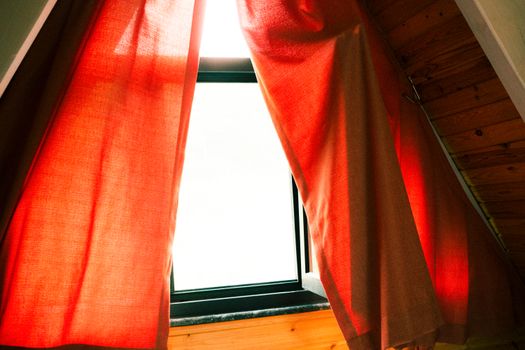

Cotton vs Polyester Curtains for Heat Insulation
When homeowners search for curtains that keep rooms cooler in summer and warmer in winter, two fabrics dominate the conversation: cotton and polyester. Both are widely available, affordable, and easy to style, but they behave very differently when it comes to thermal performance. This guide compares cotton and polyester curtains for heat insulation, breaks down the key features in easy-to-read tables, and gives a clear recommendation based on real-world use.

Why Fabric Choice Matters for Heat Insulation
Curtains insulate in three main ways: they block radiant heat from the sun, they trap a layer of still air between the fabric and the window, and they reduce air movement near drafts. The denser, thicker, and more tightly woven the fabric, the better it performs. Fabric content also affects how curtains react to moisture, fading, shrinkage, and cleaning.
Cotton and polyester take opposite approaches. Cotton is a natural fiber that breathes well and feels substantial. Polyester is a synthetic fiber that can be engineered for density, coating, and shape retention. Neither is automatically “better” — the right choice depends on your climate, budget, and how much maintenance you are willing to do.
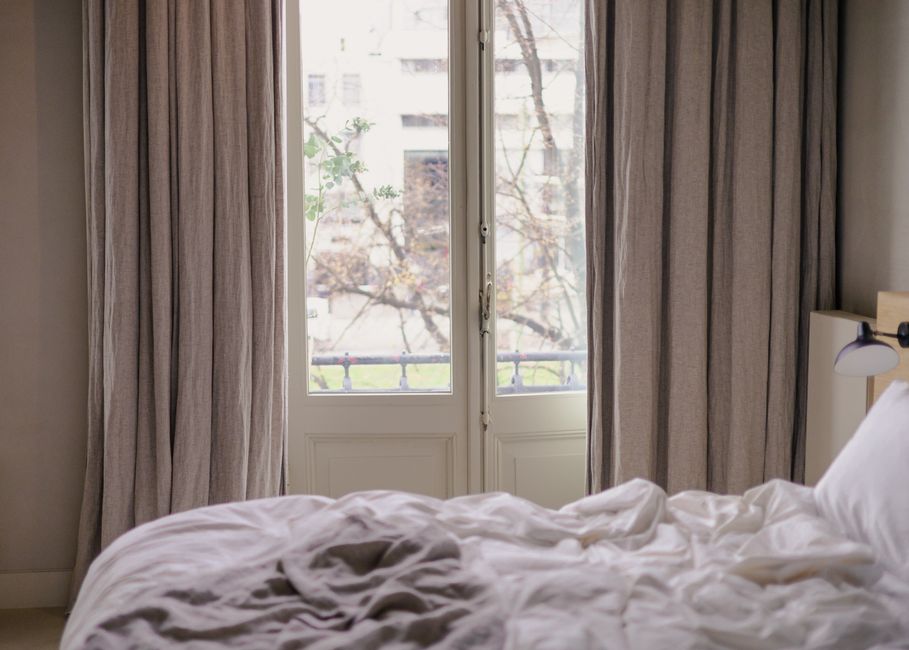
Quick Comparison: Cotton vs Polyester Curtains
| Feature | Cotton Curtains | Polyester Curtains |
|---|---|---|
| Thermal insulation | Moderate; improves with lining and tight weave | High; dense weaves and thermal coatings block heat well |
| Blackout capability | Requires separate blackout lining | Often built-in with triple-weave or coated fabric |
| Breathability | Excellent; natural airflow | Lower; can trap humidity if unlined |
| Durability | Good but can shrink and wrinkle | Excellent; resists stretching and shrinking |
| Fade resistance | Moderate; colors may soften over time | High; UV-resistant treatments common |
| Cleaning | Machine washable, may need ironing | Machine washable, wrinkle-resistant |
| Cost | Moderate to high for quality cotton | Low to moderate |
| Look and feel | Soft, matte, natural texture | Smooth, uniform, can look synthetic |
How Cotton Curtains Perform in Heat Insulation
Cotton is a natural cellulosic fiber with a moderate ability to block heat. On its own, a standard cotton curtain reduces solar heat gain by a modest amount — typically less than a dedicated thermal curtain. However, cotton performs much better when paired with a lining.
Strengths of Cotton for Thermal Control
- Breathability: Cotton allows air to circulate, which helps prevent a stuffy feeling in humid rooms.
- Layering potential: Cotton drapes beautifully over blackout or thermal liners, creating a natural look with added insulation.
- Weight: Medium-to-heavy cotton hangs straight and reduces gaps where heat can escape.
- Non-toxic feel: Many buyers prefer natural fibers in bedrooms and nurseries.
Weaknesses of Cotton for Heat Insulation
- Without a liner, insulation is only average.
- Cotton can shrink after washing, altering the fit at the window.
- It wrinkles easily, which can create small air channels.
- Prolonged direct sun may fade dyes and weaken fibers.
How Polyester Curtains Perform in Heat Insulation
Polyester is the workhorse of thermal curtains. Manufacturers can weave it tightly, add acrylic foam backing, or use triple-weave construction to create a dense barrier. This is why most “energy-saving” or “blackout” curtains on the market are polyester or a polyester blend.
Strengths of Polyester for Thermal Control
- High insulation value: Dense polyester blocks radiant heat and reduces drafts effectively.
- Built-in blackout: Triple-weave polyester can block 90–99% of light and heat without a separate liner.
- Dimensional stability: It resists shrinking, stretching, and sagging.
- Easy care: Wrinkle-resistant and quick-drying.
- Cost-effective: Thermal performance is available at lower price points.
Weaknesses of Polyester for Heat Insulation
- Less breathable, which can trap humidity in poorly ventilated rooms.
- Lower-quality polyester may feel thin or plastic-like.
- Some coated versions require gentle washing to protect the thermal backing.
- Static and dust attraction can be an issue in dry climates.
Head-to-Head: Thermal Performance by Scenario
| Scenario | Better Choice | Why |
|---|---|---|
| West-facing window with harsh afternoon sun | Polyester | Dense weave and UV resistance handle radiant heat and fading |
| Bedroom needing total darkness and coolness | Polyester | Built-in blackout and thermal coating |
| Humid climate with good ventilation | Cotton | Breathability reduces moisture buildup |
| Living room where style matters most | Cotton | Natural texture and drape |
| Rental apartment on a budget | Polyester | Low cost, easy care, strong insulation |
| Nursery or allergy-sensitive room | Cotton | Natural fiber, fewer synthetic treatments |
Can You Combine Cotton and Polyester?
Yes — and it is often the smartest approach. A cotton-polyester blend gives you the soft hand and breathability of cotton with the durability and shape retention of polyester. For maximum heat insulation, choose a cotton face fabric with a polyester blackout lining, or a polyester thermal curtain with a cotton-look finish.
Another option is layering: sheer cotton curtains closest to the glass for daytime privacy, plus heavy polyester thermal curtains for night. This combination traps an extra pocket of air and can improve insulation noticeably.
What to Look For When Buying Thermal Curtains
- Weave density: Tightly woven fabrics insulate better than loose ones.
- Lining: A separate thermal or blackout lining dramatically boosts performance.
- Weight: Heavier curtains hang with fewer gaps.
- Length: Floor-length or sill-length curtains with minimal gaps work best.
- Installation: A wrap-around rod or ceiling-mounted track reduces heat leakage at the top.
- Care label: Check whether the thermal coating survives machine washing.
Final Recommendation
If your primary goal is heat insulation, polyester curtains are the better choice. They offer higher thermal resistance, built-in blackout options, superior fade and shrink resistance, and a lower price for the same level of performance. For most homes facing hot summers or cold winters, a dense polyester thermal curtain — ideally with a triple-weave or foam-backed construction — delivers the best return on investment.
Choose cotton curtains if you prioritize natural materials, breathability, and a soft designer look, and you are willing to add a thermal lining. Cotton can perform well, but it needs help to match polyester’s insulation.
For the best of both worlds, consider a cotton-polyester blend or a layered setup: cotton for beauty, polyester for thermal protection. That way, your windows look great and your energy bills stay under control.