
 English
 简体中文
 Русский
 Español
 Deutsch

How to Clean Fabric Curtains Without Shrinking
Fabric curtains are one of the most visible and functional elements in any room. They filter light, insulate windows, add color and texture, and can completely transform the mood of a space. But after months of exposure to dust, cooking fumes, sunlight, and indoor humidity, they inevitably collect dirt and odors. The problem? Most people avoid cleaning their curtains because they are terrified of shrinkage, fading, or damaging delicate fibers. The good news is that with the right knowledge and a careful approach, you can clean almost any fabric curtain without shrinking it.
This comprehensive guide walks you through everything you need to know: identifying your curtain fabric, reading care labels, choosing between washing and dry cleaning, hand-washing techniques, drying methods that prevent shrinkage, and how to handle stubborn stains. By the end, you will be able to refresh your curtains safely and confidently.
Why Do Curtains Shrink in the First Place?
Shrinkage happens when fabric fibers are exposed to heat, moisture, and agitation. Natural fibers such as cotton, linen, and wool are especially prone to shrinking because they absorb water and swell. When they dry, especially under high heat, the fibers contract and the fabric becomes smaller and sometimes distorted.
Synthetic fabrics like polyester, nylon, and acrylic are more resistant to shrinkage, but they can still warp or melt under high temperatures. Blended fabrics behave unpredictably depending on the ratio of natural to synthetic fibers. The key takeaway is simple: the gentler the cleaning process, the less likely your curtains are to shrink.
Common Causes of Curtain Shrinkage
- Hot water: Heat causes natural fibers to contract.
- High heat drying: Tumble drying on high is the number one cause of shrinkage.
- Agitation: Vigorous washing machine cycles can felt or distort fibers.
- Improper detergent: Harsh chemicals can break down fibers over time.
- Wringing: Twisting wet curtains can stretch and misshape them.
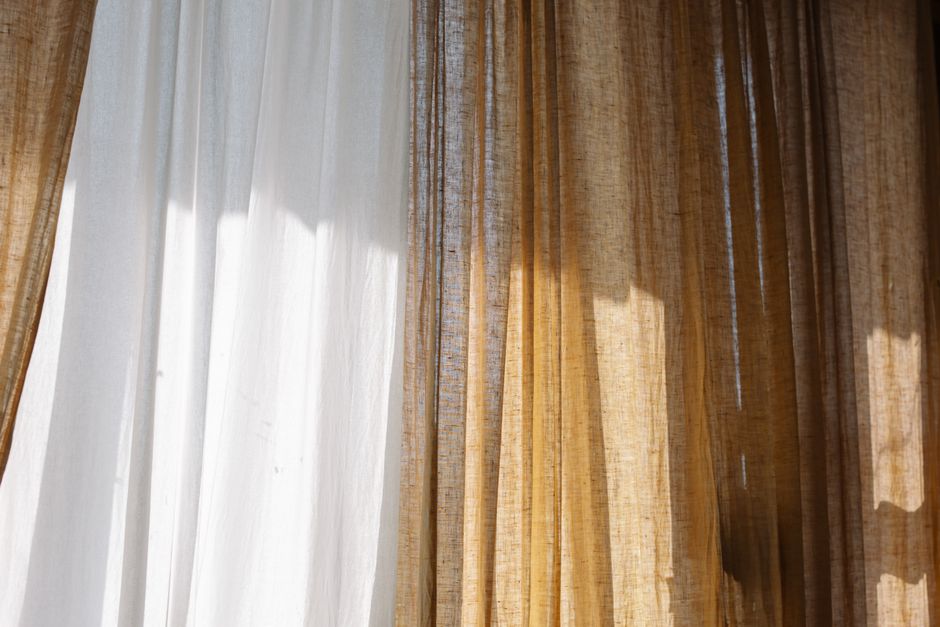
Step 1: Identify Your Curtain Fabric
Before you do anything, determine what your curtains are made of. Check the care label sewn into the curtain or the packaging if you still have it. If there is no label, use your best judgment based on texture and appearance. Here is a quick reference table:
| Fabric Type | Shrink Risk | Recommended Cleaning Method |
|---|---|---|
| Cotton | High | Cold hand wash or dry clean |
| Linen | High | Dry clean or cold hand wash, air dry |
| Polyester | Low | Machine wash cold, low tumble dry |
| Silk | Medium-High | Dry clean only |
| Velvet | Medium | Dry clean or gentle hand wash |
| Wool | High | Dry clean only |
| Blends | Variable | Follow the most delicate fiber's care instructions |
When in doubt, always err on the side of caution. Dry cleaning is the safest option for expensive, lined, or delicate curtains, but it is not always necessary. Many curtains can be safely hand-washed or even machine-washed on a gentle cycle.
Step 2: Read the Care Label Carefully
Care labels use standardized symbols that tell you exactly how to treat the fabric. Here is what the most common symbols mean:
- Washtub with a number: Maximum washing temperature in degrees Celsius.
- Washtub with a hand: Hand wash only.
- Circle: Dry clean only.
- Square with a circle: Tumble dry allowed.
- Iron symbol: Ironing temperature and whether steam is allowed.
- Triangle: Bleach is permitted.
If the label says "dry clean only," respect it. Trying to wash a dry-clean-only curtain at home can ruin it permanently. If the label says "machine wash cold," you are in luck. Always follow the most conservative instruction on the label.
Step 3: Pre-Cleaning Preparation
Proper preparation prevents shrinkage and damage. Follow these steps before any washing method:
- Remove all hardware: Take down hooks, rings, clips, and tiebacks. Metal hardware can rust and stain fabric, and plastic pieces can crack in the wash.
- Vacuum or shake out dust: Use a vacuum brush attachment or shake curtains outdoors to remove loose dust and pet hair.
- Spot test: Test your cleaning solution on a hidden corner or the back hem to check for color bleeding or damage.
- Check for stains: Treat stains before washing so you do not set them with heat.
- Measure your curtains: Record the current length and width so you can compare after cleaning and confirm no shrinkage occurred.
Step 4: Choose the Right Cleaning Method
Machine Washing (For Durable Fabrics)
Polyester, cotton blends, and sturdy synthetics can often be machine washed. Use the following settings to minimize shrinkage:
- Cold water only (30°C or below).
- Delicate or gentle cycle.
- Low spin speed.
- Mild liquid detergent, no bleach unless the label permits it.
- Wash curtains separately or with similar colors and lightweight items.
Never overload the machine. Curtains need room to move, and an overcrowded drum causes excessive friction and creasing.
Hand Washing (Safest for Natural Fibers)
Hand washing is the gentlest method and the best choice for cotton, linen, and blends. Fill a bathtub or large basin with cool water and a small amount of mild detergent. Submerge the curtains and gently knead them with your hands. Let them soak for 10 to 15 minutes, then rinse with cool water until no suds remain. Do not wring or twist the fabric.
Dry Cleaning (For Delicate or Lined Curtains)
Silk, wool, velvet, and lined curtains should generally be dry cleaned. Dry cleaning uses solvents instead of water, so shrinkage is minimal. It is also the best option for curtains with intricate embroidery, beading, or blackout coatings.
Steam Cleaning (For Light Refreshing)
If your curtains are only slightly dusty or wrinkled, a handheld steam cleaner can refresh them without full washing. Steam relaxes fibers, kills dust mites, and removes odors. Hold the steamer several inches away from the fabric and keep it moving to avoid water spots.
Step 5: Drying Without Shrinking
Drying is where most shrinkage happens, so this step deserves extra attention.
- Air dry whenever possible: Hang curtains back on the rod or lay them flat on a clean towel. Air drying at room temperature is the safest method.
- Avoid direct sunlight: Sunlight can fade colors and dry fibers too quickly, causing stiffness.
- Use low heat if tumble drying: If you must use a dryer, choose the lowest heat setting and remove curtains while slightly damp.
- Do not overdry: Overdrying is a major cause of shrinkage. Check curtains every 10 minutes.
- Reshape while damp: Gently stretch curtains back to their original dimensions before hanging.
Hanging curtains to dry vertically also helps them retain their shape and reduces the need for ironing.
Step 6: Ironing and Finishing
Iron curtains while they are still slightly damp, using the temperature setting recommended on the care label. For delicate fabrics, place a clean cotton cloth between the iron and the curtain. Steam irons work well for cotton and linen, but avoid steam on silk and velvet. Hang curtains immediately after ironing so they can finish drying in place.
How to Handle Stubborn Stains
Different stains require different treatments. Always blot, never rub, and work from the outside of the stain inward to prevent spreading.
| Stain Type | Treatment |
|---|---|
| Dust and grime | Vacuum with brush attachment, then wash as normal |
| Grease or cooking oil | Apply a drop of dish soap, let sit 10 minutes, rinse with cool water |
| Mildew | Mix equal parts white vinegar and water, dab gently, then wash |
| Ink | Dab with rubbing alcohol on a cotton swab |
| Pet stains | Use an enzyme cleaner, then wash with mild detergent |
Preventing Shrinkage: Pro Tips
- Always use cold water, regardless of fabric type.
- Skip the dryer whenever possible.
- Buy curtains that are labeled pre-shrunk or washable.
- Add a fabric softener or conditioner to relax fibers.
- Wash curtains at least twice a year to prevent heavy soil buildup.
- Consider professional cleaning for valuable or antique curtains.
- Test a small hidden area before full cleaning.
- Never use hot water on natural fibers.
Frequently Asked Questions
Can I wash curtains in the washing machine without shrinking them?
Yes, if the care label allows machine washing. Use cold water, a gentle cycle, mild detergent, and low-heat drying. Synthetic and blended fabrics tolerate machine washing best.
How do I dry curtains without a dryer?
Hang them back on the curtain rod or lay them flat on a clean towel in a well-ventilated room. Avoid direct sunlight and turn them occasionally for even drying.
What should I do if my curtains shrink anyway?
Try soaking them in cool water with a capful of fabric conditioner, then gently stretch them back to size and air dry. This works for mild shrinkage but not severe cases.
How often should fabric curtains be cleaned?
Most curtains should be cleaned every 3 to 6 months. Curtains in kitchens, bathrooms, or homes with pets may need more frequent cleaning.
Final Thoughts
Cleaning fabric curtains without shrinking them is entirely achievable when you respect the fabric, use cold water, avoid high heat, and dry gently. Start by identifying your curtain material and reading the care label. Choose the gentlest cleaning method that will get the job done, and always air dry when possible. With the steps outlined in this guide, your curtains will stay fresh, beautiful, and true to size for years to come.