
 English
 简体中文
 Русский
 Español
 Deutsch


Why Fabric Curtains Matter in a Living Room
Fabric curtains are more than a finishing touch. In a living room, they control natural light, insulate windows, absorb sound, and set the tone for the entire space. Choosing the right fabric curtains can make a small room feel larger, a cold room feel warmer, and a plain room feel polished. Choosing the wrong ones can make a room feel heavy, dark, or visually cluttered.
This guide walks you through every decision you need to make, from fabric type and lining to measurements and hardware, so you can choose fabric curtains with confidence.

Start With the Function of the Room
Before you fall in love with a color or pattern, define what the curtains need to do. Living rooms serve many purposes, and your curtains should support all of them.
- Light control: Do you watch movies during the day or need to block harsh afternoon sun? You may need blackout or dim-out curtains.
- Privacy: Street-facing windows need fuller coverage, especially at night.
- Insulation: Heavy fabrics with thermal lining reduce heat loss in winter and keep rooms cooler in summer.
- Acoustics: Thick, layered fabrics soften echoes in open-plan spaces.
- Style: Curtains are one of the largest fabric surfaces in a room, so they strongly influence the design.
Write down your top two priorities. Every later decision should serve those priorities.
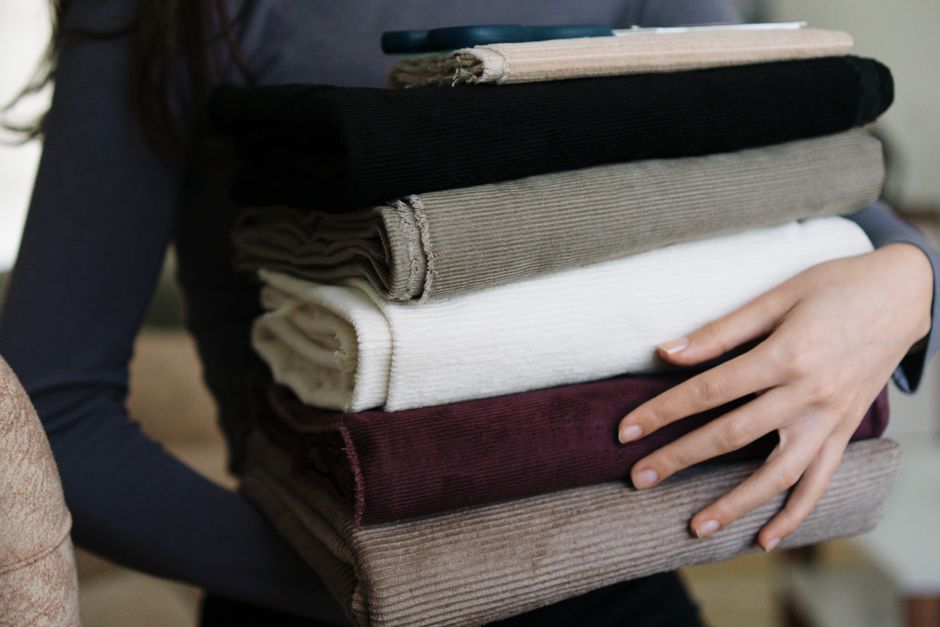
Understanding Fabric Types
The fabric you choose affects drape, durability, maintenance, and light filtration. Here are the most common options for living room curtains.
| Fabric | Best For | Drape | Maintenance |
|---|---|---|---|
| Linen | Relaxed, natural, airy rooms | Soft, casual | Dry clean or gentle wash |
| Cotton | Versatile everyday curtains | Medium, crisp | Machine washable |
| Velvet | Luxury, warmth, sound absorption | Heavy, rich | Dry clean recommended |
| Silk | Elegant formal living rooms | Fluid, glossy | Dry clean only |
| Polyester blends | Budget-friendly, low maintenance | Varies | Machine washable |
| Sheer (voile, chiffon) | Layering, privacy without darkness | Light, floating | Hand wash or gentle cycle |
Linen
Linen has a beautiful natural texture and a relaxed elegance. It filters light softly and works well in coastal, rustic, and modern interiors. Pure linen wrinkles, which many people love but others find untidy. Linen blends with cotton or polyester reduce wrinkling while keeping the look.
Cotton
Cotton is breathable, affordable, and easy to clean. It holds color well and suits almost any style. Heavier cotton canvas drapes beautifully and offers good privacy. Lighter cotton is a good base layer under sheers.
Velvet
Velvet is the go-to choice for a cozy, upscale living room. It blocks light, insulates, and absorbs sound. Cotton velvet is more matte and durable, while silk velvet is glossier and more delicate. Velvet shows marks, so consider it for low-traffic living rooms.
Silk
Silk reflects light and adds a subtle sheen that feels luxurious. It is best for formal spaces and often used with a lining to protect the fabric from sunlight. Silk requires professional cleaning and is not ideal for homes with pets or young children.
Polyester and Blends
Modern polyester curtains can mimic linen, silk, and velvet at a fraction of the cost. They resist fading, wrinkles, and shrinking, making them a practical choice for busy households and sunny windows.
Sheers
Sheers are rarely used alone in a living room. Instead, pair them with a heavier outer curtain. This double-layer approach gives you flexible light control: sheers closed for daytime privacy, heavy curtains drawn at night.
Choose the Right Weight and Opacity
Opacity describes how much light passes through the fabric. It is separate from color, though darker colors naturally block more light.
- Sheer: 10–30% light blockage. Best as a layer.
- Light-filtering: 40–70% blockage. Softens glare while keeping the room bright.
- Room-darkening: 80–95% blockage. Great for media rooms and daytime naps.
- Blackout: 99%+ blockage with a coated or tightly woven backing.
For most living rooms, light-filtering curtains with a separate blackout lining offer the best flexibility. You get a bright, welcoming space during the day and full darkness when you need it.
Pick a Color and Pattern That Works With the Room
Curtains should relate to the room, not fight it. Use these guidelines:
- Neutral walls: Choose curtains one or two shades deeper than the wall for a seamless, taller look.
- Bold walls: Keep curtains neutral or match the wall color to avoid visual noise.
- Small rooms: Hang curtains in the same tone as the walls to blur boundaries and make the space feel bigger.
- Patterned curtains: Balance with solid upholstery. A large floral or geometric print becomes the focal point.
- Accent colors: Pull a secondary color from your rug, art, or cushions to tie the room together.
Remember that light changes fabric color. A swatch that looks warm in the store may look cool near a north-facing window. Always check samples in your own room at different times of day.
Measure Correctly for a Polished Look
Poor measurements ruin even the most beautiful fabric. Follow these steps.
Width
For a full, luxurious drape, the total curtain width should be 2 to 2.5 times the width of the window or rod. For a flatter, more minimal look, 1.5 times is the minimum. Measure the full rod width, not just the glass, and add extra for overlap in the center.
Length
Decide on a style before measuring:
- Sill length: Ends just above the windowsill. Practical for high-traffic areas.
- Below sill: Ends 2–4 inches below the sill. A classic, safe choice.
- Floor length: Ends just touching the floor. Elegant and formal.
- Puddle: Extra fabric pools on the floor. Dramatic but collects dust.
Hanging Height
Hang the rod 4–6 inches above the window frame, or higher if you want to emphasize ceiling height. Extend the rod 6–12 inches beyond each side of the frame so curtains can stack clear of the glass and let in maximum light.
Choose the Right Header and Hardware
The header is the top of the curtain where it attaches to the rod. It affects the style and how the fabric folds.
- Pinch pleat: Formal, tailored, and space-efficient.
- Pencil pleat: Versatile and slightly more relaxed.
- Grommet (eyelet): Modern with even, wave-like folds. Easy to slide.
- Rod pocket: Simple and clean but harder to open and close.
- Tab top: Casual, best for lightweight fabrics.
Match the rod to the room's style. Metal rods suit modern and industrial spaces, while wood rods work well in traditional and rustic rooms. Add finials for a finished look, and use brackets every 30–36 inches for heavy fabrics.
Consider Linings and Interlinings
Lining is a separate layer sewn to the back of the curtain. It is one of the most overlooked upgrades, yet it delivers major benefits:
- Protects the main fabric from sun fading.
- Improves insulation and reduces energy bills.
- Adds weight for better drape.
- Provides blackout or thermal performance.
- Reduces noise in busy living rooms.
Interlining is an extra layer of flannel or felt between the fabric and lining. It adds body and warmth, ideal for large windows and cold climates.
Think About Maintenance and Longevity
Before buying, check the care label. Dry-clean-only fabrics are costly to maintain, so factor that into your budget. Vacuum curtains monthly with a brush attachment, and rotate them occasionally if one side faces direct sun. For washable fabrics, follow the manufacturer's temperature and drying instructions to avoid shrinkage.
Budgeting for Fabric Curtains
Curtain costs vary widely based on fabric, size, lining, and whether they are custom or ready-made. Custom curtains offer a perfect fit and premium fabrics but cost significantly more. Ready-made curtains are affordable and quick, though you may need to hem them. A good compromise is buying ready-made panels in a high-quality fabric and having them tailored locally.
Final Checklist Before You Buy
- Confirm your top priorities: light control, privacy, insulation, or style.
- Order fabric samples and view them in your room at different times.
- Measure width and length carefully, accounting for stack-back and overlap.
- Decide on header style and hardware before ordering.
- Add lining or interlining for performance and longevity.
- Check care instructions against your lifestyle.
- Set a realistic budget that includes rods, rings, and possible tailoring.
When you take the time to match fabric, function, and fit, fabric curtains become one of the most rewarding investments in your living room. They frame your view, soften your space, and make every hour you spend at home feel more comfortable.