 English
 简体中文
 Русский
 Español
 Deutsch
1. Blackout Polyester: The Undisputed Champion of Light Blocking
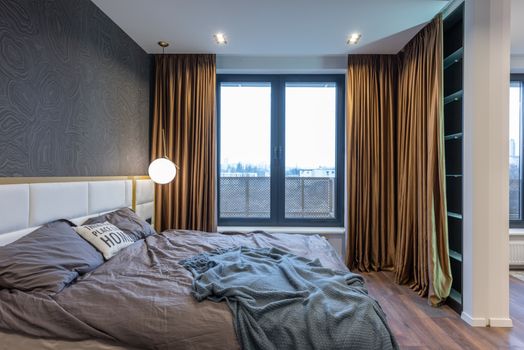
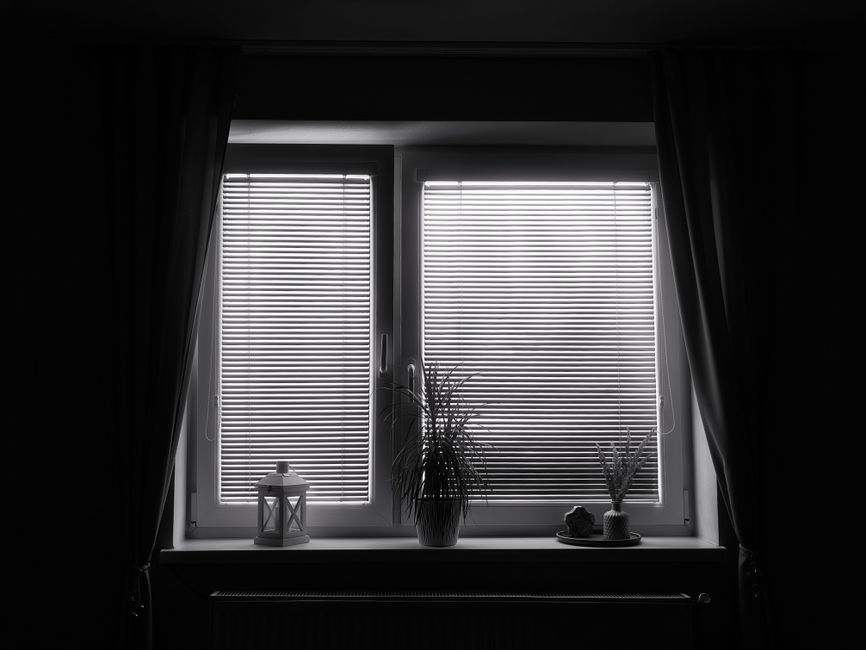
Blackout polyester is the most popular choice for anyone who needs to completely eliminate light from a room. These fabrics are woven tightly and often feature a special coating or a triple-weave construction that blocks 99% to 100% of incoming light. Unlike older blackout linings that felt stiff and plastic-like, modern blackout polyester can be soft, supple, and even textured to mimic the look of natural fibers.
One of the biggest advantages of blackout polyester is its versatility. It can be dyed in virtually any color, printed with patterns, and treated for additional benefits like thermal insulation, noise reduction, and moisture resistance. It is also machine washable in many cases, making it a practical choice for bedrooms, nurseries, and home theaters.
When shopping, look for terms like "100% blackout" or "total blackout." Some products labeled "room darkening" only block 80% to 95% of light, which may not be enough for shift workers or anyone sensitive to early morning sun. Also check whether the blackout layer is integrated or separate—integrated versions tend to drape more cleanly.
2. Velvet: Luxurious Light Control with a Soft Touch
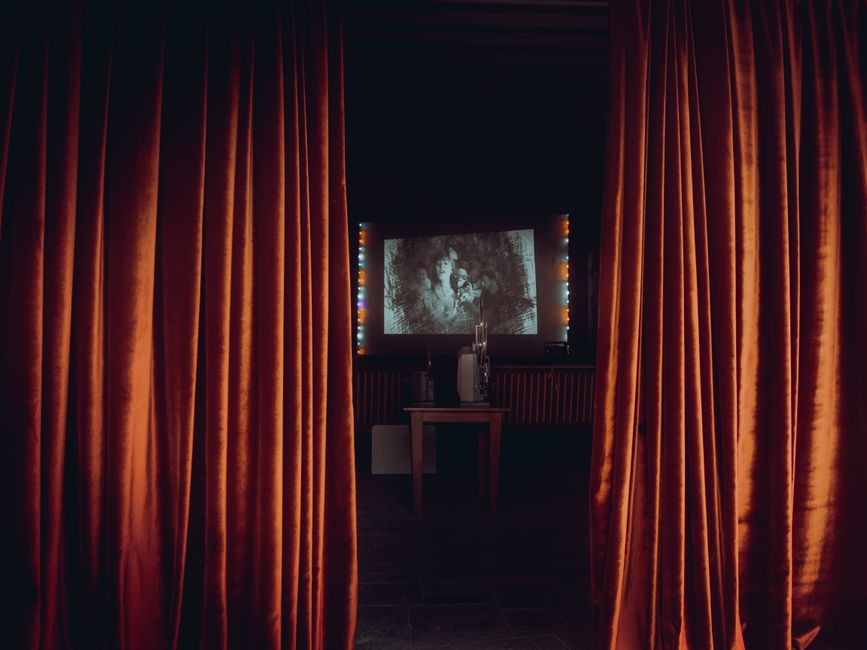
Velvet curtains are a classic choice for blocking light because their dense, plush pile naturally absorbs and deflects illumination. A heavyweight velvet curtain can block up to 90% of light on its own, and when paired with a blackout lining, it becomes nearly opaque. The thick fabric also provides excellent insulation against drafts and outside noise.
Beyond performance, velvet adds a sense of luxury and warmth to a room. It comes in a wide range of colors, from deep jewel tones to soft pastels, and its rich texture creates a dramatic focal point. However, velvet requires more care than synthetic fabrics—it often needs dry cleaning and can attract dust, so regular vacuuming with a brush attachment is recommended.
For the best light-blocking results, choose a velvet with a high pile density and a heavy weight (around 300 GSM or more). Cotton velvet and polyester velvet are both good options; polyester velvet tends to be more affordable and easier to clean, while cotton velvet offers a more natural, breathable feel.
3. Triple-Weave Fabric: Innovation in Light Blocking
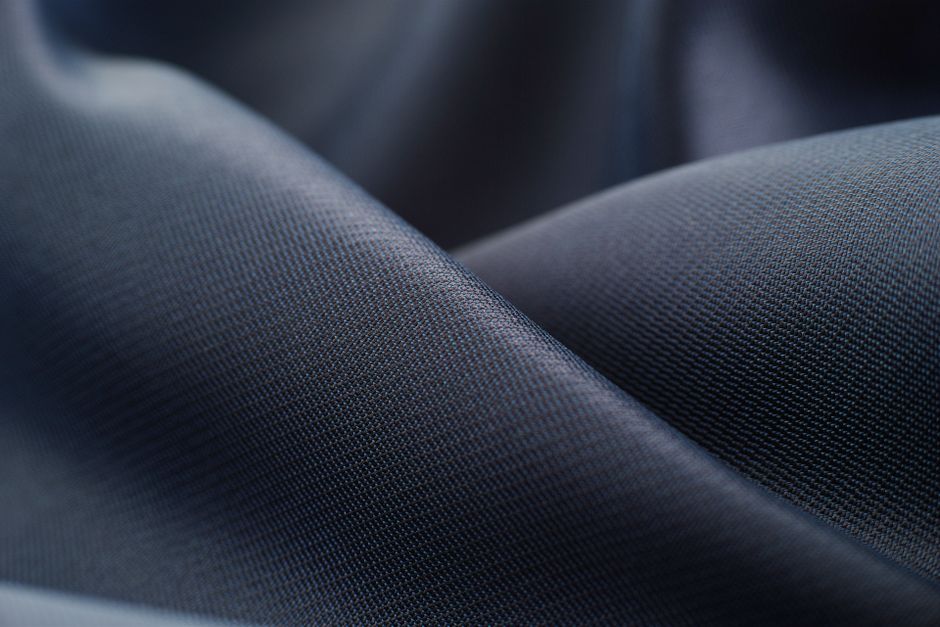
Triple-weave fabric, sometimes called three-pass blackout, uses three layers of woven yarns—often a colored outer layer, a black inner layer, and another colored outer layer—to block light without any chemical coating. This construction makes it a favorite for people who want a more natural, breathable blackout option that won't crack or peel over time.
Because there is no coating, triple-weave curtains are less likely to develop a plastic smell or become stiff. They are also generally safe for children's rooms and are often OEKO-TEX certified, meaning they are free from harmful substances. The trade-off is that they may not block quite as much light as coated blackout fabrics, typically achieving 95% to 99% blockage.
Triple-weave fabrics are available in a variety of colors and patterns, and they tend to drape beautifully. They are a great middle-ground option for bedrooms, living rooms, and media rooms where you want strong light control without sacrificing style or breathability.
4. Linen with Blackout Lining: Natural Look, Serious Performance
Pure linen curtains are beautiful and breathable, but on their own they only block about 50% of light. The solution is to pair linen with a separate blackout lining, which can be sewn in or attached via hooks. This combination gives you the natural, textured look of linen with the light-blocking power of a synthetic blackout layer.
Linen is ideal for those who want an earthy, relaxed aesthetic. It softens a room and works well in both modern and traditional interiors. The added lining also improves thermal insulation and protects the linen from fading caused by UV rays. Just keep in mind that linen wrinkles easily, so you may need to steam or iron it regularly.
When choosing a linen-blackout combo, look for a lining that is tightly woven and labeled as blackout or dim-out. Some manufacturers offer "linen-look" polyester with a built-in blackout coating, which is a lower-maintenance alternative that still delivers a natural appearance.
5. Cotton Canvas: Durable and Effective for Moderate Light Blocking
Cotton canvas is a heavyweight, tightly woven fabric that can block a significant amount of light—usually around 70% to 85%—without any lining. Its thick, sturdy nature also makes it excellent for insulation and sound absorption. While it may not achieve total blackout on its own, it is a great choice for rooms where you want to reduce glare and heat without creating a completely dark environment.
Cotton canvas is durable, easy to sew, and available in a wide range of neutral and bold colors. It can be washed and dried, though it may shrink slightly, so pre-washing is recommended if you plan to make your own curtains. For better light blocking, choose a darker color and add a blackout liner.
This fabric works well in living rooms, dining rooms, and home offices. It has a more casual, structured look than velvet or silk, making it a versatile option for many interior styles.
6. Polyester-Cotton Blends: Affordable and Practical
Polyester-cotton blends offer a balance of affordability, durability, and light-blocking performance. The polyester content adds strength and resistance to wrinkles, while the cotton provides a softer, more natural feel. These blends typically block 60% to 80% of light, depending on the weave and color, and can be paired with a blackout liner for near-total darkness.
One of the main benefits of poly-cotton blends is easy care. They are usually machine washable and quick-drying, making them a smart choice for high-traffic areas or rental properties. They also resist fading and shrinking better than pure cotton. However, they may not have the luxurious drape of velvet or the natural texture of linen.
For budget-conscious shoppers who still want decent light control, a poly-cotton blend with a separate blackout panel is a solid option. Look for a tight weave and a medium-to-heavy weight for the best results.
7. Silk with Interlining: Elegant Light Blocking for Formal Spaces
Silk is a luxurious, lightweight fabric that on its own blocks very little light. However, when silk curtains are interlined with a heavy cotton flannel or blackout lining, they become surprisingly effective at blocking light while maintaining their elegant drape and sheen. This is a common technique in high-end interior design for formal living rooms, dining rooms, and master bedrooms.
The interlining adds body and opacity, helping the silk hang beautifully while reducing light penetration. Silk is also naturally temperature-regulating and hypoallergenic, though it is delicate and usually requires professional dry cleaning. It is best suited for rooms where aesthetics are as important as function.
If you love the look of silk but need maximum darkness, consider a silk-blend fabric with a built-in blackout layer. These offer the beauty of silk with the performance of modern blackout technology, though they come at a higher price point.
8. Microfiber: Soft, Affordable, and Surprisingly Effective
Microfiber is a synthetic fabric made from ultra-fine polyester fibers. It is incredibly soft to the touch, resists wrinkles, and can be woven tightly enough to block 80% to 95% of light. Many budget-friendly blackout curtains are made from microfiber because it is inexpensive to produce and easy to care for.
Microfiber curtains are machine washable, quick-drying, and resistant to shrinking and fading. They come in a wide range of colors and patterns, and their smooth texture makes them suitable for modern and casual interiors. For total blackout, look for microfiber curtains with a foam or acrylic coating, or add a separate blackout liner.
While microfiber may not have the luxurious feel of velvet or the natural look of linen, it is a practical, wallet-friendly choice that gets the job done. It is especially popular for children's rooms, dorms, and apartments.
9. Outdoor Fabrics: Weather-Resistant Light Blocking
If you need curtains for a patio, porch, or sunroom, outdoor fabrics are designed to block light while withstanding sun, rain, and humidity. These fabrics are typically made from solution-dyed acrylic or polyester and are treated to resist fading, mold, and mildew. Many outdoor curtains block 85% to 95% of light, making them a great choice for creating shade and privacy.
Outdoor curtains are often sold with grommets or rod pockets for easy hanging, and they can be hosed down or machine washed for easy cleaning. They are heavier than indoor curtains, which helps them stay in place on windy days. Look for fabrics labeled "fade-resistant" and "water-repellent" for the best performance.
While outdoor fabrics are not usually designed for total blackout, they can significantly reduce heat and glare. Pair them with a blackout liner if you need more darkness, or choose a dark color to absorb more light.
10. How to Choose the Right Fabric for Your Needs
Choosing the best fabric for blocking light depends on several factors: the level of darkness you need, your budget, the style of your room, and how much maintenance you are willing to do. For total blackout, go with coated blackout polyester or triple-weave fabric. For a balance of style and performance, consider velvet, linen with blackout lining, or silk with interlining. For budget-friendly options, microfiber and poly-cotton blends are excellent choices.
Also consider the color of the fabric—darker colors block more light than lighter ones—and the weight. Heavier fabrics generally block more light and insulate better. Finally, think about the hanging method: a ceiling-mounted track with overlapping panels will block more light than a rod with gaps at the sides.
By understanding the strengths and weaknesses of each fabric type, you can find the perfect curtains to create the dark, comfortable space you desire.