 English
 简体中文
 Русский
 Español
 Deutsch
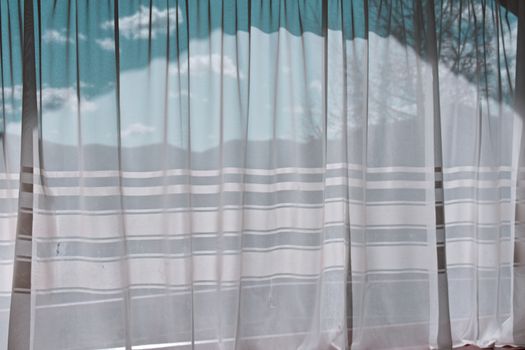
Layering fabric curtains is one of the most effective ways to elevate a room from ordinary to extraordinary. Designers rarely rely on a single panel; instead, they combine sheers, drapes, valances, and hardware to create depth, texture, and a polished, custom look. Whether you're updating a living room, bedroom, or dining area, learning how to layer curtains properly can transform your windows into a stunning focal point. This comprehensive guide will walk you through the why, what, and how of curtain layering, with practical tips and detailed explanations to help you achieve a designer result.

Why Layer Fabric Curtains?
Layering isn't just about aesthetics—though the visual payoff is significant. It also offers functional benefits that single-layer window treatments can't match. By combining different fabrics and styles, you gain control over light, privacy, insulation, and sound absorption. More importantly, layering adds architectural interest and a sense of luxury that feels intentional and well-designed.
Designers often use layering to:
- Create depth and dimension: Multiple layers add visual weight and richness to a room.
- Control light: Sheers diffuse harsh sunlight while heavier drapes block it entirely when needed.
- Improve energy efficiency: Layered curtains can reduce heat loss in winter and keep rooms cooler in summer.
- Enhance privacy: A sheer layer provides daytime privacy without sacrificing natural light.
- Add acoustic comfort: Thick fabrics absorb sound, making spaces quieter and more serene.
The Core Components of a Layered Curtain Setup
A well-layered window treatment typically consists of three main elements: a sheer or light-filtering base layer, a heavier decorative layer, and optional top treatments or hardware accents. Understanding each component helps you mix and match with confidence.
1. The Base Layer: Sheers and Light-Filtering Fabrics
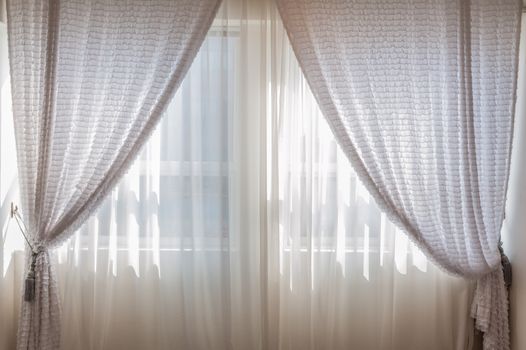
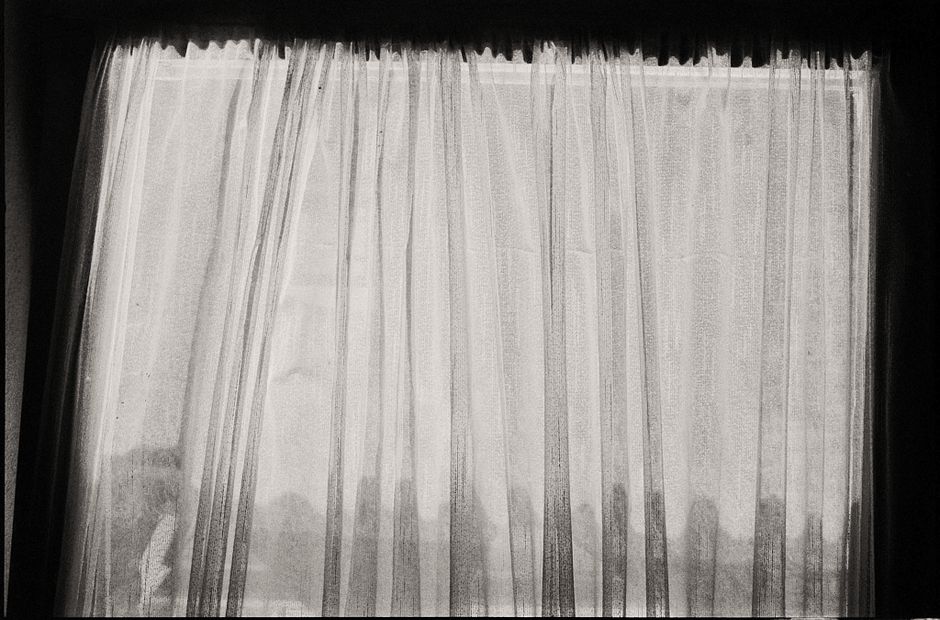
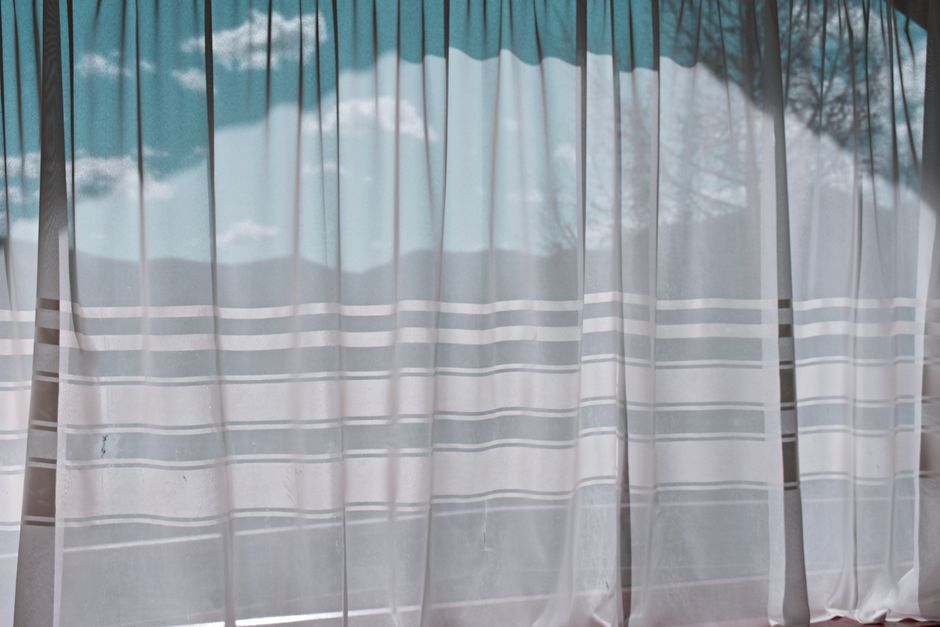
The base layer sits closest to the glass and is usually made of sheer or semi-sheer fabric such as voile, linen, or lightweight cotton. Its primary role is to soften incoming light, provide daytime privacy, and add a soft, ethereal quality. Sheers can be hung on a separate rod or a double rod system. For a modern look, consider floor-to-ceiling sheers in a neutral tone like ivory, white, or soft grey.
2. The Middle Layer: Main Drapes
This is the star of the show—the heavier, more decorative curtain panel that defines the room's style. Choose fabrics like velvet, silk, heavy linen, or brocade depending on the mood you want. These drapes can be lined for extra body and light blockage. They are typically hung on the main rod and can be drawn closed at night for privacy and insulation.
3. The Top Layer: Valances, Cornices, and Roman Shades
Top treatments add a finishing touch and can conceal hardware for a cleaner look. A tailored valance, a fabric-covered cornice, or a Roman shade mounted above the drapes creates a polished, custom appearance. This layer is optional but can be the difference between a good window and a designer window.
Choosing the Right Fabrics for Layering
Fabric selection is critical when layering curtains. You want contrast in texture and weight, but harmony in color and style. Here's a quick guide to pairing fabrics:
| Layer | Recommended Fabrics | Purpose |
|---|---|---|
| Base (Sheer) | Voile, chiffon, lightweight linen, lace | Light diffusion, privacy, softness |
| Middle (Main Drape) | Velvet, silk, heavy linen, wool, brocade | Style, insulation, light control |
| Top (Valance/Shade) | Matching or coordinating upholstery fabric | Conceal hardware, add structure |
When in doubt, pair a textured main fabric with a smooth sheer, or vice versa. For example, a rich velvet drape layered over a crisp linen sheer creates a beautiful contrast that feels both luxurious and airy.
Color and Pattern Coordination
Layering allows you to play with color and pattern in ways a single curtain cannot. Designers often use a neutral base and a bolder main layer, or they mix subtle patterns for a curated look. Here are some winning combinations:
- Tone-on-tone: Sheers and drapes in the same color family create a seamless, sophisticated effect.
- Neutral + accent: White sheers with deep navy or emerald drapes make a striking statement.
- Pattern + solid: A patterned sheer over a solid drape adds interest without overwhelming the space.
- Warm + cool: Mix warm and cool tones for a balanced, dynamic look—e.g., grey sheers with blush drapes.
Remember, the goal is to create a cohesive look that complements your room's overall color scheme. If your walls are bold, keep curtains more subdued; if walls are neutral, you can afford to be more adventurous with curtain colors.
Hardware and Installation Tips
The right hardware is essential for a professional layered look. Double curtain rods are your best friend—they allow you to hang two layers on separate rods with different projections. Here's what to consider:
- Rod length: Extend the rod 6–12 inches beyond the window frame on each side to make windows appear larger and allow curtains to stack neatly when open.
- Rod height: Mount rods as close to the ceiling as possible, or at least 4–6 inches above the window frame, to draw the eye upward and add height.
- Brackets and finials: Choose sturdy brackets that can support the weight of multiple layers. Decorative finials add a finishing touch.
- Return brackets: Use return brackets to wrap curtains around the ends of the rod, minimizing light gaps and creating a custom, built-in look.
For a truly designer finish, consider custom-made curtains that are weighted and lined. They hang better and last longer than off-the-shelf options.
Layering Styles for Different Rooms
Different rooms call for different layering approaches. Here's how to tailor your design to each space:
Living Room
In living rooms, you can be more dramatic. Combine floor-to-ceiling sheers with heavy velvet or silk drapes in a rich color. Add a valance or cornice for a formal touch. This creates a cozy, inviting atmosphere that's perfect for entertaining.
Bedroom
Bedrooms benefit from blackout layers for better sleep. Use a sheer for daytime privacy and a blackout-lined drape for nighttime. Consider a Roman shade as a top layer for a soft, romantic look. Keep colors calming—think soft blues, greys, or warm neutrals.
Dining Room
Dining rooms often have larger windows, so layering can make a grand statement. Opt for elegant fabrics like silk or damask, and consider a shaped valance or swag for a traditional feel. Sheers can soften the formality and diffuse light over the dining table.
Home Office
In a home office, light control is key. Layer a sheer for glare reduction with a heavier drape that can be closed for video calls or focused work. Choose colors that promote concentration, such as muted greens or blues.
Common Layering Mistakes to Avoid
Even with the best intentions, layering can go wrong. Here are pitfalls to watch for:
- Too many patterns: Mixing multiple bold patterns can create visual chaos. Stick to one statement pattern and keep other layers solid or subtly textured.
- Incorrect proportions: Curtains that are too short or too narrow look cheap. Always measure carefully and err on the side of extra fullness (2–2.5 times the window width).
- Ignoring hardware: Flimsy rods and brackets can sag under the weight of multiple layers. Invest in quality hardware.
- Mismatched styles: A rustic burlap drape with a formal silk valance can clash. Keep the overall style consistent.
- Forgetting the stack: When curtains are open, they should stack neatly without blocking too much of the window. Allow enough rod length for stacking.
Step-by-Step: How to Layer Curtains Like a Designer
Ready to create your own layered masterpiece? Follow these steps:
- Measure your window: Determine the width and height, and decide on the rod placement.
- Choose your layers: Select a sheer, a main drape, and optional top treatment.
- Select fabrics and colors: Use the guidelines above to pick complementary materials.
- Install double rods: Mount the back rod for sheers and the front rod for drapes. Ensure they are level and secure.
- Hang sheers first: Slide the sheer panels onto the back rod, adjusting for even spacing.
- Add main drapes: Hang the heavier panels on the front rod, ensuring they overlap slightly in the center.
- Add top treatment (optional): Install a valance or cornice above the rods to conceal hardware.
- Style and adjust: Train the curtains into folds, and use tiebacks if desired. Steam or iron out wrinkles.
Maintenance and Care for Layered Curtains
Layered curtains require regular maintenance to keep them looking fresh. Dust and vacuum sheers gently with a brush attachment. Heavier drapes should be dry-cleaned according to fabric instructions. Rotate curtains periodically to prevent sun damage and uneven fading. For a quick refresh, use a handheld steamer to remove wrinkles without harsh chemicals.
Final Thoughts
Layering fabric curtains is a skill that combines creativity with practical considerations. By understanding the roles of each layer, choosing fabrics thoughtfully, and paying attention to hardware and installation, you can achieve a designer look that transforms your space. Whether you prefer a minimalist sheer-and-drape combo or a lavish multi-layer arrangement, the key is to balance texture, color, and proportion. With these tips, you're well on your way to creating windows that are as functional as they are beautiful.