10 Ways to Reduce Packaging Printing Costs for B2B
1. Optimize Your Packaging Design for Efficiency
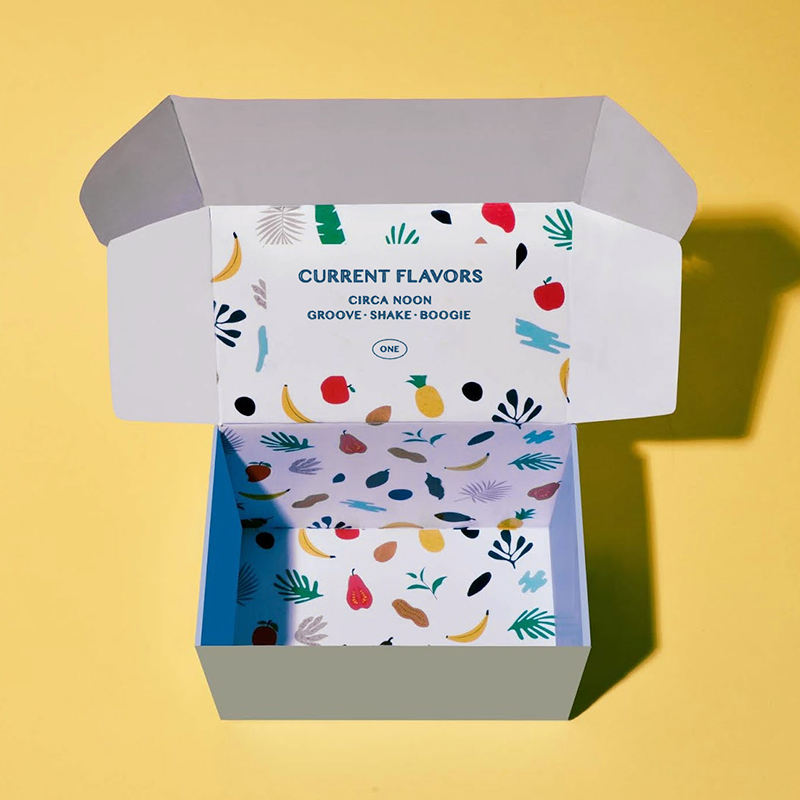
The design of your packaging plays a crucial role in cost reduction. Simplify shapes and eliminate unnecessary elements to minimize material usage. For example, switching from a custom die-cut box to a standard square or rectangular design can significantly lower production costs. Standard sizes are often available at lower prices because they are produced in bulk.
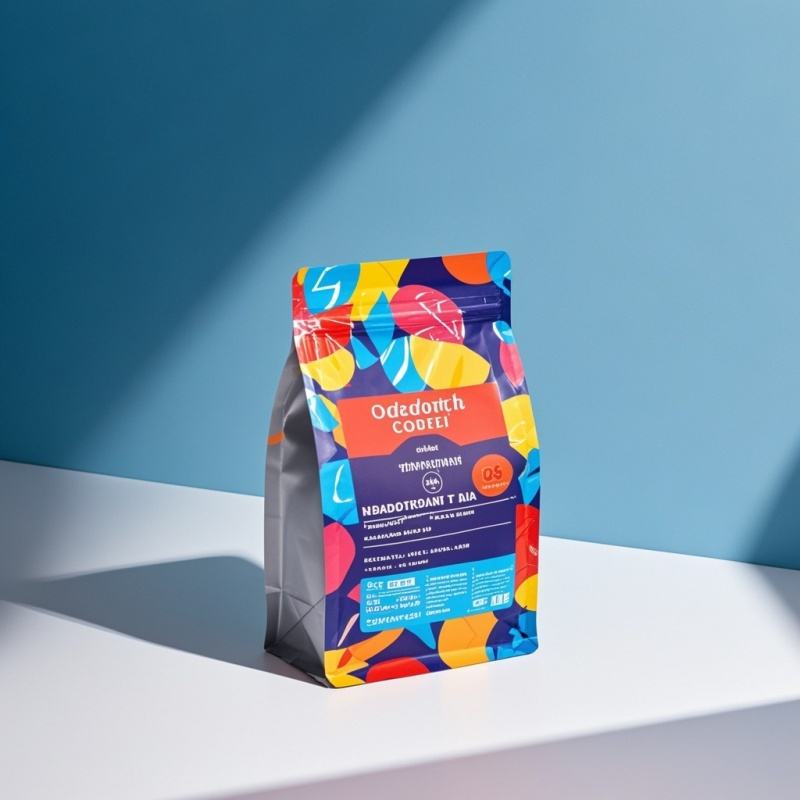
Additionally, consider reducing the number of colors in your print design. Each additional color increases setup and printing costs. By limiting your palette to two or three colors, you can save money while still maintaining brand recognition. Also, avoid large solid color areas that require more ink and longer drying times.
2. Choose the Right Packaging Material
Material selection is one of the biggest cost drivers. Corrugated cardboard is generally cheaper than rigid options like paperboard or plastic. Evaluate whether your product truly requires heavy-duty packaging or if a lighter weight material can suffice. Many B2B shipments can use single-wall corrugated instead of double-wall, reducing costs by up to 30%.
Recycled materials are often less expensive than virgin materials. Many suppliers offer post-consumer recycled content at a lower price point. Also, consider using stock materials that are readily available rather than custom orders, which often come with minimum order quantities and higher per-unit costs.
3. Buy Packaging in Bulk
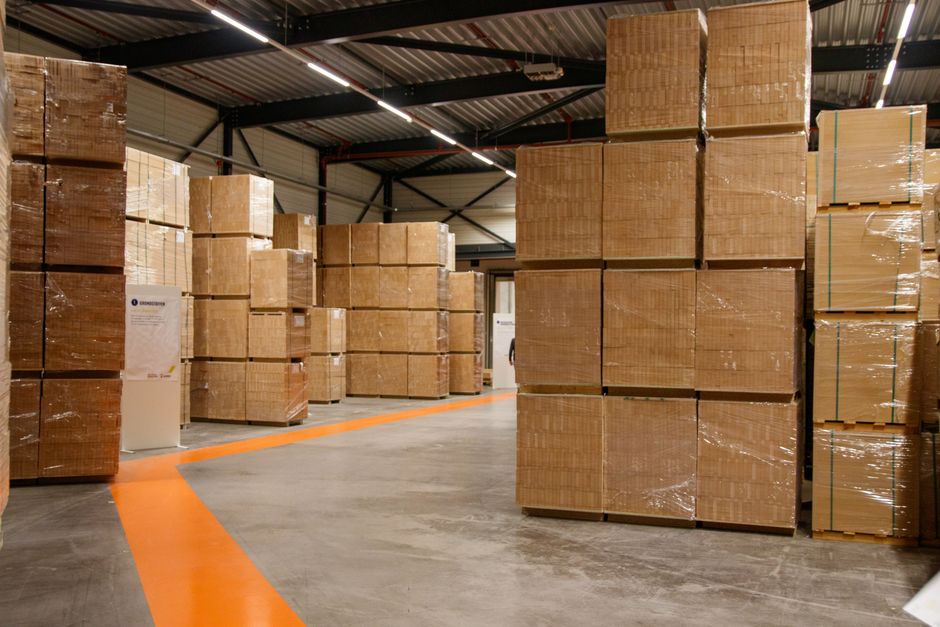
One of the simplest ways to reduce per-unit costs is to order larger quantities. Suppliers offer volume discounts for bulk orders because it reduces their setup and changeover times. For example, ordering 10,000 boxes instead of 1,000 can reduce the cost per box by 20-40%.
However, be cautious about over-ordering. Ensure you have adequate storage space and that the packaging design won't become obsolete. If your product changes frequently, consider a flexible bulk order that allows for minor modifications later. Some suppliers offer tiered pricing, so even a moderate increase in quantity can yield savings.
4. Standardize Packaging Across Product Lines
Using the same packaging for multiple products reduces complexity and cost. Instead of custom boxes for each SKU, design a universal box with adjustable inserts or dividers. This approach reduces the number of unique SKUs you need to order, streamlining inventory management and lowering per-unit costs.
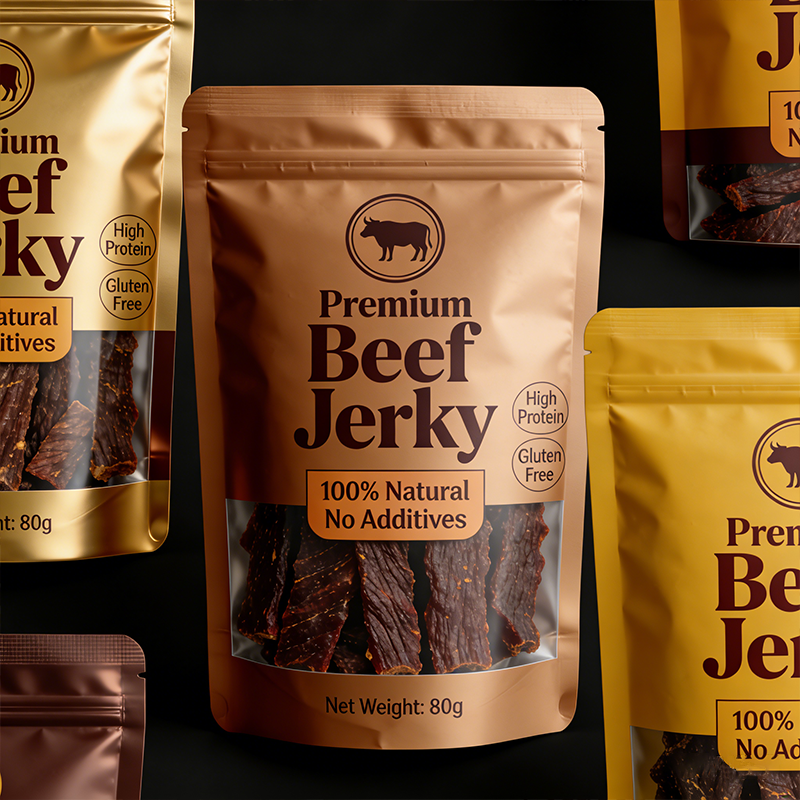
Standardization also simplifies printing. You can print basic branding on the box and use labels to differentiate products. Labels are much cheaper than custom printing on each box. This strategy is especially effective for B2B companies with diverse product ranges.
5. Negotiate with Multiple Suppliers
Don't settle for the first quote. Get bids from at least three packaging suppliers to compare pricing. Use these quotes as leverage to negotiate better terms. Suppliers are often willing to match or beat competitors' prices to win your business, especially if you can commit to a long-term contract or larger volume.
Also, consider working with local suppliers to reduce shipping costs. While their per-unit price might be slightly higher, the savings on freight can offset the difference. Build relationships with suppliers who understand your business and can offer flexible payment terms or just-in-time delivery to reduce inventory carrying costs.
6. Reduce Packaging Waste
Minimizing waste directly cuts material costs. Conduct a waste audit to identify where excess material is being used. For example, if boxes are too large for the product, you're paying for extra cardboard and void fill. Right-size your packaging to fit the product snugly, which also reduces shipping costs.
Implement a continuous improvement program to track waste and set reduction targets. Some suppliers offer discounts for using recycled materials or for returning waste for reprocessing. Additionally, consider reusable packaging systems for internal logistics or closed-loop supply chains, which eliminate the need for disposable packaging altogether.
7. Use Digital Printing for Short Runs
Digital printing is cost-effective for small to medium quantities because it doesn't require expensive plates or setup. Unlike offset printing, digital allows you to print variable data, such as different barcodes or product information, without extra cost. This is ideal for B2B companies that need customized packaging for different clients.
Digital printing also enables just-in-time production, reducing inventory holding costs. You can print only what you need when you need it. While per-unit costs may be higher for very large runs, for quantities under 5,000 units, digital is often cheaper and faster.
8. Simplify Finishing and Embellishments
Finishing touches like foil stamping, embossing, or spot UV coating add significant cost. Evaluate whether these enhancements are necessary for your brand image or if simpler finishes can achieve a similar effect. For B2B packaging, functionality often matters more than aesthetics, so matte or gloss lamination may suffice.
If you do want some embellishments, consider using them sparingly, such as only on the front panel. Also, choose standard coatings like aqueous or varnish over more expensive UV coatings. Every extra step in the finishing process adds time and cost, so keep it simple.
9. Optimize Shipping and Logistics
Packaging costs aren't just about the box; shipping costs are directly affected by package size and weight. Smaller, lighter packages cost less to ship. Design your packaging to minimize dimensional weight, which is calculated by the carrier based on volume. Reducing the box size by even an inch can save on freight.
Consider using flat-packed or knock-down boxes that are shipped flat and assembled on-site. This reduces shipping volume and storage space. Also, negotiate shipping rates with carriers based on your packaging dimensions. Some carriers offer discounts for using standard box sizes that fit efficiently on pallets.
10. Partner with a Packaging Consultant
Sometimes the best way to reduce costs is to bring in an expert. A packaging consultant can analyze your entire process, from design to procurement, and identify savings opportunities you might miss. They have industry knowledge of materials, suppliers, and best practices. Many consultants work on a contingency basis, taking a percentage of the savings they uncover, so their incentives align with yours.
Consultants can also help with value engineering—redesigning packaging to use less material without compromising protection. They can introduce you to new technologies like lightweighting or sustainable materials that offer long-term cost benefits. The upfront investment often pays for itself many times over.
Shape this solution around your market.
Send the product categories, quantities, customer profile and packaging direction.
Request a product proposal