Top Eco-Friendly Packaging Printing Materials for B2B Buyers
1. Recycled Cardboard and Kraft Paper
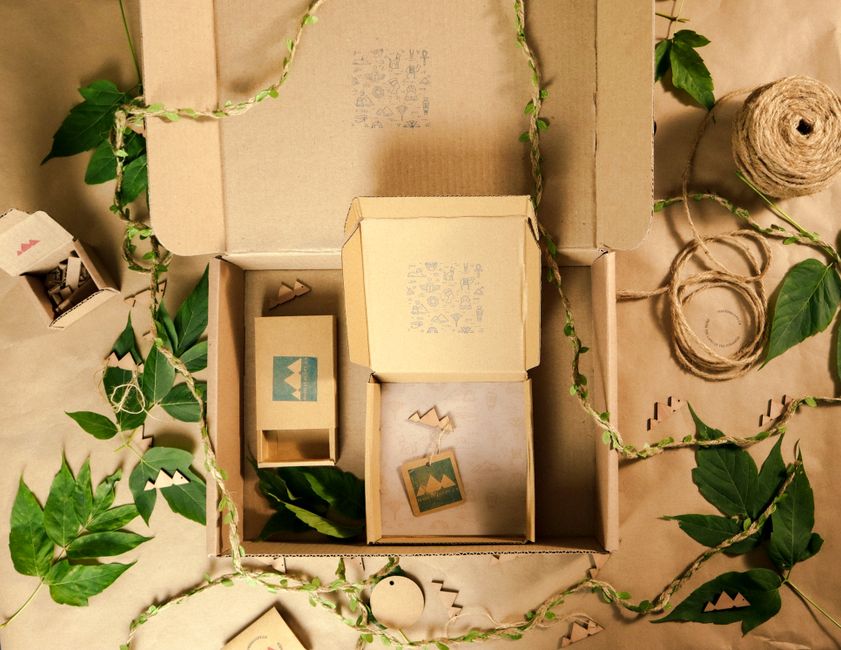
Recycled cardboard and kraft paper are among the most widely used eco-friendly packaging materials. They are made from post-consumer waste or sustainably sourced fibers, reducing the need for virgin pulp. For B2B buyers, these materials offer a cost-effective solution that maintains structural integrity for shipping and storage. Kraft paper, in particular, is known for its strength and durability, making it ideal for corrugated boxes, mailers, and void fill. By choosing recycled content, businesses can significantly lower their carbon footprint and appeal to environmentally conscious customers.
These materials are fully biodegradable and recyclable, aligning with circular economy principles. Many suppliers now offer high-quality recycled cardboard with smooth surfaces suitable for high-resolution printing. This allows brands to maintain a professional appearance while demonstrating their commitment to sustainability. Additionally, using recycled materials can enhance a company's green marketing efforts and help meet corporate social responsibility (CSR) goals.

2. Compostable Bioplastics (PLA & PHA)
Compostable bioplastics, such as polylactic acid (PLA) and polyhydroxyalkanoates (PHA), are derived from renewable resources like corn starch, sugarcane, or algae. Unlike conventional plastics, these materials break down in industrial composting facilities, leaving no toxic residue. For B2B applications, PLA is commonly used for rigid containers, films, and labels, while PHA offers greater flexibility and marine biodegradability. These materials are ideal for businesses looking to replace single-use plastics in packaging without sacrificing performance.
It's important to note that compostable bioplastics require specific conditions to decompose, so proper disposal infrastructure must be communicated to end users. However, they provide a viable solution for reducing plastic pollution and fossil fuel dependence. B2B buyers should look for certifications like BPI (Biodegradable Products Institute) or EN 13432 to ensure the material meets industry standards. As technology advances, the cost of bioplastics is decreasing, making them more accessible for large-scale packaging needs.
3. Mushroom Packaging (Mycelium)
Mushroom packaging, made from mycelium (the root structure of fungi) and agricultural waste like hemp or oat hulls, is a revolutionary eco-friendly material. It is grown in molds, creating custom shapes that provide excellent cushioning and protection for fragile items. This material is fully compostable in home or industrial settings, returning nutrients to the soil. For B2B buyers, mushroom packaging offers a unique and memorable unboxing experience, reinforcing a brand's commitment to innovation and sustainability.
Mycelium packaging is lightweight yet strong, reducing shipping costs and emissions. It also has natural fire-resistant and water-resistant properties, making it suitable for a variety of products. Companies like Dell and IKEA have already adopted mushroom packaging for select products. While the production process can be slower than traditional methods, it is highly scalable and can be tailored to specific dimensions. This material is particularly appealing for high-end or specialty items where sustainability is a key selling point.
4. Plant-Based Inks and Coatings
Switching to plant-based inks and coatings is an often-overlooked aspect of eco-friendly packaging. Traditional petroleum-based inks contain volatile organic compounds (VOCs) that harm the environment. In contrast, soy, vegetable, or algae-based inks are renewable, biodegradable, and produce fewer emissions. For B2B buyers, these inks offer vibrant colors and excellent print quality, making them suitable for branding and product information. Water-based coatings also provide a sustainable alternative to plastic lamination, enhancing durability without compromising recyclability.
Plant-based inks are compatible with various printing techniques, including offset, flexography, and digital printing. They also facilitate easier de-inking during the recycling process, improving the quality of recycled fiber. By choosing eco-friendly inks, businesses can reduce their environmental impact while maintaining high-quality packaging. Many printing companies now offer these options as standard, making it easy for B2B buyers to incorporate them into their packaging strategy.
5. Molded Pulp and Fiber
Molded pulp, also known as molded fiber, is made from recycled paperboard, cardboard, or other natural fibers. It is commonly used for protective packaging, such as trays, inserts, and clamshells. This material is highly customizable, allowing for precise shapes that fit products snugly. For B2B buyers, molded pulp is an excellent alternative to plastic foam or bubble wrap, as it is biodegradable and often recyclable. It also provides good shock absorption and stackability, making it ideal for shipping electronics, cosmetics, and food items.
The production process of molded pulp uses less energy than plastic manufacturing and generates minimal waste. It can be dyed with natural pigments or left unbleached for a rustic look. Additionally, molded pulp can be combined with other sustainable materials, like bamboo or sugarcane bagasse, to enhance strength. As consumers become more aware of packaging waste, molded pulp offers a practical and visually appealing solution that aligns with zero-waste goals.
6. Hemp-Based Packaging
Hemp is a fast-growing, low-impact crop that requires minimal water and no pesticides. Hemp fibers can be used to produce paper, textiles, and bioplastics for packaging. Hemp-based paper is stronger and more durable than wood-pulp paper, making it ideal for bags, wrapping, and labels. For B2B buyers, hemp packaging offers a unique selling point, as it is associated with sustainability and innovation. The material is also naturally resistant to mold and UV light, extending the shelf life of products.
Hemp bioplastics are still emerging but show promise for rigid packaging applications. They are biodegradable and can be reinforced with hemp fibers for added strength. While the cost of hemp-based materials is currently higher than conventional options, economies of scale are expected to reduce prices as demand grows. Businesses that adopt hemp packaging early can differentiate themselves in the market and attract eco-conscious clients. Certifications like USDA Organic or FSC (Forest Stewardship Council) can further validate the sustainability claims.
7. Glass and Metal with Recycled Content
Glass and metal are infinitely recyclable without loss of quality, making them excellent choices for sustainable packaging. For B2B buyers, using containers made from recycled glass (cullet) or recycled aluminum/steel reduces energy consumption and raw material extraction. Glass is inert and ideal for food, beverages, and cosmetics, preserving product integrity. Metal cans and tins are lightweight, stackable, and offer a premium feel. Both materials can be printed with eco-friendly inks and labels, enhancing their environmental profile.
Recycled glass melts at lower temperatures than virgin glass, saving energy and reducing emissions. Similarly, recycled aluminum requires 95% less energy than primary production. These materials are widely accepted in recycling programs, ensuring a closed-loop system. B2B buyers can work with suppliers to source high-recycled-content options and customize shapes for branding. While heavier than plastic, glass and metal offer durability and a premium unboxing experience that can justify the weight in certain markets.
Shape this solution around your market.
Send the product categories, quantities, customer profile and packaging direction.
Request a product proposal