Food Safe Packaging Printing: Key B2B Requirements
In the B2B packaging industry, ensuring that printed materials are safe for direct food contact is not just a regulatory requirement—it is a critical factor in brand trust and consumer safety. This comprehensive guide covers the key requirements for food safe packaging printing, from material selection to compliance standards, and offers practical tips for B2B buyers.
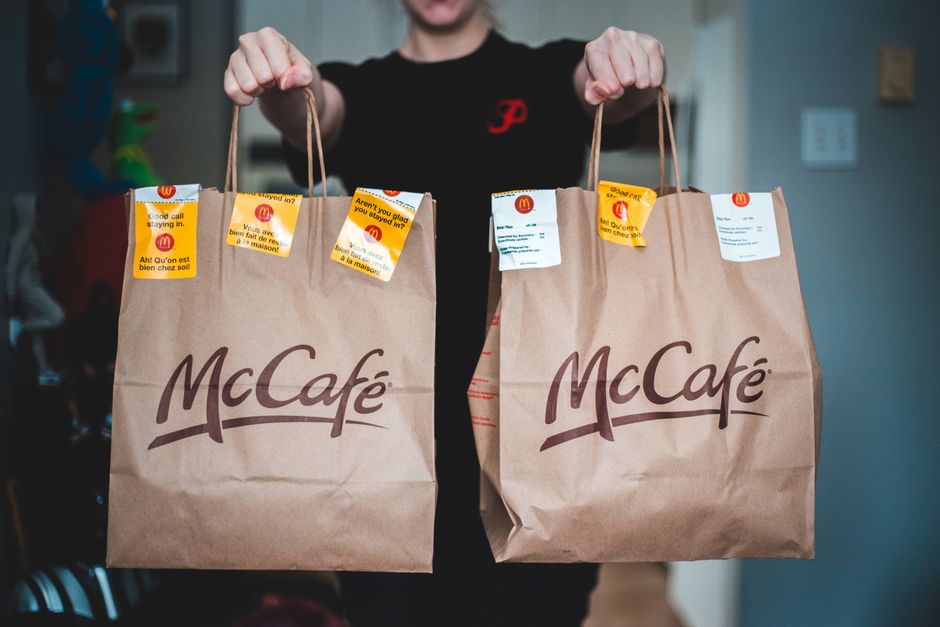
What Is Food Safe Packaging?
Food safe packaging refers to any packaging material that comes into direct contact with food and does not transfer harmful substances, odors, or flavors to the product. It must comply with strict regulations set by bodies such as the FDA (U.S.), EFSA (Europe), and local authorities. For B2B buyers, this means selecting printing processes and inks that are certified for food contact.
Key Requirements for Food Safe Packaging Printing
1. Use of Food Grade Inks
Inks used for food packaging must be formulated without toxic heavy metals, phthalates, or other harmful chemicals. Water-based or UV-curable inks are common choices. Look for certifications like EU 10/2011 (plastic materials) or FDA 21 CFR 175.300 (resinous and polymeric coatings).
2. Substrate Compatibility
The printing surface (paper, cardboard, plastic, or foil) must be suitable for food contact. For example, uncoated paper may absorb ink, requiring a barrier layer. Ensure substrates meet migration limits per regulations.
3. Migration and Off-Set Prevention
Even if inks are safe, they can migrate through the packaging if not properly cured or if a barrier is missing. Use functional barriers like varnishes or laminates to prevent ink transfer to food.
4. Clean Printing Environment
Printing facilities must maintain hygiene standards to avoid contamination. B2B buyers should audit suppliers for GMP (Good Manufacturing Practice) certifications.
5. Compliance with Global Standards
Different markets have varying requirements. For instance, the EU requires a Declaration of Compliance (DoC) for each packaging component. In the U.S., FDA 21 CFR parts 170-199 cover indirect food additives. Always request compliance documentation.

Choosing the Right Printing Technology
Offset, flexography, and digital printing each have advantages for food packaging. Digital printing offers short runs and variable data, but ensure inks are food safe. Flexography works well with water-based inks on flexible films. Offset is ideal for high-volume cartons but may require additional coatings.
Practical Tips for B2B Buyers
- Request Certificates: Always ask for material safety data sheets (MSDS) and certificates of compliance from your printer.
- Conduct Migration Tests: For high-risk applications (e.g., fatty foods), perform migration testing using food simulants.
- Choose Minimalist Design: Less ink coverage reduces risk. Use spot colors instead of full coverage.
- Check Recyclability: Food safe packaging should also be recyclable. Avoid inks that contaminate recycling streams.
- Work with Specialized Printers: Partner with printers experienced in food packaging to avoid common pitfalls.
Common Pitfalls to Avoid
- Assuming all water-based inks are safe: Some may contain preservatives that migrate. Verify each component.
- Ignoring storage conditions: Heat and humidity can accelerate migration. Use appropriate barriers.
- Overlooking secondary packaging: Even outer boxes can contaminate food if inks bleed through.
Cost Considerations
Food safe printing may cost 10-20% more than standard printing due to specialized inks and compliance testing. However, the cost of non-compliance (recalls, legal fees, brand damage) is far higher. B2B buyers should budget for certification and testing.
Future Trends in Food Safe Printing
Innovations include bio-based inks, edible inks, and intelligent packaging with sensors. These technologies promise enhanced safety and sustainability. B2B buyers should stay informed to remain competitive.
Conclusion
Food safe packaging printing is a complex but essential aspect of B2B packaging. By understanding the key requirements—from ink selection to compliance—you can ensure your products are safe, legal, and trusted by consumers. Always partner with certified suppliers and invest in proper testing.
Shape this solution around your market.
Send the product categories, quantities, customer profile and packaging direction.
Request a product proposal