Offset vs Digital Packaging Printing: B2B Comparison Guide

Introduction
When sourcing packaging for your business, one of the most critical decisions is choosing between offset and digital printing. Both technologies have evolved significantly, but they serve different needs. This comprehensive B2B comparison will help you understand the key differences in cost, quality, turnaround time, and scalability so you can make an informed decision for your packaging projects.
Offset Printing Overview
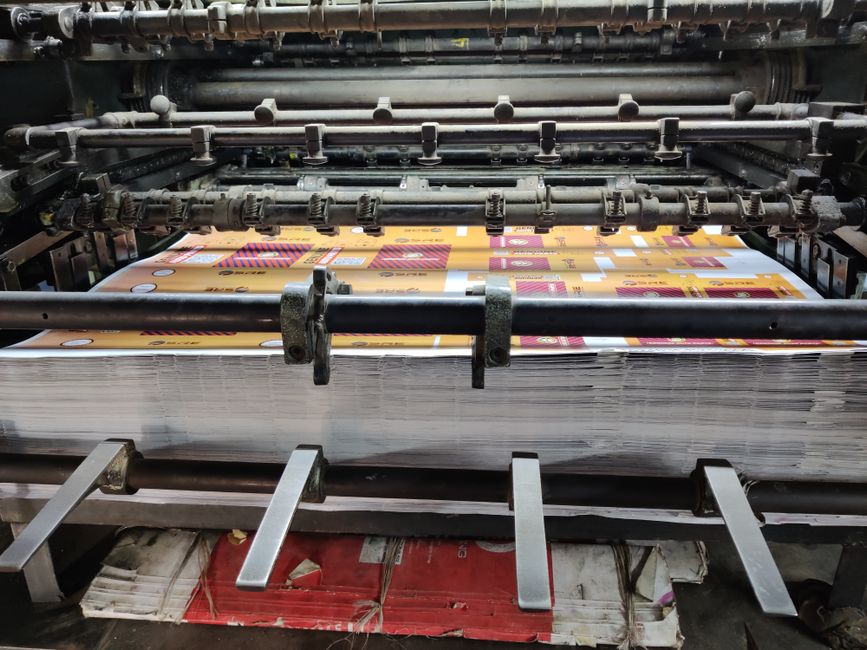
Offset printing, also known as lithography, uses plates to transfer an image onto a rubber blanket, which then prints onto the substrate. It is the traditional choice for high-volume runs and offers exceptional color accuracy and consistency.
Key Advantages
- Superior color quality and consistency
- Cost-effective for large quantities (typically >1,000 units)
- Wide range of substrates and finishes (e.g., metallic inks, spot UV)
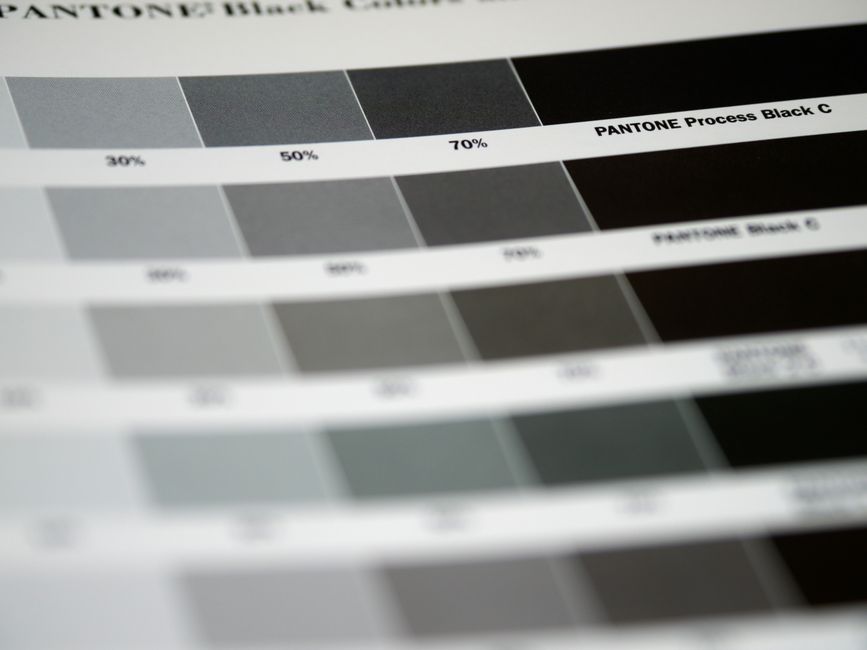
- Best for Pantone matching and brand colors
Limitations
- Higher setup costs (plate making, makeready)
- Longer turnaround times (7–14 days)
- Not economical for short runs
- Variable data printing is difficult
Digital Printing Overview
Digital printing applies toner or liquid ink directly onto the substrate without plates. It is ideal for short runs, personalized packaging, and rapid prototyping.
Key Advantages
- No setup costs; economical for runs under 500–1,000 units
- Fast turnaround (1–5 days)
- Variable data printing (unique codes, names, designs per unit)
- Easy to make last-minute changes
Limitations
- Lower color gamut and consistency compared to offset
- Limited substrate compatibility (especially synthetics)
- Higher per-unit cost at high volumes
- Less durable for long-term shelf life
Comparison Table
| Feature | Offset Printing | Digital Printing |
|---|---|---|
| Best for | Large runs (1,000+) | Short runs (1–1,000) |
| Setup cost | High | Low to none |
| Per-unit cost (high volume) | Low | High |
| Color accuracy | Excellent (Pantone, spot colors) | Good (CMYK only) |
| Turnaround | 7–14 days | 1–5 days |
| Variable data | Difficult | Easy |
| Substrate range | Very broad | Limited |
| Quality | Sharp, consistent | Good, but may vary |
| Finishing options | Wide (foil, emboss, spot UV) | Limited |
Cost Analysis
For a typical B2B packaging order, offset printing becomes cost-effective at around 500–1,000 units due to amortized plate costs. Digital printing has no plate costs, so it's cheaper for smaller quantities. However, as volume increases, digital's per-unit cost remains flat while offset's drops significantly.
For example, a run of 500 boxes might cost $2.50/unit digitally versus $3.00/unit offset. At 5,000 boxes, offset could drop to $0.80/unit while digital stays at $2.00/unit.
When to Choose Offset Printing
- Large quantities (1,000+ units)
- Premium packaging requiring spot colors, metallic inks, or special finishes
- Long-term brand consistency across multiple orders
- High-quality product packaging for retail shelves
When to Choose Digital Printing
- Short runs (less than 1,000 units)
- Prototyping or test marketing
- Personalized packaging (e.g., direct mail, event kits)
- Fast turnaround needed
- Variable data (QR codes, serial numbers)
Hybrid Approach
Many B2B buyers benefit from a hybrid strategy: use digital for prototypes and short-run launches, then switch to offset for mass production. This minimizes risk and optimizes cost.
Recommendation
For most B2B packaging buyers, we recommend offset printing for volume orders over 1,000 units where brand consistency and premium quality are critical. For short runs, personalization, or speed, digital printing is the clear winner. Always request samples and quotes from your printer to compare actual costs and quality for your specific project.
Conclusion
Understanding the trade-offs between offset and digital printing empowers you to make cost-effective decisions without compromising quality. Evaluate your order volume, turnaround needs, and design complexity to choose the right method. For expert guidance, consult with a packaging printing specialist who can help you optimize your print strategy.
Shape this solution around your market.
Send the product categories, quantities, customer profile and packaging direction.
Request a product proposal