Top B2B Packaging Printing Trends to Watch in 2025
1. Sustainable Materials Take Center Stage
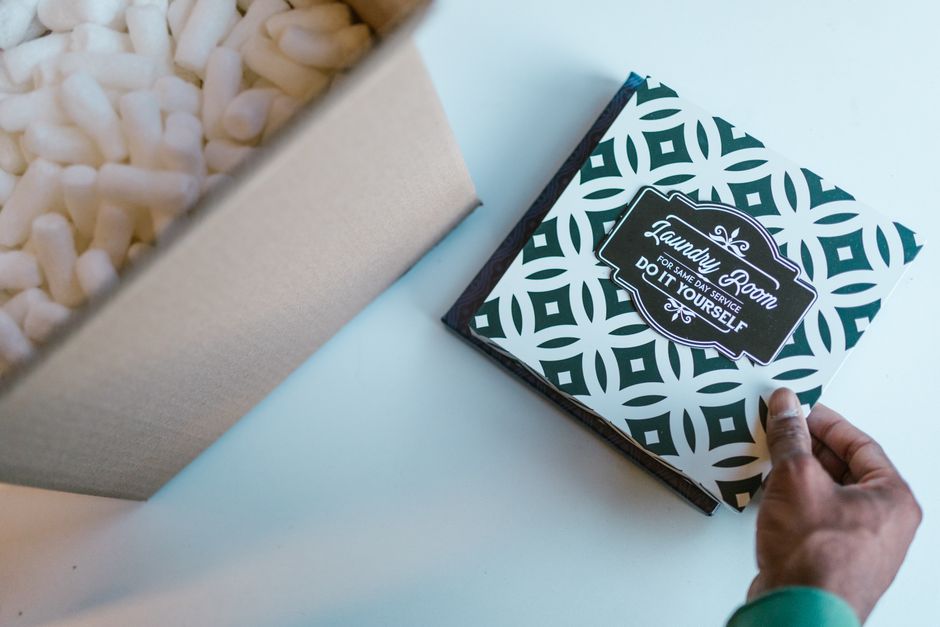
In 2025, B2B buyers are increasingly prioritizing eco-friendly packaging solutions. Sustainable materials such as recycled cardboard, biodegradable plastics, and plant-based inks are no longer optional but expected. Companies that adopt these materials not only reduce their environmental footprint but also appeal to eco-conscious clients and end consumers.
Moreover, regulations around single-use plastics are tightening globally. By switching to sustainable packaging, businesses can stay ahead of compliance requirements while enhancing brand reputation. Many suppliers now offer certified compostable or FSC-certified options, making the transition smoother.
Investing in sustainable packaging can also lead to cost savings in the long run through reduced waste and improved supply chain efficiency. B2B buyers should look for suppliers that provide transparent sourcing and lifecycle assessments to ensure genuine sustainability.
2. Smart Packaging with IoT Integration
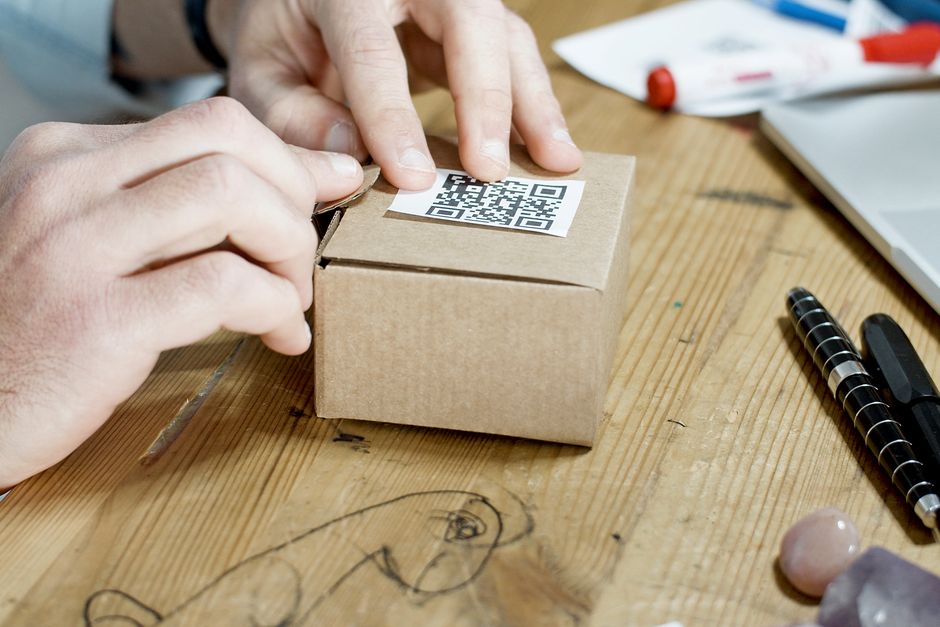
Internet of Things (IoT) technology is revolutionizing packaging by enabling real-time tracking, temperature monitoring, and tamper evidence. In 2025, smart packaging with embedded sensors and QR codes will become more prevalent in B2B supply chains, particularly for perishable goods and high-value items.
These technologies provide valuable data on product conditions during transit, reducing spoilage and theft. They also enhance inventory management by providing automatic updates on stock levels. B2B buyers can leverage this data to optimize logistics and improve customer satisfaction.
Implementation costs are decreasing as IoT components become more affordable. Suppliers are offering modular solutions that can be scaled according to business needs. Early adopters will gain a competitive edge through improved transparency and efficiency.

3. Digital Printing for Customization and Speed
Digital printing technology continues to advance, allowing for high-quality, short-run packaging with quick turnaround times. In 2025, B2B buyers will increasingly use digital printing for personalized packaging, seasonal campaigns, and test markets without the need for expensive plates or minimum order quantities.
Variable data printing enables unique codes, logos, or messages on each package, which is ideal for promotional materials or anti-counterfeiting measures. The ability to make last-minute changes reduces waste and inventory risk.
As digital print quality rivals offset, more B2B companies are adopting hybrid models. This trend supports just-in-time manufacturing and reduces storage costs. Buyers should seek suppliers with state-of-the-art digital presses and expertise in color management.
4. Minimalist and Functional Design
Less is more in 2025 packaging design. B2B buyers are favoring minimalist aesthetics that reduce material usage and simplify recycling. Clean designs with fewer colors and simpler structures also lower production costs and improve brand clarity.
Functionality is equally important: easy-open features, resealable closures, and stackable shapes enhance user experience. For industrial packaging, optimized dimensions reduce shipping costs and improve pallet utilization.
Design trends also include eliminating unnecessary inserts and using multi-purpose packaging that can be repurposed by the end user. B2B buyers should collaborate with designers to balance aesthetics, cost, and sustainability.
5. Automation and Robotics in Packaging Lines
Automation is transforming packaging operations, from filling and sealing to palletizing. In 2025, B2B buyers will invest in robotic systems that increase speed, accuracy, and safety while reducing labor costs.
Collaborative robots (cobots) are becoming more accessible, working alongside human operators for tasks like case packing and labeling. Advanced vision systems ensure quality control and reduce errors.
Integration with warehouse management systems enables seamless data flow. For B2B buyers, automation means faster order fulfillment and consistent packaging quality. Suppliers offering turnkey automation solutions will be in high demand.
6. Enhanced Unboxing Experience for B2B
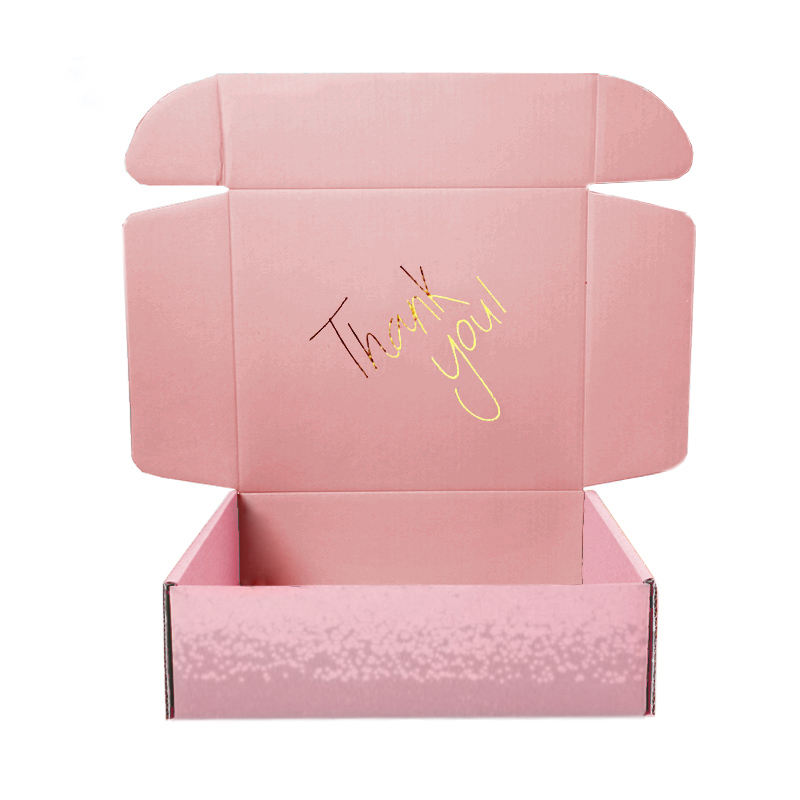
While unboxing is often associated with consumer goods, B2B buyers are recognizing its value in building brand loyalty. In 2025, expect more B2B packaging to include thoughtful touches like branded tissue paper, custom inserts, and thank-you notes.
A positive unboxing experience can differentiate a supplier in a crowded market. It also encourages social media sharing, which can lead to organic brand exposure. Even for industrial components, clean and organized packaging reflects professionalism.
B2B buyers should consider the entire journey from delivery to disposal. Sustainable yet premium materials can create a memorable experience without excessive waste. Suppliers that offer customization for unboxing will stand out.
7. Data-Driven Packaging Optimization
Big data and analytics are being used to optimize packaging design and supply chain efficiency. In 2025, B2B buyers will leverage data on shipping damage, customer feedback, and environmental impact to refine packaging specifications.
Simulation software can test packaging performance under various conditions, reducing the need for physical prototypes. Predictive analytics help forecast demand, minimizing overproduction and waste.
Collaborative platforms allow buyers and suppliers to share data securely, leading to continuous improvement. B2B companies that embrace data-driven decision-making will achieve lower costs and higher customer satisfaction.
8. Anti-Counterfeiting Features
Counterfeiting is a growing concern in many industries. In 2025, B2B packaging will incorporate advanced security features such as holograms, RFID tags, and blockchain-based tracking to authenticate products.
These measures protect brand integrity and ensure safety, especially in pharmaceuticals, electronics, and luxury goods. Tamper-evident packaging also builds trust with end users.
B2B buyers should work with suppliers that offer integrated security solutions. While costs may be higher, the long-term savings from prevented fraud and liability are substantial.
9. Lightweighting and Material Reduction
Reducing packaging weight without compromising protection is a key trend for 2025. Lighter packaging lowers shipping costs and carbon emissions, aligning with sustainability goals.
Innovations in material science, such as high-strength corrugated and micro-flute, enable thinner yet durable packaging. Design optimization software helps identify areas where material can be reduced.
B2B buyers should request life cycle assessments from suppliers to verify that lightweighting doesn't increase damage rates. Proper testing ensures that cost savings don't come at the expense of product safety.
10. Subscription and Reusable Packaging Models
Circular economy principles are driving the adoption of reusable packaging systems. In 2025, B2B buyers will explore subscription models where packaging is returned, cleaned, and reused multiple times.
This approach is particularly viable for intra-company logistics or closed-loop supply chains. It reduces waste and can lower per-use costs over time. Some suppliers offer deposit-based systems to incentivize returns.
For B2B buyers, transitioning to reusable packaging requires coordination with partners and investment in reverse logistics. However, the environmental and financial benefits make it an attractive long-term strategy.
Shape this solution around your market.
Send the product categories, quantities, customer profile and packaging direction.
Request a product proposal