Packaging Printing Lead Times: What B2B Buyers Should Expect
What is the typical lead time for custom packaging printing?
For B2B buyers, understanding lead times is crucial for supply chain planning. Typical lead times for custom packaging printing range from 2 to 6 weeks, depending on complexity, order volume, and printing method. Standard corrugated boxes with simple one-color printing may ship in 2-3 weeks, while complex jobs with multiple colors, special coatings, or custom inserts can take 4-6 weeks or longer.
Factors such as artwork approval, proofing cycles, and material availability also affect timelines. Many printers offer expedited services for an additional fee, reducing lead times by 1-2 weeks. It's always best to confirm lead times with your supplier during the quoting phase.
How do different printing methods affect lead times?
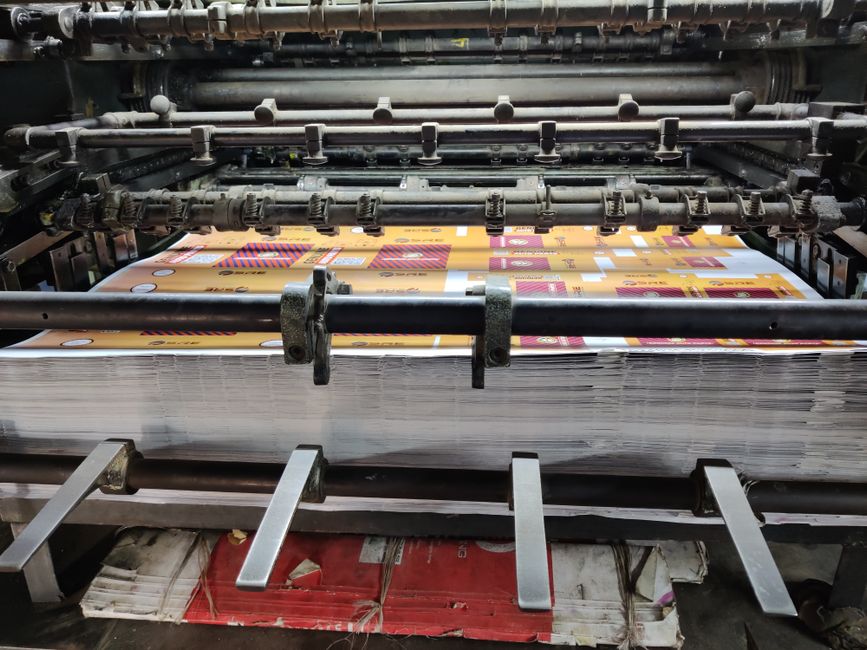
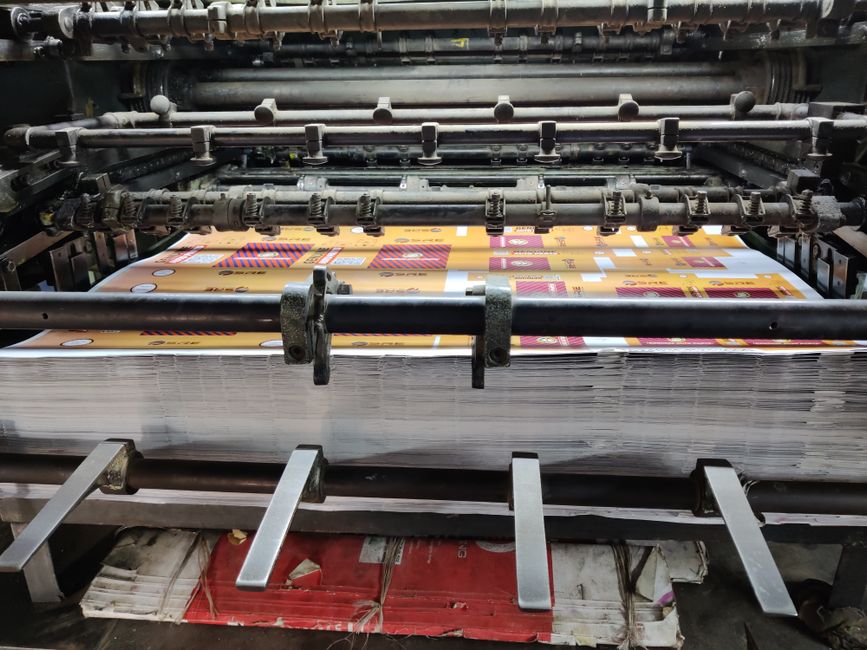
Flexographic printing, common for corrugated boxes, typically has shorter lead times (2-4 weeks) because it uses flexible plates and fast-drying inks. Digital printing, ideal for short runs and variable data, can be even faster—sometimes 1-2 weeks—since it requires no plate setup. However, digital may have limitations in color matching and material options.
Offset printing, used for high-quality folding cartons, often requires longer lead times (4-6 weeks) due to plate making and complex setup. Litho-lamination, which combines offset-printed sheets with corrugated board, also adds time. For urgent orders, digital or flexo with existing plates can be the quickest route.
What steps in the packaging printing process take the most time?
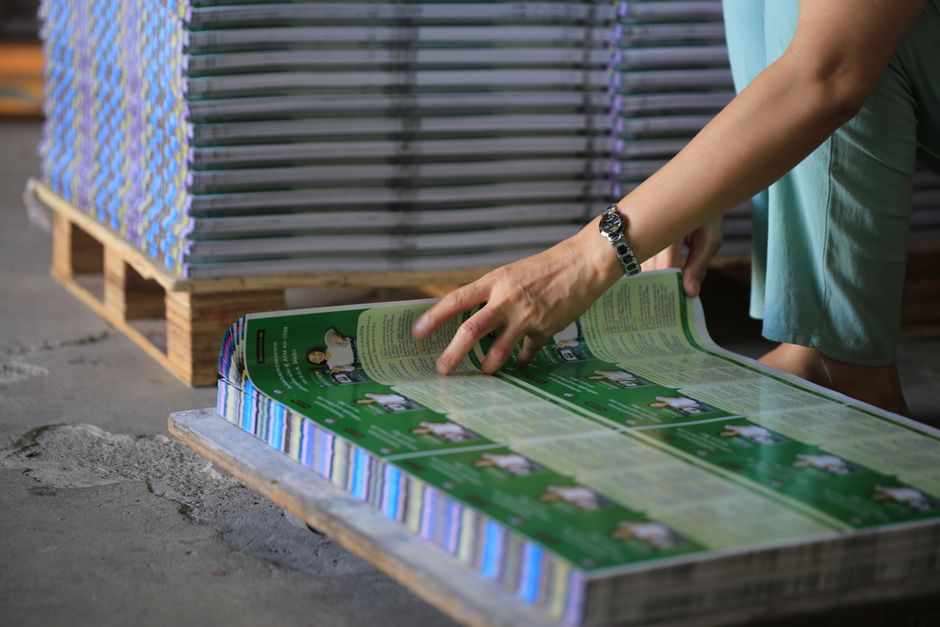
The pre-press phase, including artwork design, proofing, and plate making, often consumes the most time—up to 2 weeks. Any revisions or delays in client approvals can extend this. Once approved, the actual printing and finishing (die-cutting, folding, gluing) are typically faster, taking 1-2 weeks for standard jobs.
Post-press operations like quality control, packing, and shipping add another few days. If your packaging requires special coatings (UV, aqueous), foil stamping, or embossing, these finishing steps can add 3-7 days. Efficient communication and prompt approvals are key to compressing the timeline.
How can B2B buyers reduce packaging printing lead times?
Plan ahead and place orders well before your inventory runs out. Provide clear, print-ready artwork to avoid back-and-forth revisions. Use standard sizes and materials that printers stock regularly, as custom substrates may require ordering. Consider digital printing for small to medium runs to skip plate making.
Establish a relationship with a reliable printer who understands your needs. Many offer volume discounts for consistent orders and may reserve production slots for regular clients. Request a lead time schedule and incorporate buffer time for unexpected delays, especially during peak seasons like holidays or trade shows.
What are common causes of delays in packaging printing?
Artwork errors or incomplete specifications top the list. Missing bleed, low-resolution images, or incorrect die lines can halt production. Material shortages, especially for specialty papers or eco-friendly substrates, also cause delays. Machine breakdowns or labor shortages at the printer's facility are less common but possible.
Weather events affecting shipping, customs clearance for imported materials, or sudden spikes in demand can disrupt lead times. To mitigate, ask your printer about their contingency plans and whether they hold safety stock of common materials. Always get a written confirmation of the estimated ship date.
How do order quantities impact lead times?
Larger orders often require longer lead times because they consume more press time and materials. However, printers may prioritize high-volume jobs for efficiency, so the per-unit time might be similar. For example, 10,000 boxes might take 3 weeks, while 50,000 could take 4-5 weeks due to additional production shifts.
Small orders (under 500 units) can sometimes be produced faster using digital printing, with lead times as short as 1 week. But if the order is too small, it may be grouped with other jobs, causing a slight delay. Discuss minimum order quantities and typical turnaround with your supplier to set realistic expectations.
Should I expect longer lead times during certain seasons?
Yes, peak seasons like Q4 (holiday prep) and back-to-school periods see increased demand for packaging, often extending lead times by 1-2 weeks. Many printers operate at full capacity from September to November. Similarly, Chinese New Year can affect global supply chains if your printer sources materials from Asia.
Plan your orders 2-3 months in advance during these periods. Some printers offer early order discounts for off-peak production. Communicate your forecast to your supplier so they can reserve capacity and raw materials for you.
How do shipping options affect overall lead time?
Shipping time is a separate component from production lead time. Ground freight within the same region may take 2-5 days, while cross-country trucking can be 5-10 days. Air freight is faster but costly, typically 1-3 days. For international orders, sea freight adds 2-6 weeks plus customs clearance.
If you need packaging urgently, consider using a printer located near your warehouse to minimize shipping time. Some printers offer drop-shipping directly to your facility. Always factor in shipping when calculating total lead time, and ask for both production and transit estimates.
What should I ask my packaging printer about lead times?
Ask for a detailed timeline breakdown: artwork approval, proofing, production, and shipping. Inquire about their current workload and whether they have rush options. Request examples of typical lead times for similar projects and ask how they handle delays.
Also, clarify what happens if you need to make changes after approval—does it reset the clock? Understanding their policy on revisions and cancellations will help you manage expectations. Finally, get everything in writing to avoid misunderstandings.
How can I set realistic lead time expectations internally?
Start by adding a buffer of 1-2 weeks to the printer's quoted lead time to account for unexpected issues. Communicate with your sales or production teams about the importance of timely approvals. Create a calendar of packaging needs aligned with product launches or promotions.
Consider using a just-in-time (JIT) inventory system with safety stock to cover lead time gaps. Regularly review lead time performance with your printer and adjust forecasts accordingly. Building a strong partnership with your supplier ensures they prioritize your orders when possible.
Shape this solution around your market.
Send the product categories, quantities, customer profile and packaging direction.
Request a product proposal