Packaging Printing with QR Codes: Benefits for B2B Buyers
Introduction to QR Codes in Packaging Printing
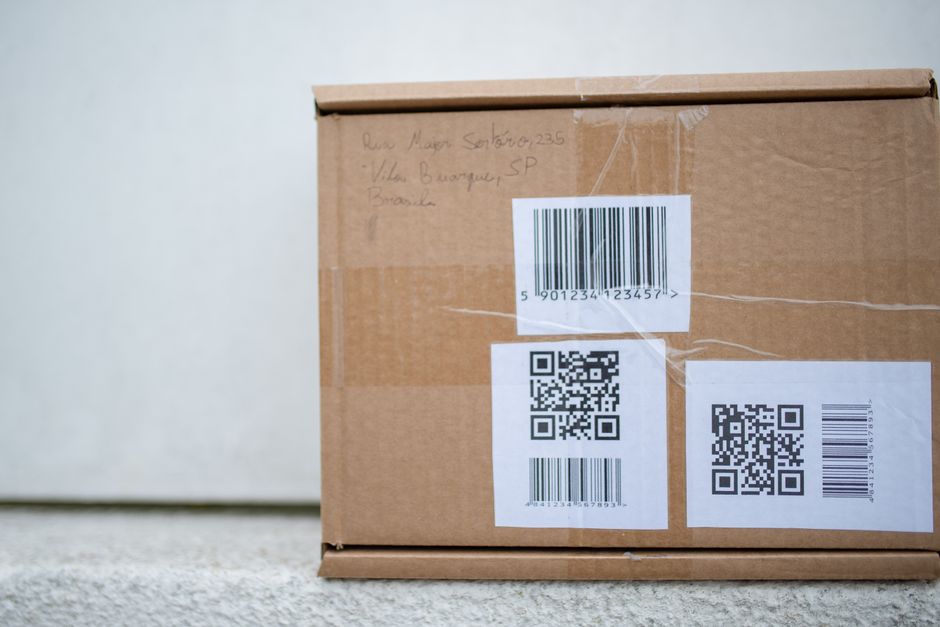
In the competitive B2B landscape, packaging is no longer just a container—it's a communication tool. QR codes (Quick Response codes) have evolved from a novelty to a powerful asset in packaging printing. For B2B buyers, integrating QR codes into packaging can unlock new levels of engagement, traceability, and data collection. This guide explores the benefits, best practices, and practical implementation strategies for using QR codes in B2B packaging.
Why B2B Buyers Should Care About QR Codes
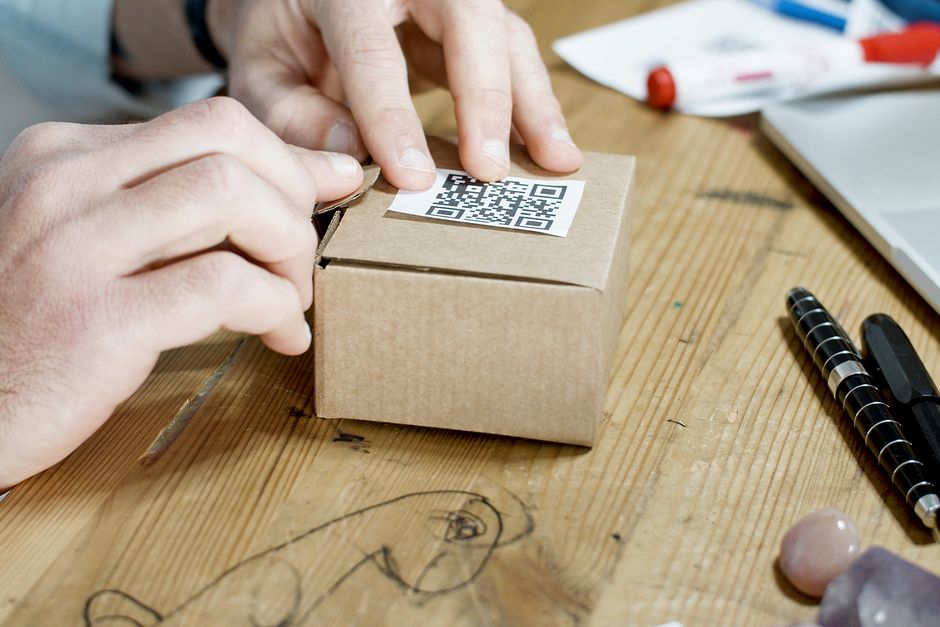
B2B transactions often involve bulk orders, complex supply chains, and multiple decision-makers. QR codes address these challenges by providing instant access to digital content without the need for additional hardware. They bridge the gap between physical packaging and digital experiences, offering value at every stage of the buyer's journey—from product discovery to post-purchase support.
Enhanced Product Information
Unlike consumer packaging, B2B packaging often needs to convey technical specifications, safety data sheets, or compliance certificates. A QR code can link directly to a dynamic landing page that hosts all relevant documents. This reduces the need for bulky paper inserts and ensures information is always up-to-date. For example, a chemical supplier can embed a QR code that leads to the latest Safety Data Sheet (SDS), which can be updated without reprinting packaging.
Streamlined Reordering Process
For B2B buyers, reordering is a frequent task. A QR code can be programmed to direct to a custom reorder form pre-filled with product details and buyer account information. This simplifies the procurement process, reduces errors, and increases loyalty. A study by Packaging Digest found that 63% of B2B buyers are more likely to reorder from a supplier that offers digital reordering via packaging.
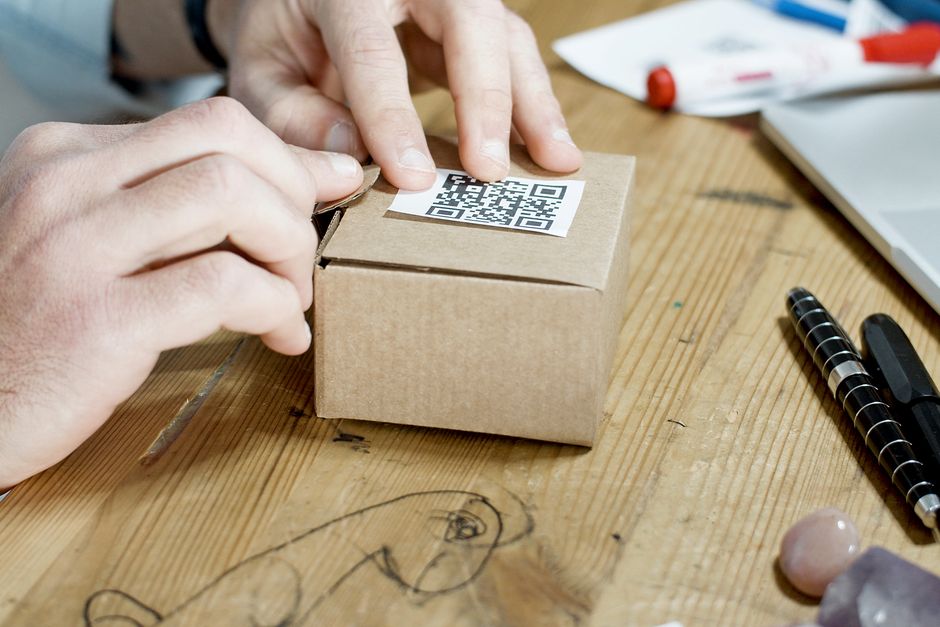
Key Benefits of QR Codes for B2B Packaging
1. Improved Traceability and Authentication
Counterfeiting is a major concern in B2B markets. QR codes can be used as part of a serialization strategy, where each package gets a unique code that can be scanned to verify authenticity. Integrating with blockchain technology adds an immutable record of the product's journey from manufacturer to end-user. This is particularly valuable in industries like pharmaceuticals, automotive parts, and luxury goods.
2. Direct Access to Technical Support
B2B products often require installation, maintenance, or troubleshooting. A QR code on the packaging can link to a support portal, video tutorials, or a live chat with a technician. This reduces downtime and enhances the customer experience. For instance, an industrial equipment manufacturer can include a QR code that directs to a step-by-step assembly video, reducing support calls by 30%.
3. Data Collection and Analytics
Every scan of a QR code provides valuable data: location, time, device type, and scan frequency. This data helps B2B sellers understand how their packaging is being used and which content resonates most. For example, if a QR code linking to a product brochure receives high scans in a specific region, the sales team can prioritize that area. Advanced QR code platforms offer real-time analytics dashboards.
4. Sustainability and Cost Savings
By replacing printed manuals, spec sheets, and other paper materials with digital content via QR codes, companies can reduce their environmental footprint and save on printing costs. For high-volume B2B shipments, this can lead to significant savings. A packaging company reported a 20% reduction in packaging material costs after switching to QR-code-based digital inserts.
Best Practices for Implementing QR Codes in B2B Packaging
Design and Placement
QR codes should be placed in a prominent location on the packaging, away from folds and seams. Ensure sufficient contrast and size—at least 2 cm x 2 cm. Include a clear call-to-action (e.g., “Scan for product specs”) near the code. For B2B, consider adding a small icon or text that indicates the benefit (e.g., “Scan for SDS”). Test the code on different surfaces and lighting conditions.
Dynamic vs. Static QR Codes
Static QR codes have fixed content and cannot be changed after printing. Dynamic QR codes allow you to update the destination URL without reprinting. For B2B, dynamic codes are strongly recommended because they enable A/B testing, content updates, and analytics. They also allow you to redirect users based on language or region.
Security Considerations
B2B buyers are cautious about security. Use a reputable QR code generator that offers password protection or expiration dates for sensitive content. Avoid linking to unsecured websites. Provide a fallback option, such as a short URL printed below the code, in case scanning fails. Regularly monitor for malicious redirects.
Practical Use Cases Across Industries
| Industry | Use Case | Benefit |
|---|---|---|
| Chemical Manufacturing | Link to Safety Data Sheets (SDS) | Regulatory compliance, reduced liability |
| Electronics | Link to firmware updates and installation guides | Faster setup, fewer returns |
| Food & Beverage | Link to supply chain transparency and origin info | Brand trust, differentiation |
| Automotive | Link to parts catalog and warranty registration | Improved after-sales service |
Measuring ROI of QR Code Packaging
To justify the investment, track metrics such as scan rate, conversion rate (e.g., form fills, downloads), and customer feedback. Compare support ticket volume before and after implementation. Calculate savings from reduced paper and shipping weight. A case study from a packaging supplier showed a 15% increase in repeat orders within six months of adding QR codes to their boxes.
Future Trends: QR Codes and Smart Packaging
QR codes are evolving into gateways for augmented reality (AR) experiences, NFC integration, and IoT connectivity. B2B buyers can soon scan a code to see a 3D model of a machine, access real-time inventory data, or trigger a reorder automatically. Early adopters will gain a competitive edge by offering interactive, data-rich packaging.
Conclusion
QR codes in B2B packaging are not a gimmick—they are a strategic tool that enhances communication, efficiency, and customer satisfaction. By following best practices and focusing on the specific needs of B2B buyers, companies can transform their packaging into a powerful digital asset. Start small, measure results, and scale up as you see the benefits.
Shape this solution around your market.
Send the product categories, quantities, customer profile and packaging direction.
Request a product proposal