
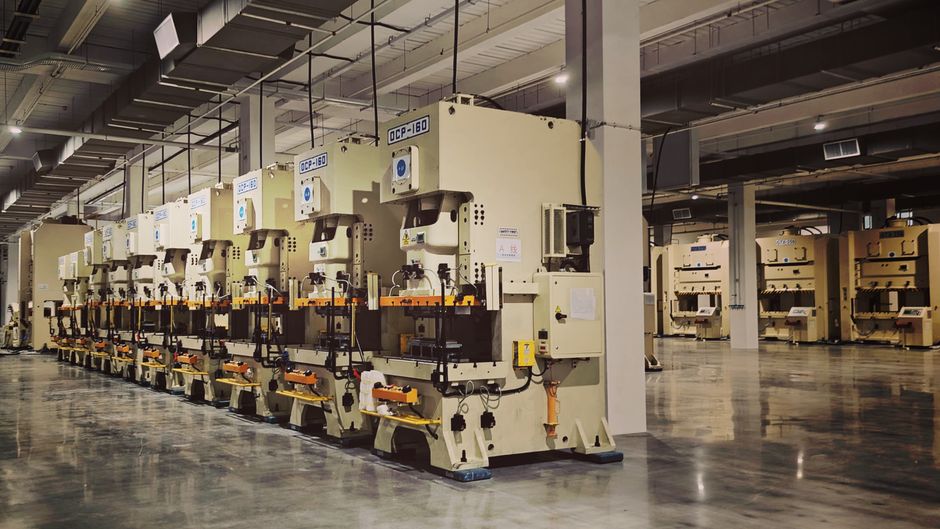
Introduction to Hydraulic Press Automation
In today's competitive manufacturing landscape, automation is no longer a luxury but a necessity. For B2B manufacturers specializing in hydraulic press foreign trade, integrating automation features can significantly boost productivity, reduce operational costs, and enhance product quality. This guide explores the key automation features that modern hydraulic presses offer, providing practical insights to help you optimize your manufacturing processes.

Key Automation Features for Enhanced Productivity
1. Programmable Logic Controllers (PLCs)
PLCs serve as the brain of automated hydraulic presses. They allow precise control over pressing cycles, speed, and force. By programming multiple press profiles, operators can switch between different tasks with minimal downtime. For example, a PLC can store settings for various materials, ensuring consistent pressure and dwell times. This reduces human error and speeds up changeovers, directly boosting throughput.
2. Servo-Hydraulic Systems
Traditional hydraulic systems run at constant speed, wasting energy. Servo-hydraulic systems use servo motors to adjust pump output in real time, matching the exact flow and pressure needed. This results in energy savings of up to 50% and faster cycle times. Additionally, servo systems offer smoother motion and higher positioning accuracy, critical for precision parts manufacturing.
3. Touchscreen HMI Interfaces
Modern hydraulic presses feature intuitive Human-Machine Interfaces (HMIs) with touchscreen displays. Operators can easily monitor press status, set parameters, and access diagnostic information. Advanced HMIs support multi-language options, making them ideal for international operations. Some systems include remote monitoring capabilities via IoT, allowing supervisors to track production metrics from anywhere.
4. Automatic Tool Changing
In high-mix manufacturing, tool changes can be a major bottleneck. Automated tool changers enable quick swaps between different dies or molds within seconds. This feature is often integrated with a tool storage system that preheats or prepares tools, reducing thermal stabilization time. For foreign trade manufacturers, this flexibility allows serving diverse client needs without sacrificing efficiency.
5. Real-Time Quality Monitoring
Integrated sensors measure force, displacement, temperature, and pressure during each press cycle. This data is analyzed in real time to detect anomalies. If a deviation is found, the system can automatically adjust parameters or reject defective parts. This reduces scrap rates and ensures consistent product quality, which is crucial for maintaining international standards.
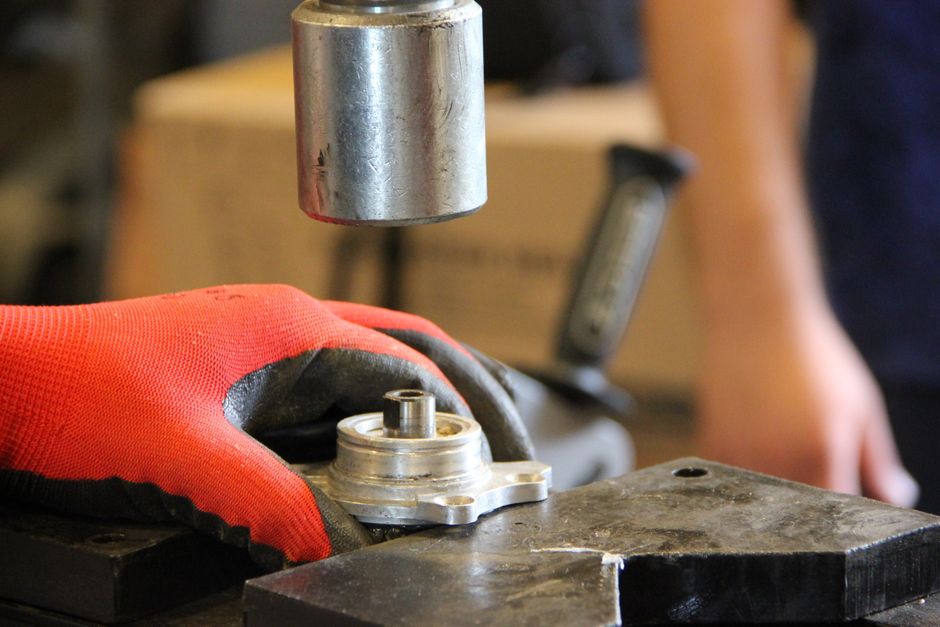
Practical Implementation Tips
- Start with a pilot cell: Before full-scale automation, implement a single press with automation features to test ROI and operator training.
- Invest in training: Ensure your team understands PLC programming and HMI operation. Many suppliers offer online courses.
- Choose modular systems: Opt for presses that allow adding automation features incrementally, such as retrofitting servo pumps or adding sensors later.
- Integrate with MES: Connect your hydraulic press to a Manufacturing Execution System (MES) for seamless data flow and production scheduling.
Case Study: Productivity Gains with Automation
A European hydraulic press manufacturer upgraded their 500-ton press with a servo-hydraulic system and PLC control. They reported a 30% reduction in cycle time, 25% energy savings, and a 15% decrease in scrap. The payback period was under 18 months. This demonstrates how automation investments can quickly translate into competitive advantages in foreign markets.
Future Trends in Hydraulic Press Automation
Looking ahead, artificial intelligence (AI) and machine learning will enable predictive maintenance and self-optimizing press cycles. Digital twins will allow virtual testing of new processes before physical implementation. For B2B exporters, staying ahead of these trends will be key to capturing market share.
Conclusion
Automation features such as PLCs, servo-hydraulics, HMIs, automatic tool changers, and real-time monitoring are transforming hydraulic presses into productivity powerhouses. By carefully selecting and implementing these features, B2B manufacturers can reduce costs, improve quality, and meet the demands of global customers. Evaluate your current operations and consider which automation upgrades will deliver the greatest impact for your business.