

Introduction
Hydraulic presses are workhorses in manufacturing, but even the best machines encounter issues. This guide covers common problems, their causes, and step-by-step fixes to minimize downtime. Whether you're a maintenance technician or plant manager, these practical tips will help you troubleshoot fast.
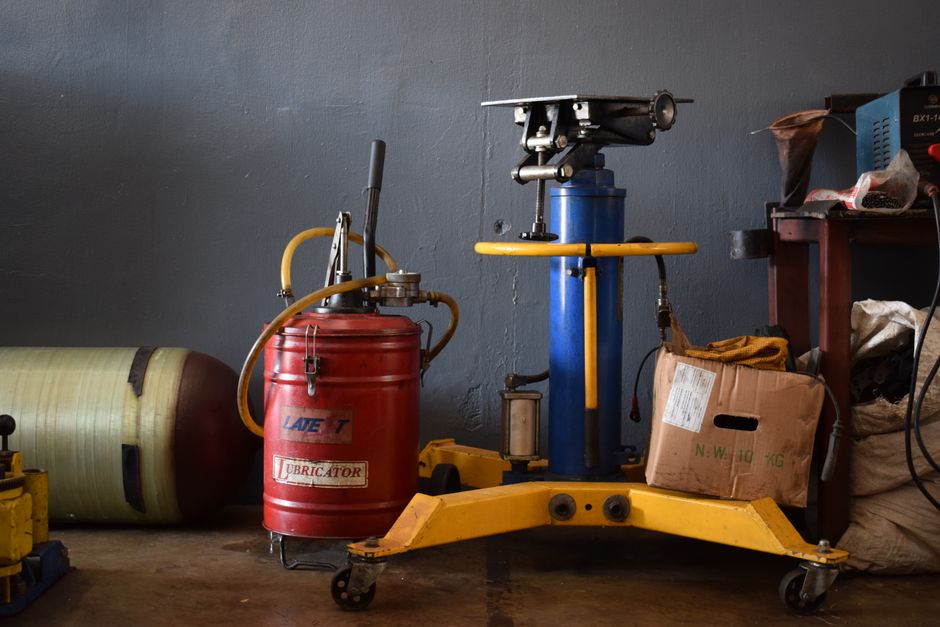
Common Hydraulic Press Problems
1. Press Not Building Pressure
Symptoms: Slow cycle time, weak ram force, or no movement.
Causes & Fixes:
- Low hydraulic fluid level: Check reservoir and top up with recommended oil.
- Clogged intake filter: Clean or replace filter element.
- Worn pump: Listen for unusual noise; test pump flow with a flow meter. Replace if necessary.
- Relief valve set too low: Adjust to manufacturer's specification.
2. Leaking Hydraulic Fluid
Symptoms: Puddles under machine, low fluid level, slippery surfaces.
Causes & Fixes:
- Damaged seals: Inspect cylinder rod seals and replace if cracked or worn.
- Loose fittings: Tighten all connections with proper torque.
- Ruptured hose: Replace hose and check for abrasion points.
3. Excessive Noise or Vibration
Symptoms: Knocking, whining, or shaking during operation.
Causes & Fixes:
- Aeration in fluid: Check for air leaks at suction line; bleed air from system.
- Cavitation: Ensure pump inlet is not restricted; increase fluid level or replace filter.
- Loose mounting bolts: Tighten base and motor mounts.
4. Ram Moves Slowly or Erratically
Symptoms: Jerky motion, inconsistent speed.
Causes & Fixes:
- Contaminated hydraulic oil: Sample and test for water or particles; change oil if needed.
- Sticky directional valve: Clean or replace spool; check solenoid voltage.
- Air in system: Cycle press without load to purge air.
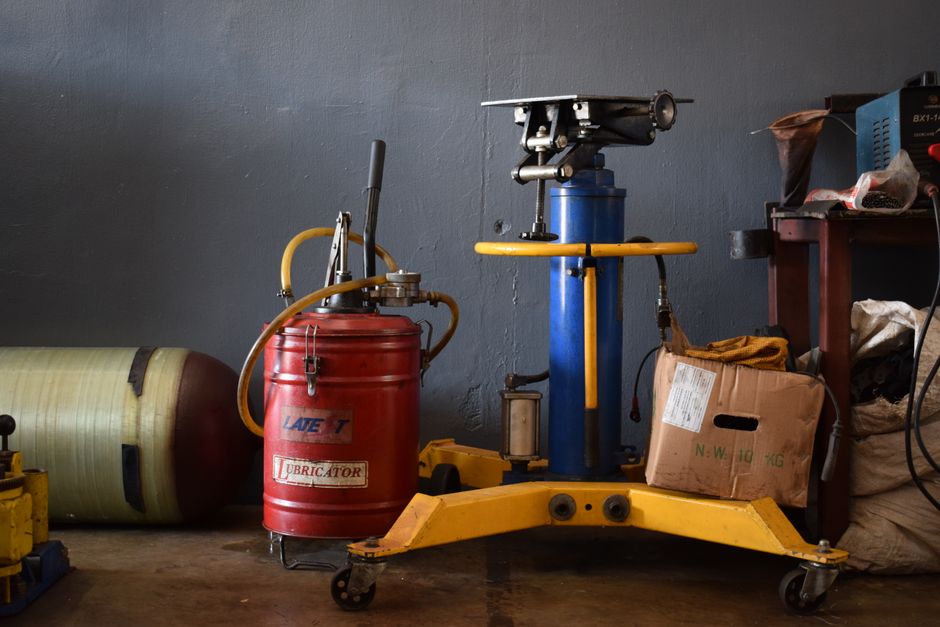
Step-by-Step Troubleshooting Guide
Step 1: Safety First
Lock out/tag out (LOTO) the machine. Relieve all hydraulic pressure before any inspection.
Step 2: Visual Inspection
Check for leaks, loose connections, and damaged hoses. Look at fluid level and color (milky indicates water contamination).
Step 3: Check Fluid and Filters
Inspect fluid level and condition. Replace filters if dirty. Use recommended viscosity grade.
Step 4: Test System Pressure
Use a pressure gauge at the pump outlet. Compare with rated pressure. Adjust relief valve if needed.
Step 5: Inspect Cylinders and Valves
Check cylinder rods for scoring. Test directional valves by manual override.
Step 6: Review Electrical Controls
Ensure all limit switches and sensors are aligned. Check for loose wires or blown fuses.
Preventive Maintenance Tips
- Change hydraulic oil every 2000 hours or per manufacturer.
- Replace filters every 500 hours or sooner in dusty environments.
- Inspect seals and hoses quarterly.
- Keep a log of pressure readings and cycle times.
- Train operators on proper startup and shutdown procedures.
When to Call a Professional
If you've tried the above and still have issues, contact your press manufacturer or a certified hydraulic technician. Complex problems like pump failure or internal cylinder damage require expert diagnosis.
Conclusion
Systematic troubleshooting saves time and money. By understanding common hydraulic press issues and following this guide, you can resolve most problems quickly. Remember: regular maintenance is the best prevention.