
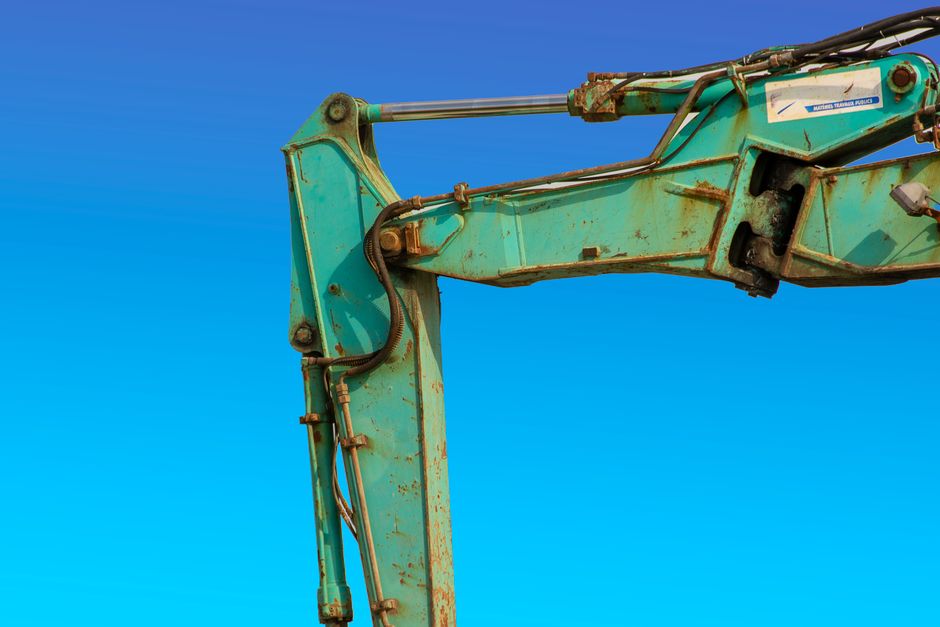
1. C-Frame Hydraulic Press: Versatile and Space-Saving
The C-frame hydraulic press, also known as a gap-frame press, is a popular choice for small to medium-sized metal forming operations. Its open-front design allows easy access to the work area, making it ideal for tasks like punching, bending, and straightening. This press type offers excellent versatility and can be integrated into automated production lines with minimal footprint.
For B2B buyers, C-frame presses typically range from 10 to 200 tons. Key advantages include lower initial cost, simple maintenance, and quick tooling changes. However, they may not be suitable for heavy-duty applications requiring high tonnage or extreme precision. Consider a C-frame press if your shop focuses on diverse, low-to-medium volume jobs.
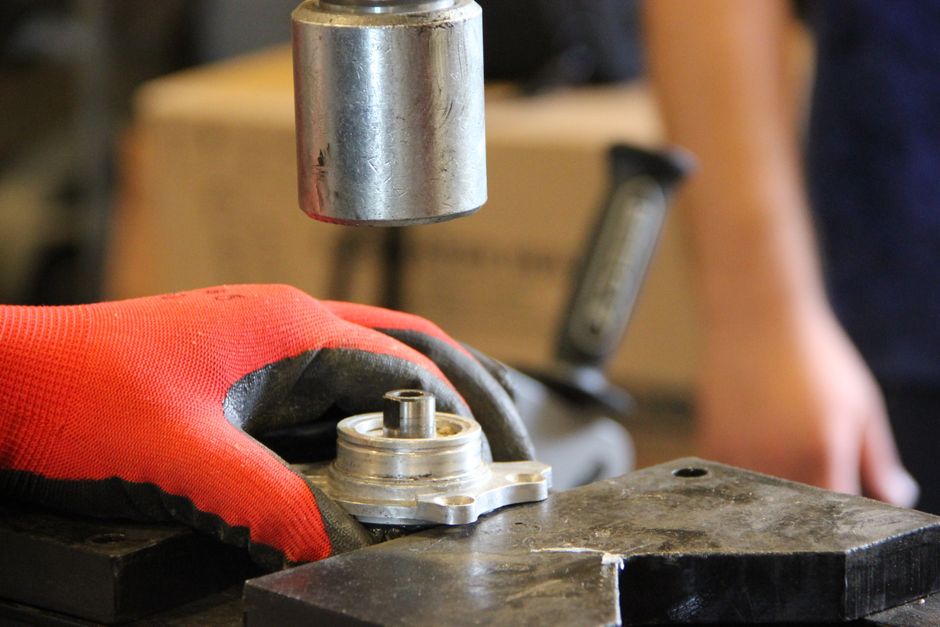
2. H-Frame Hydraulic Press: High Tonnage for Heavy-Duty Forming
H-frame hydraulic presses, or four-column presses, are the workhorses of metal forming. Their robust construction provides exceptional rigidity and stability, making them perfect for deep drawing, forging, and forming large parts. Capacities range from 50 tons to over 10,000 tons, accommodating the most demanding applications.
These presses offer precise control over speed and pressure, ensuring consistent part quality. They often feature advanced hydraulic systems with energy-saving technologies. While the initial investment is higher, the durability and performance of H-frame presses deliver long-term value for high-volume production shops. Choose this type for heavy forming tasks where accuracy and repeatability are critical.
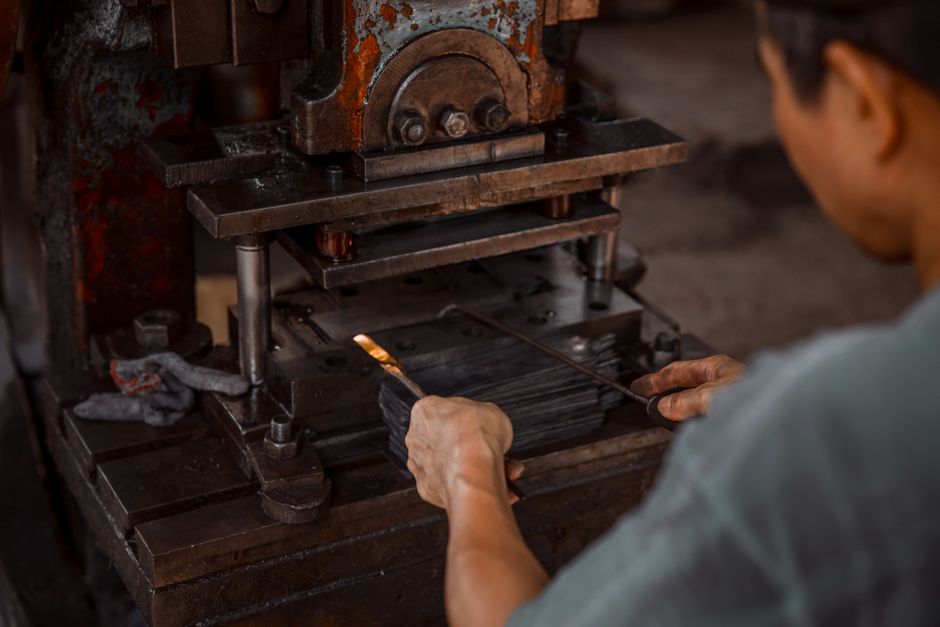
3. Four-Column Hydraulic Press: Precision and Stability
Four-column hydraulic presses are designed for applications requiring high precision and uniform force distribution. The four guide columns ensure minimal deflection, resulting in accurate forming even with off-center loads. This makes them ideal for complex dies and multi-step forming processes.
These presses are widely used in automotive, aerospace, and appliance manufacturing. They can be equipped with servo-driven pumps for enhanced energy efficiency and cycle time reduction. For shops producing intricate metal components with tight tolerances, a four-column press is a top choice. Expect capacities from 100 to 3,000 tons.
4. Servo-Hydraulic Press: Energy-Efficient and Smart
Servo-hydraulic presses combine the power of hydraulics with the precision of servo motor control. They offer programmable stroke, speed, and pressure profiles, enabling complex forming sequences in a single cycle. This technology reduces energy consumption by up to 50% compared to traditional hydraulic presses.
These presses are perfect for shops aiming to reduce operational costs and environmental impact. They also support Industry 4.0 integration, allowing real-time monitoring and predictive maintenance. While the upfront cost is higher, the ROI through energy savings and increased productivity is substantial. Ideal for high-mix, high-precision production.
5. Hydraulic Deep Drawing Press: Specialized for Cup-Shaped Parts
Deep drawing presses are specifically designed for forming sheet metal into cup-shaped or hollow parts. They feature a blank holder and a punch that works in a synchronized manner to prevent wrinkling and tearing. These presses are essential for manufacturing items like automotive panels, kitchen sinks, and fuel tanks.
Key specifications include draw depth, blank holder force, and stroke length. Modern deep drawing presses come with hydraulic cushions for improved control. For shops focused on deep drawing operations, investing in a dedicated press ensures higher quality and faster cycle times. Capacities typically range from 100 to 2,000 tons.
6. Hydraulic Press Brake: Bending Made Easy
Hydraulic press brakes are specialized for bending sheet metal into desired angles and shapes. They offer precise control over the bending process, with options like CNC backgauges and crowning systems for accuracy. These machines are vital for fabricating enclosures, brackets, and chassis.
Press brakes come in various sizes, from small 20-ton units to large 1,000-ton models. When selecting, consider bending length (e.g., 4m or 6m) and tonnage required for your material thickness. For shops that do a lot of bending, a press brake is a must-have. Look for models with energy-saving hydraulics and user-friendly controls.
7. Hydraulic Forging Press: Shaping Metal Under Extreme Force
Forging presses apply slow, sustained pressure to shape metal, often at elevated temperatures. They are used to produce high-strength components like crankshafts, gears, and tools. Hydraulic forging presses offer superior control over the forging process, resulting in better grain flow and mechanical properties.
These presses are typically large and require significant foundation work. Capacities start at 500 tons and can exceed 10,000 tons. For shops that specialize in forging, a hydraulic press is essential for producing parts that require high structural integrity. Consider factors like stroke speed, daylight, and table size when selecting.
In conclusion, choosing the right hydraulic press for metal forming depends on your specific application, production volume, and budget. Evaluate each type based on tonnage, precision, energy efficiency, and maintenance requirements. Investing in the correct press will enhance your shop's productivity and product quality.