

Introduction
Hydraulic presses are the workhorses of many manufacturing operations, delivering immense force for forming, stamping, and pressing tasks. As a B2B manufacturer in hydraulic press foreign trade, we understand that maximizing equipment lifespan is critical for your bottom line. Proper maintenance not only prevents costly downtime but also ensures consistent product quality and operator safety. In this comprehensive guide, we share expert tips and detailed procedures to keep your hydraulic press running smoothly for years.
1. Daily Inspection Routines
Visual Checks
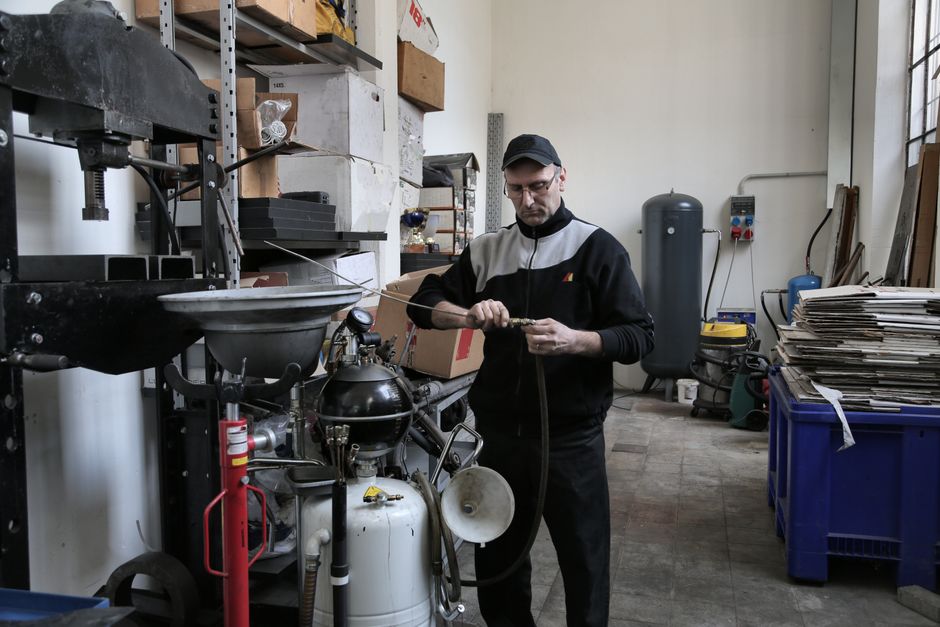
Before each shift, perform a quick visual inspection. Look for oil leaks around cylinders, hoses, and fittings. Check the hydraulic fluid level in the reservoir—it should be between the minimum and maximum marks. Inspect the condition of hydraulic hoses for cracks, abrasions, or bulges. Ensure that all guards and safety devices are in place and functioning.
Operational Checks
Start the press and listen for unusual noises like knocking or whining, which may indicate cavitation or air in the system. Run a few cycles without load to check for smooth operation and consistent pressure buildup. Verify that the pressure gauge readings match the set parameters.
2. Hydraulic Fluid Management
Choosing the Right Fluid
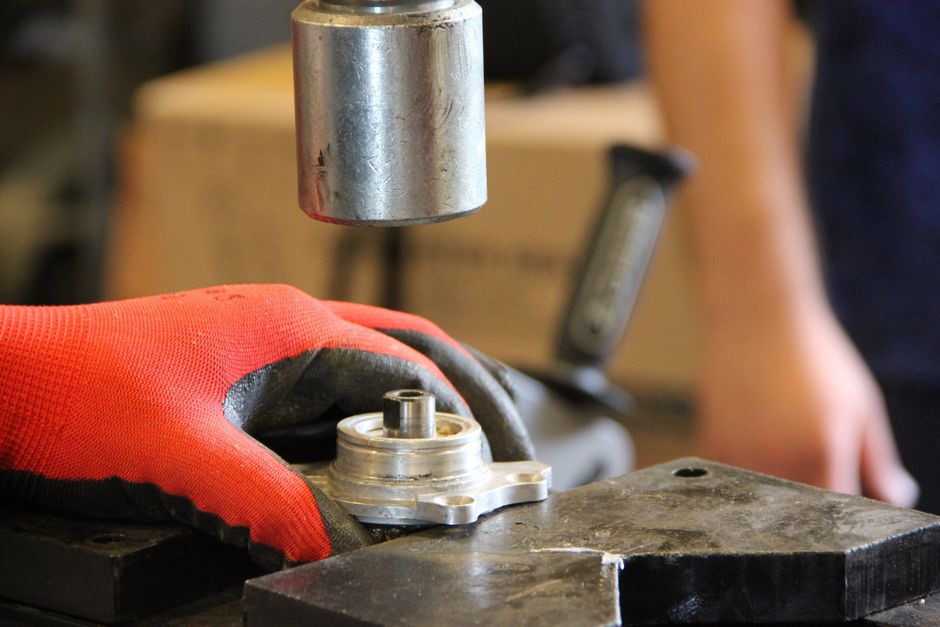
Use only the hydraulic fluid recommended by the manufacturer. Viscosity grade and additive package must match your operating temperature range. For most industrial presses, ISO VG 46 or 68 is common, but always consult the manual.
Fluid Sampling and Analysis
Implement a scheduled oil analysis program—quarterly or semi-annually. Send samples to a lab to check for wear metals, water content, and viscosity changes. Early detection of contamination can prevent pump and valve failures.
Filtration and Contamination Control
Replace return line and pressure filters according to the manufacturer's schedule. Consider upgrading to high-efficiency filters (βx≥1000) for critical applications. Keep the reservoir sealed and use breather filters with desiccants to prevent moisture ingress.
3. Seal and Cylinder Care
Inspecting Seals
Check rod seals and wiper seals for wear or extrusion. Leaking seals not only waste fluid but also allow contaminants to enter. Replace seals at the first sign of weeping. Always use OEM or equivalent quality seals.
Cylinder Rod Maintenance
Keep cylinder rods clean and free of scratches. Apply a light coat of oil to prevent rust. If a rod is scored, it may damage the seal—consider rechroming or replacement. Extend and retract cylinders fully during operation to distribute wear evenly.
Packing Glands
For presses with adjustable packing glands, tighten them just enough to stop leakage without causing excessive friction. Over-tightening leads to premature wear and higher energy consumption.
4. Pump and Motor Maintenance
Pump Alignment
Check the alignment between the electric motor and hydraulic pump. Misalignment causes vibration, noise, and bearing failure. Use a laser alignment tool for precision. Recheck after any motor or pump replacement.
Drive Couplings
Inspect flexible couplings for wear or cracks. Replace if there is excessive play. Ensure proper torque on coupling bolts.
Bearing Lubrication
Grease motor bearings according to the manufacturer's recommendations. Over-greasing can cause overheating. Use the correct grease type (usually NLGI #2).
5. Valve and Manifold Upkeep
Cleaning and Inspection
Remove and clean solenoid valves and pressure relief valves periodically. Debris can cause sticking or improper operation. Check for wear on spools and seats. Replace worn components.
Pressure Settings
Verify that relief valves are set to the correct pressure. A drifting setting can lead to overload or insufficient force. Use a calibrated gauge and adjust as needed.
Electrical Connections
Tighten loose connections on solenoid coils and limit switches. Corroded terminals cause intermittent faults. Apply dielectric grease to prevent corrosion in humid environments.
6. Structural and Frame Care
Bolted Joints
Check all bolts and fasteners on the press frame, especially tie rods and crown-to-bed connections. Retorque to specifications using a torque wrench. Loose bolts can cause misalignment and frame fatigue.
Guide Surfaces
Lubricate slide guides and gibs regularly. Wipe away debris. Adjust gib clearances if play is detected. Proper alignment reduces stress on the ram and tooling.
7. Cooling System Maintenance
Heat Exchangers
Clean air-cooled heat exchangers (radiators) with compressed air to remove dust. For water-cooled units, check for scale buildup and clean with appropriate chemicals. Ensure water flow is adequate.
Temperature Monitoring
Install temperature sensors in the reservoir and monitor readings. Ideal oil temperature is between 40°C and 55°C. If it exceeds 60°C, investigate cooling system issues or excessive load.
8. Electrical System Checks
Control Panel
Keep control panels clean and free of dust. Check for loose wires and burnt contacts. Use thermal imaging to detect hot spots. Verify that emergency stops and safety interlocks function correctly.
Motor Protection
Ensure overload relays are set correctly. Test motor winding insulation with a megohmmeter annually. Replace worn brushes in DC motors.
9. Scheduled Overhaul Planning
Based on operating hours (e.g., every 10,000 hours), plan a major overhaul. This includes replacing all seals, hoses, filters, and critical wear parts. Overhaul the pump and motor (bearings, seals). Recalibrate pressure and flow settings. Document all work for future reference.
10. Operator Training and Logs
Training Programs
Train operators on proper start-up and shut-down procedures, daily inspections, and basic troubleshooting. Empower them to report anomalies immediately.
Maintenance Logs
Keep a detailed log of all maintenance activities, fluid changes, filter replacements, and repairs. Use this data to identify recurring issues and optimize schedules.
Conclusion
Implementing a proactive maintenance strategy for your hydraulic press will dramatically extend its service life, reduce unexpected breakdowns, and improve production efficiency. By following these tips—from daily inspections to scheduled overhauls—you protect your investment and ensure reliable operation. For expert support and genuine spare parts, contact our team. We are here to help you maximize the lifespan of your hydraulic equipment.