
Introduction to Hydraulic Press Safety
Hydraulic presses are powerful machines used in manufacturing for shaping, forming, and compressing materials. While they offer immense productivity, they also pose significant risks if not equipped with proper safety features. For B2B buyers, understanding these safety mechanisms is crucial to protect operators, reduce liability, and ensure compliance with international standards. This guide explores the essential safety features every buyer should check before purchasing a hydraulic press.
1. Emergency Stop Systems
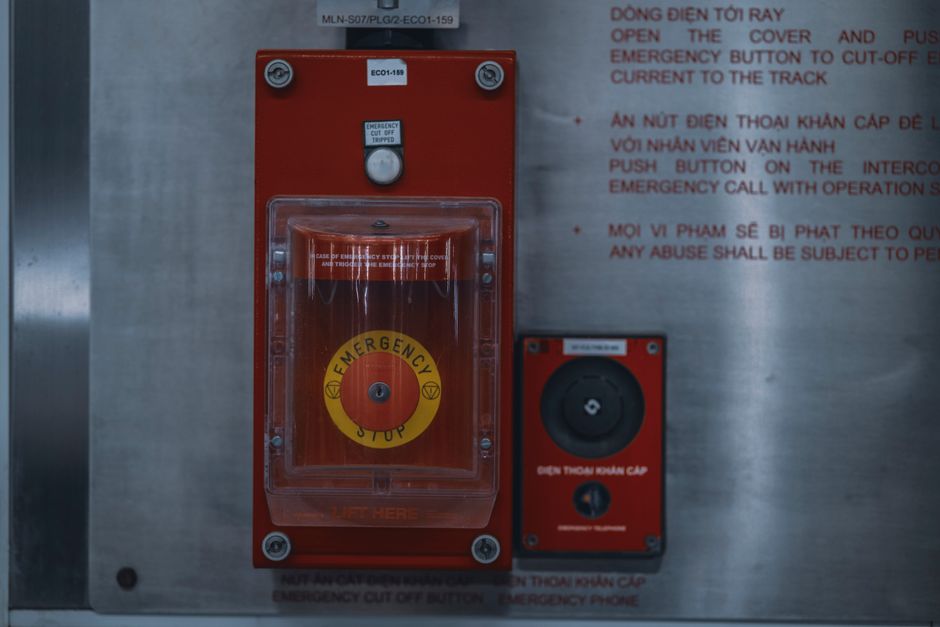
The most critical safety feature is a reliable emergency stop (E-stop) system. All hydraulic presses should have easily accessible E-stop buttons—typically red, mushroom-headed push buttons—located on the control panel and near the press area. When pressed, they must immediately halt all machine motion, including the pump, ram, and any auxiliary equipment. Check for dual-channel or redundant E-stop circuits that ensure fail-safe operation even if one component fails.
What to Look For:
- E-stop buttons that are large, brightly colored, and positioned within easy reach of the operator.
- A latching mechanism that requires manual reset to restart the machine.
- Compliance with standards like ISO 13850 or EN 60204-1.
2. Light Curtains and Safety Barriers
Light curtains are optoelectronic sensors that create an invisible protective field around the press. If an operator’s hand or body interrupts the field, the press stops immediately. These are especially important for presses with open tooling areas. Safety barriers—physical fences or guards—prevent accidental access to moving parts. Ensure any light curtain has a safety-rated controller (e.g., Type 4 per IEC 61496) and that barriers are interlocked so the press cannot operate when doors are open.
Key Considerations:
- Resolution of light curtains (typically 14 mm to 30 mm for finger/hand protection).
- Response time (less than 20 ms is standard).
- Distance from the hazardous area per ISO 13855 calculations.
3. Two-Hand Control (THC) Systems
Two-hand control requires the operator to press two buttons simultaneously—with both hands—to initiate a press cycle. This ensures that the operator’s hands are away from the die area during operation. THC systems must be designed to prevent bypassing (e.g., using one hand or a tool) and should have a time delay to prevent unintended restarts. Look for systems that meet ANSI B11.1 or EN 693 standards.
Important Features:
- Buttons spaced at least 300 mm apart to prevent one-hand operation.
- Simultaneous actuation within 0.5 seconds.
- Anti-tie-down monitoring to prevent jamming buttons.
4. Overload Protection
Hydraulic presses can generate extreme forces. Overload protection systems prevent damage to the machine and injury to operators by limiting the maximum force. Common mechanisms include pressure relief valves, load cells that monitor real-time force, and electronic overpressure shutoffs. Buyers should verify that the press has a redundant overload protection system that automatically stops the pump if pressure exceeds safe limits.
5. Safe Access and Maintenance Features
Maintenance safety features protect technicians during setup and repairs. These include:
- Lockout/Tagout (LOTO) provisions: Lockable disconnects for energy isolation.
- Hydraulic safety locks: Mechanical blocks that prevent ram descent during tool changes.
- Pressure release valves: Manual or automatic bleed valves to depressurize the system before maintenance.
- Anti-slip platforms and handrails: For presses with elevated work areas.
6. Noise and Vibration Control
Excessive noise and vibration can lead to operator fatigue and long-term health issues. Modern presses incorporate noise-dampening materials, vibration isolation mounts, and low-noise pump designs. Check for sound level ratings (typically below 85 dB(A) for safe operation) and vibration damping features that reduce transmitted energy.
7. Safety Certification and Compliance
Before purchasing, ensure the press complies with relevant safety standards. Common certifications include:
| Standard | Region | Focus |
|---|---|---|
| ISO 16092 | International | Hydraulic press safety |
| EN 693 | Europe | Hydraulic presses |
| ANSI B11.2 | USA | Hydraulic power presses |
| GB 17120 | China | Hydraulic press safety |
Ask the manufacturer for a declaration of conformity and risk assessment documentation.
8. Operator Training and Manuals
Even the best safety features are useless without proper training. Insist on comprehensive operator manuals that include safety instructions, emergency procedures, and maintenance schedules. Many reputable manufacturers offer on-site training or virtual sessions. Verify that the manual is available in the local language and includes clear diagrams.
Conclusion
Investing in a hydraulic press with robust safety features protects your workforce and your business. Prioritize machines with certified emergency stops, light curtains, two-hand controls, overload protection, and safe maintenance access. Always verify compliance with international standards and request training materials. A safe press is a productive press—choose wisely.