
Introduction
When equipping your factory for metal forming, assembly, or material handling, one of the most critical decisions is selecting the right press. Hydraulic and pneumatic presses are two of the most common types, each with distinct advantages and limitations. This article provides an in-depth comparison to help B2B manufacturers make an informed choice for their specific production needs.
What Is a Hydraulic Press?
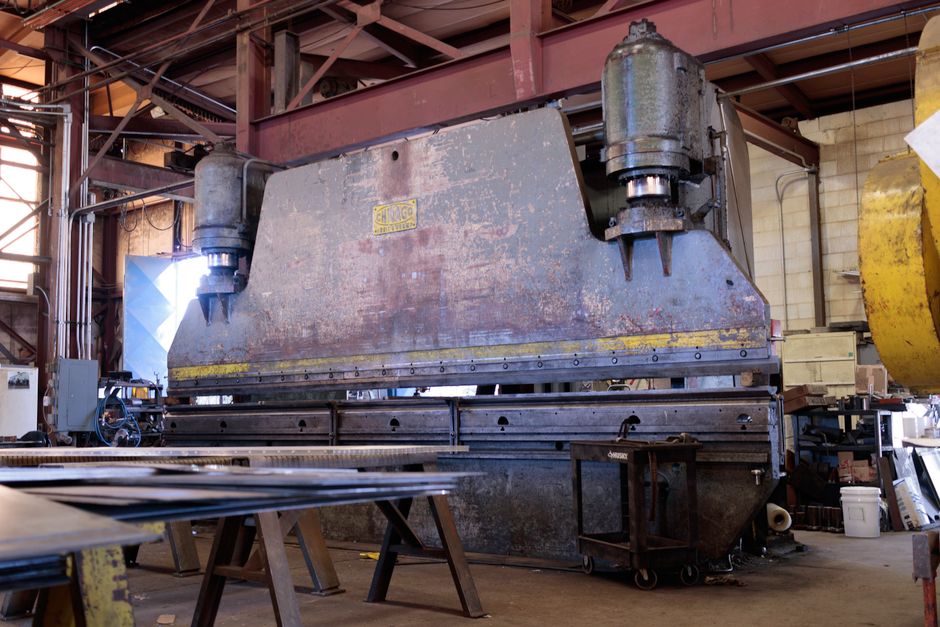
A hydraulic press uses Pascal's principle to generate compressive force through hydraulic fluid. A pump pushes oil into a cylinder, which moves a piston to apply force. These presses are known for delivering high tonnage (up to thousands of tons) with precise control over speed and pressure throughout the stroke.
What Is a Pneumatic Press?
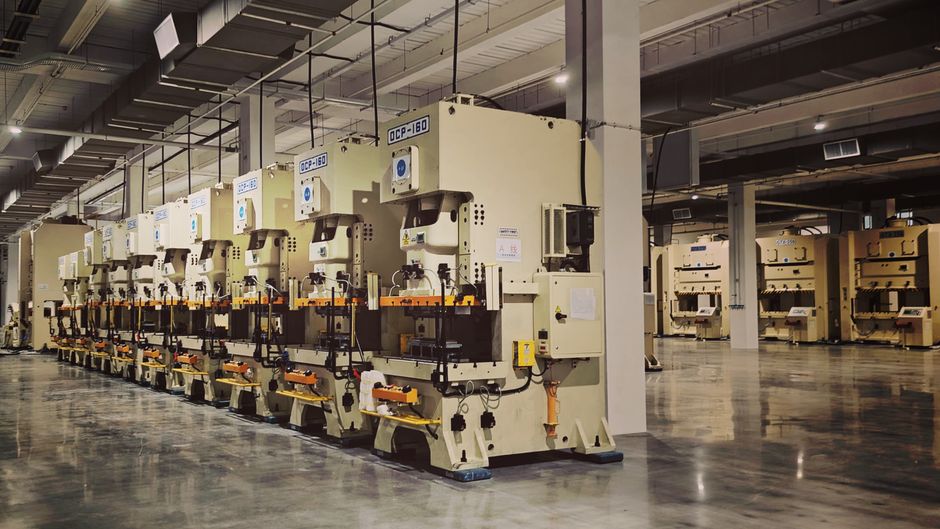
A pneumatic press, also called an air press, uses compressed air to create force. Air is stored in a tank and released into a cylinder to drive the piston. Pneumatic presses are typically used for lighter applications, offering fast cycle times and lower upfront costs.
Key Differences at a Glance
| Feature | Hydraulic Press | Pneumatic Press |
|---|---|---|
| Force Output | High (tons to thousands of tons) | Low to medium (typically up to 10 tons) |
| Speed | Moderate, adjustable | Very fast, especially in return stroke |
| Precision & Control | Excellent: full force at any point, programmable | Limited: force varies with pressure, less consistent |
| Energy Efficiency | Moderate (power only when moving) | Low (compressor runs constantly, leaks common) |
| Maintenance | Higher (oil leaks, filter changes) | Lower (simpler components, but air leaks) |
| Initial Cost | Higher | Lower |
| Operating Cost | Moderate | Higher in the long run (electricity for compressor) |
| Noise Level | Quieter (pump hum) | Louder (hissing, compressor noise) |
| Footprint | Larger (power unit, reservoir) | Smaller (if no large compressor) |
When to Choose a Hydraulic Press
High-Force Applications
If your process requires forces above 10 tons—such as deep drawing, forging, or heavy stamping—hydraulic presses are the only practical choice. Pneumatic presses cannot deliver the necessary tonnage.
Precision and Repeatability
Hydraulic systems maintain constant force throughout the stroke, making them ideal for operations like coining, embossing, or assembling parts that need consistent pressure. The ability to program speed and dwell time adds to quality control.
Variable Speed and Stroke Control
Hydraulic presses offer adjustable speed and pressure at any point in the stroke. This is crucial for processes requiring a slow approach, fast pressing, and controlled release.
When to Choose a Pneumatic Press
High-Speed, Low-Force Operations
For light stamping, punching, riveting, or assembly tasks that require rapid cycles (e.g., 60+ strokes per minute), pneumatic presses excel. Their fast actuation and quick return boost productivity.
Budget-Conscious Projects
If initial investment is a major constraint and your force requirements are under 10 tons, a pneumatic press is significantly cheaper. It also has a simpler design, reducing repair complexity.
Clean Environment Needs
Pneumatic systems are oil-free (if using oil-less compressors), making them suitable for cleanrooms, food processing, or medical device manufacturing where hydraulic fluid contamination is unacceptable.
Comparative Analysis: Key Factors
Force and Pressure
Hydraulic presses can generate from 10 tons to over 10,000 tons. Pneumatic presses typically max out around 10 tons. For heavy-duty work, hydraulic is mandatory.
Speed and Cycle Time
Pneumatic presses are faster, especially in return stroke (up to 1000 mm/s). Hydraulic presses have slower speeds but can be optimized with servo pumps. For high-volume, low-force tasks, pneumatic wins.
Energy Consumption
Hydraulic presses consume power only when moving (pump on demand). Pneumatic systems require a constantly running compressor, which is inefficient. Over a year, hydraulic often has lower operating costs despite higher initial price.
Maintenance and Reliability
Hydraulic systems need regular oil changes, seal replacements, and filter maintenance. Leaks can be messy. Pneumatic systems have fewer moving parts but suffer from air leaks and moisture buildup. Both require routine care.
Safety
Hydraulic presses can be dangerous due to high stored energy; they require robust guarding and lockout procedures. Pneumatic presses also need safety measures but have lower energy. Both should meet OSHA standards.
Table: Application Suitability
| Application | Recommended Press Type | Reason |
|---|---|---|
| Deep drawing, forging | Hydraulic | High force, full stroke control |
| Light stamping, punching | Pneumatic | High speed, low cost |
| Assembly, riveting | Pneumatic | Fast cycles, moderate force |
| Coining, embossing | Hydraulic | Precision, constant pressure |
| Compression molding | Hydraulic | Sustained high force |
| Cutting, blanking | Either | Depends on force and speed needs |
Recommendation
For most B2B manufacturing applications that involve metal forming, deep drawing, or any operation requiring forces above 10 tons, a hydraulic press is the superior choice. It offers the force, precision, and energy efficiency that justify the higher upfront investment. For low-force, high-speed assembly or light stamping where budget is tight, a pneumatic press can be effective. However, consider the total cost of ownership: hydraulic presses often pay off over time through lower energy bills and greater process control. We recommend evaluating your specific force requirements, cycle times, and quality standards before deciding. Our team can help you select the right press for your factory.