
Introduction
Exporting hydraulic presses is a complex process that involves navigating international regulations, logistics, and customer expectations. Even experienced manufacturers can make costly mistakes that damage their reputation and bottom line. In this guide, we highlight the top 5 hydraulic press export mistakes and provide actionable tips to avoid them.
1. Ignoring Compliance with International Standards
One of the most critical mistakes is failing to ensure your hydraulic press meets the safety and quality standards of the target country. For example, the European Union requires CE marking, while the US demands OSHA compliance. Non-compliance can lead to rejected shipments, fines, or legal liability.
How to Avoid This Mistake
- Research the specific standards for each target market (e.g., ISO 12100 for safety of machinery).
- Work with a compliance consultant or testing lab to certify your equipment.
- Include documentation like Declaration of Conformity and user manuals in the local language.
2. Inadequate Packaging and Shipping Preparation
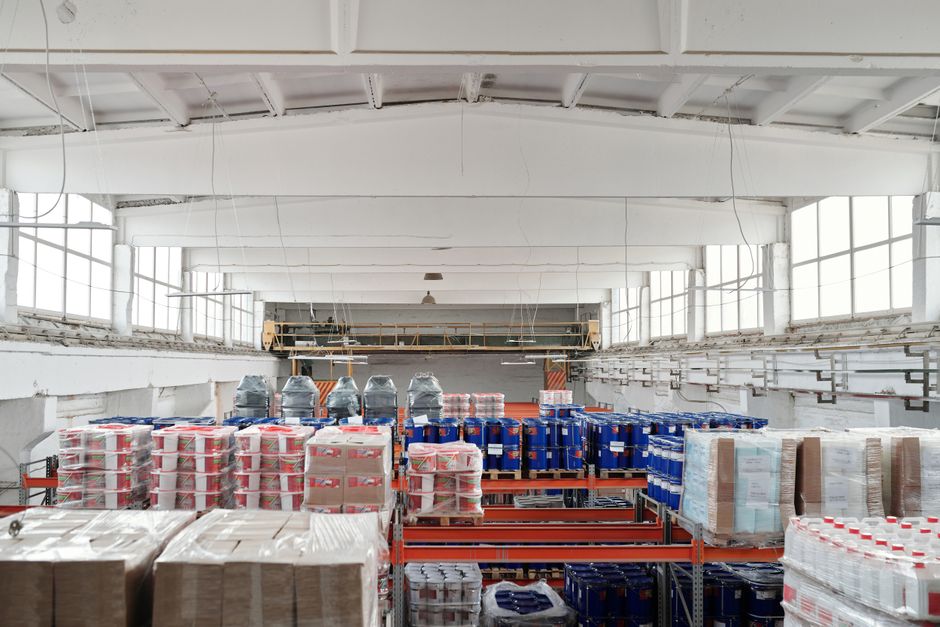
Hydraulic presses are heavy and sensitive to moisture and impact. Poor packaging can result in damage during transit, leading to costly returns and unhappy customers.
Best Practices for Packaging
- Use robust wooden crates with internal bracing to prevent movement.
- Apply rust-proof coatings and desiccants to protect against humidity.
- Clearly label handling instructions (e.g., "Fragile", "Keep Dry").
Additionally, choose a freight forwarder experienced in heavy machinery. They can help with proper container loading and customs clearance.
3. Misunderstanding Incoterms and Payment Terms
Incoterms define the responsibilities of buyer and seller, including shipping, insurance, and risk transfer. Misusing them can lead to disputes over costs or liability.
| Common Incoterm | Seller's Responsibility | Buyer's Responsibility |
|---|---|---|
| FOB (Free on Board) | Deliver goods to port and load onto vessel | All costs from port of origin onward |
| CIF (Cost, Insurance, Freight) | Pay for transport and insurance to destination port | Import duties and local delivery |
| DDP (Delivered Duty Paid) | All costs including import duties | Unload at final destination |
Always clarify which Incoterm applies in your contract. For payment, consider using letters of credit for first-time or high-value transactions to reduce risk.
4. Overlooking Cultural and Communication Barriers
Exporting requires effective communication with international buyers. Language differences, time zones, and business etiquette can cause misunderstandings.
Tips for Better Communication
- Hire bilingual sales staff or use professional translation services for contracts and manuals.
- Be mindful of cultural norms (e.g., in Japan, business cards are exchanged with both hands).
- Use video calls to build rapport and clarify technical specifications.
Providing clear, detailed product information upfront can prevent costly errors later.
5. Neglecting After-Sales Support and Spare Parts
Hydraulic presses require ongoing maintenance and occasional repairs. If you don't offer reliable after-sales support, customers may switch to competitors.
Building a Support System
- Stock spare parts in regional warehouses or partner with local distributors.
- Provide remote troubleshooting via video or phone.
- Train local technicians through online courses or on-site visits.
Excellent after-sales service builds long-term loyalty and leads to repeat orders.
Conclusion
Avoiding these five mistakes can significantly improve your export success. Focus on compliance, packaging, clear contracts, cultural sensitivity, and strong support. By doing so, you'll build a reputation as a reliable global supplier of hydraulic presses.