

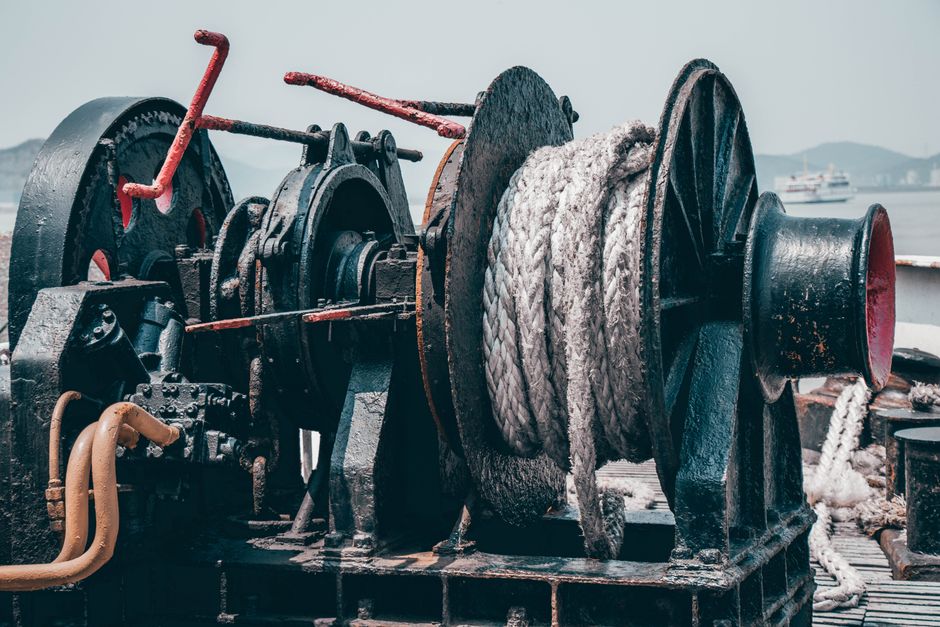
Introduction to Hydraulic Press Shipping Logistics
Shipping a hydraulic press involves more than just loading it onto a truck. These heavy, often oversized machines require careful planning, specialized equipment, and compliance with international regulations. Whether you are a manufacturer or a buyer, understanding the logistics process helps avoid delays, damage, and unexpected costs.

Key Considerations Before Shipping
Weight and Dimensions
Hydraulic presses can weigh from a few tons to over 100 tons. Accurate weight and dimensions are critical for selecting the right transport method and obtaining permits. Always provide a detailed specification sheet to your logistics provider.
Disassembly and Crating
To reduce shipping volume and protect sensitive components, presses are often partially disassembled. Common parts removed include the pump, motor, control panels, and hydraulic cylinders. Each component should be properly labeled, photographed, and packed in custom crates with adequate cushioning.
Export/Import Documentation
International shipments require a commercial invoice, packing list, bill of lading, and certificate of origin. Additionally, some countries require specific import permits or compliance with safety standards. Work with a freight forwarder experienced in heavy machinery.
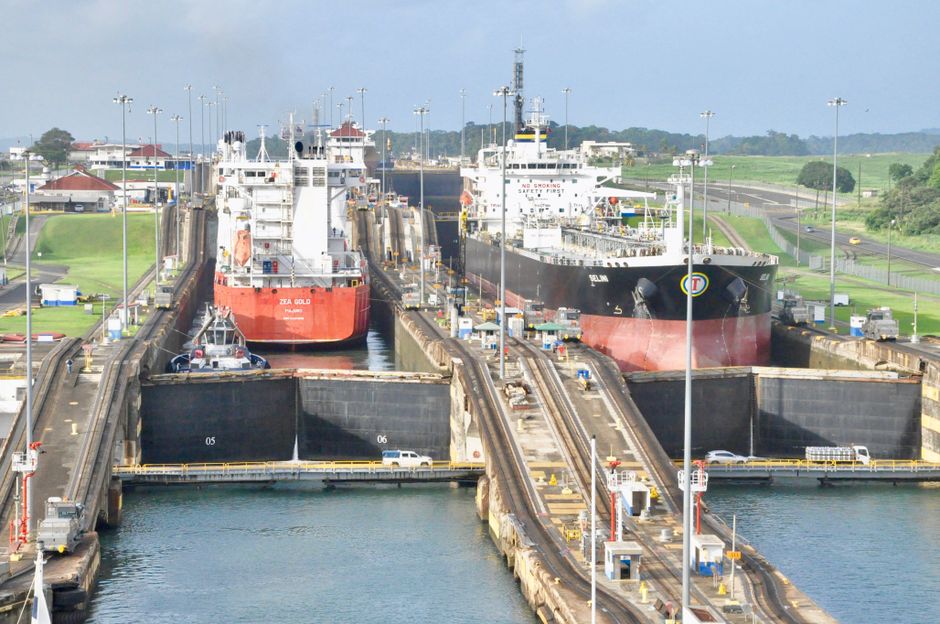
Choosing the Right Shipping Method
| Method | Best For | Pros | Cons |
|---|---|---|---|
| Flat Rack Container | Oversized presses up to 40 tons | Secure, cost-effective for ocean freight | Limited availability, requires crane |
| Open Top Container | Tall presses (over 8.5 ft) | Loading from top, weather protection | Higher cost than standard container |
| Break Bulk | Very heavy or large presses | No size restrictions, direct loading | Slower, more handling, higher risk |
| RORO (Roll-on/Roll-off) | Presses on trailers or skids | Fast loading, no crane needed | Not suitable for all press types |
Packing and Protection Best Practices
Moisture and Corrosion Protection
Hydraulic systems are sensitive to moisture. Use VCI (Vapor Corrosion Inhibitor) bags, desiccants, and waterproof wrapping. For sea freight, consider vacuum sealing the control panel and applying rust preventive oil on exposed metal surfaces.
Cushioning and Bracing
Heavy components must be securely braced inside crates to prevent shifting. Use wooden blocks, steel straps, and foam padding. Ensure the press's center of gravity is low and stable. For delicate parts like sensors, use shock-absorbing materials.
Marking and Labeling
Clearly mark each crate with the consignee details, weight, handling instructions (e.g., "This Side Up", "Fragile"), and any hazardous material labels if applicable. Include a packing list inside a waterproof pouch.
Insurance and Liability
Hydraulic presses are high-value assets. Standard carrier liability is limited (often under $2 per pound). Purchase all-risk marine insurance or inland transit insurance covering the full value. Document the condition with photos before shipping to support potential claims.
Customs Clearance and Duties
Each country has different tariff codes for hydraulic presses (typically HS 8462.91). Duties can range from 0% to 10%. Be aware of anti-dumping duties in certain regions. Provide accurate product descriptions and values to avoid delays. Consider using a customs broker.
Final Delivery and Installation
Coordinate with the buyer for offloading equipment (crane, forklift) and site preparation. Some presses require a concrete foundation. Provide an installation manual and offer remote or on-site technical support. Ensure proper disposal of packing materials.
Common Mistakes to Avoid
- Underestimating total weight – leads to permit issues and safety risks.
- Poor communication of dimensions – results in container fit problems.
- Insufficient rust protection – causes damage in humid conditions.
- Missing documentation – delays customs clearance.
- Choosing the cheapest carrier – often leads to damage or loss.
Conclusion
Shipping a hydraulic press requires meticulous planning and collaboration with experienced logistics partners. By considering weight, packing, documentation, and insurance, you can ensure your press arrives safely and on time. Invest in proper preparation to protect your investment and maintain customer satisfaction.