Introduction
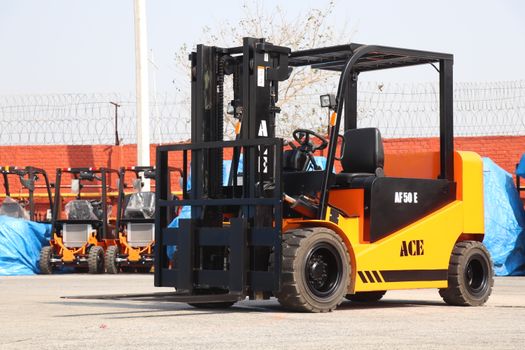
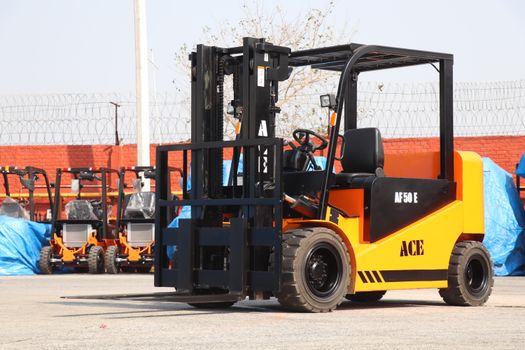
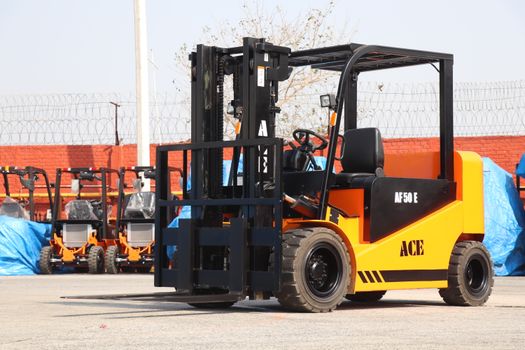
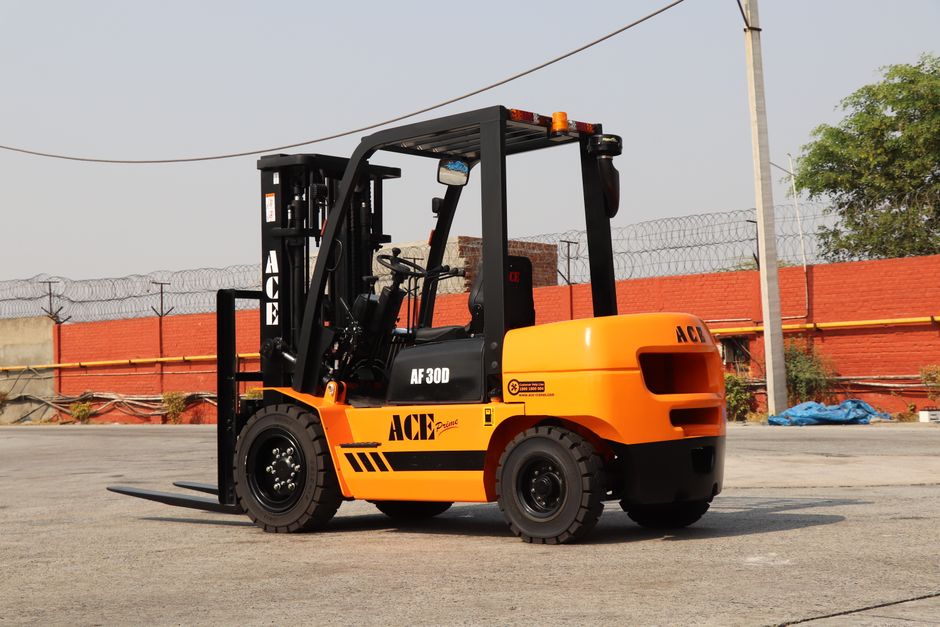
In the rapidly evolving logistics industry, the choice between new energy (electric) forklifts and traditional diesel forklifts has significant implications for operational costs, environmental impact, and long-term profitability. This article provides a comprehensive cost analysis, comparing upfront investment, fuel/energy costs, maintenance, and total cost of ownership (TCO). We also include a detailed feature comparison table and a clear recommendation to help B2B buyers make informed decisions.

Upfront Investment
New energy forklifts typically have a higher initial purchase price than diesel models due to battery and electronics costs. However, prices are decreasing as technology matures and production scales. Diesel forklifts have a lower upfront cost but may require additional expenses for emission control systems in certain regions.
| Cost Component | New Energy Forklift | Diesel Forklift |
|---|---|---|
| Base price (3-ton capacity) | $30,000 - $40,000 | $25,000 - $35,000 |
| Battery/engine | Lithium-ion battery included | Diesel engine included |
| Charging infrastructure | $2,000 - $5,000 (charger & installation) | None |
| Tax incentives/rebates | Up to 30% (varies by region) | None |
Fuel/Energy Costs
Electricity is generally cheaper than diesel on a per-hour basis. Diesel prices fluctuate with oil markets, while electricity rates are more stable. New energy forklifts also benefit from regenerative braking, reducing energy consumption.
| Cost Factor | New Energy Forklift | Diesel Forklift |
|---|---|---|
| Energy cost per hour | $1.50 - $2.50 | $4.00 - $6.00 |
| Annual energy cost (2,000 hours) | $3,000 - $5,000 | $8,000 - $12,000 |
| Price volatility | Low | High |
Maintenance and Repair
New energy forklifts have fewer moving parts, leading to lower maintenance costs. No oil changes, fuel filters, or exhaust system repairs. Diesel forklifts require regular engine maintenance and more frequent part replacements.
| Maintenance Item | New Energy Forklift | Diesel Forklift |
|---|---|---|
| Annual maintenance cost | $1,000 - $2,000 | $3,000 - $5,000 |
| Oil changes | Not required | Every 250 hours |
| Brake pad replacement | Less frequent (regenerative braking) | More frequent |
| Battery replacement (every 5-7 years) | $5,000 - $8,000 | N/A |
Total Cost of Ownership (TCO) Over 5 Years
Assuming 2,000 operating hours per year, the TCO for a new energy forklift is typically lower, despite higher upfront cost. Below is a comparative TCO breakdown.
| Cost Category | New Energy Forklift | Diesel Forklift |
|---|---|---|
| Purchase price | $35,000 | $30,000 |
| Charging infrastructure | $3,500 | $0 |
| Energy costs (5 years) | $20,000 | $50,000 |
| Maintenance (5 years) | $7,500 | $20,000 |
| Battery replacement (once) | $6,500 | $0 |
| Resale value (after 5 years) | -$8,000 | -$5,000 |
| Total Cost of Ownership | $64,500 | $95,000 |
Environmental and Regulatory Factors
New energy forklifts produce zero emissions, making them ideal for indoor use and compliance with stricter environmental regulations. Diesel forklifts emit CO2, NOx, and particulates, which may incur carbon taxes or require costly aftertreatment systems. Many countries are phasing out diesel equipment in warehouses.
Operational Advantages
- New Energy: Quieter operation, no exhaust fumes, instant torque, suitable for cold storage, lower vibration.
- Diesel: Longer continuous runtime (refuel vs recharge), higher power for heavy loads, well-established refueling infrastructure.
Recommendation
For most indoor warehouse and logistics applications, new energy forklifts offer a lower total cost of ownership, reduced maintenance, and environmental benefits. The higher upfront cost is offset within 2-3 years through energy and maintenance savings. Diesel forklifts remain viable for outdoor operations with limited charging infrastructure or where extremely high power is needed for heavy lifting over long shifts. However, with advancing battery technology and falling prices, new energy is the clear winner for B2B buyers seeking long-term cost efficiency and sustainability.
Conclusion
When evaluating forklifts for your fleet, conduct a thorough TCO analysis considering your specific usage patterns. Our new energy forklifts combine cutting-edge lithium-ion battery technology with robust build quality, ensuring maximum ROI. Contact us for a personalized cost comparison and demo.