Introduction
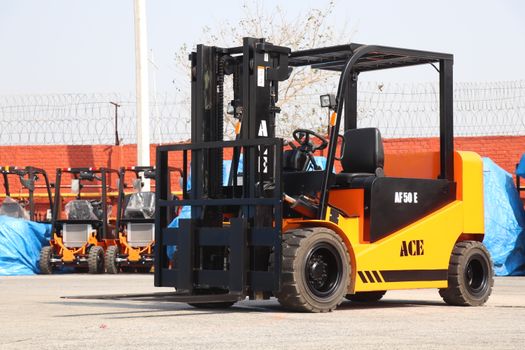
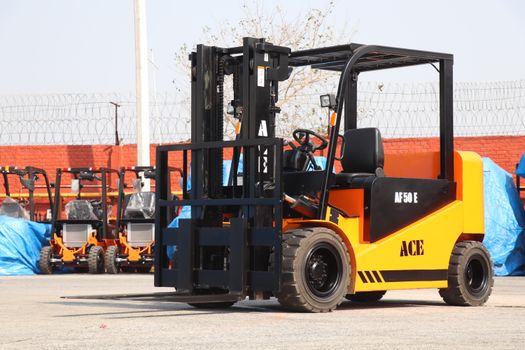
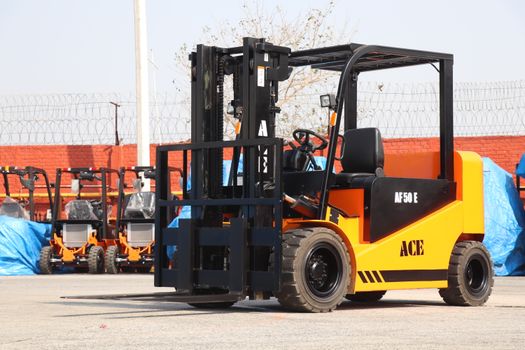
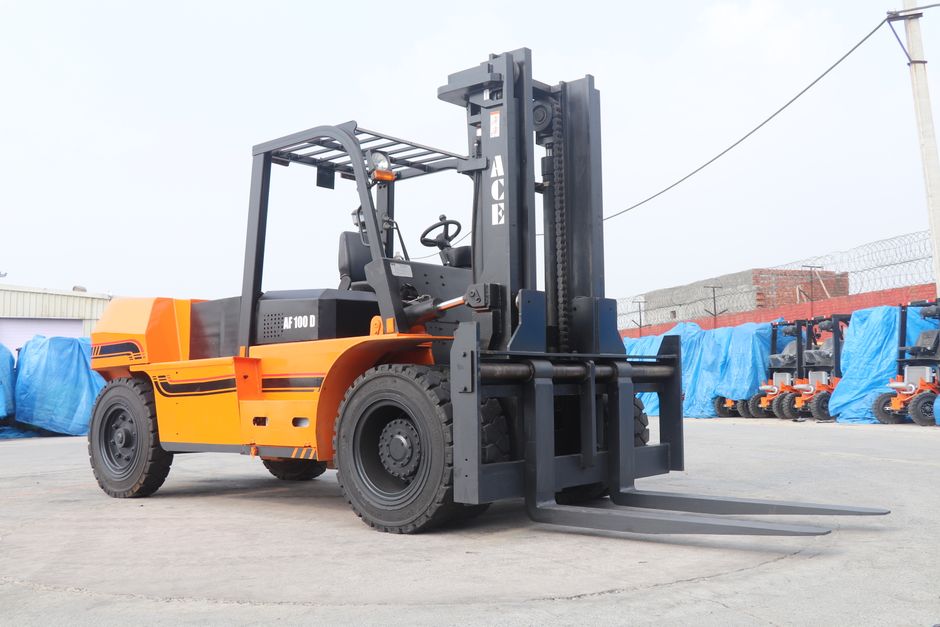
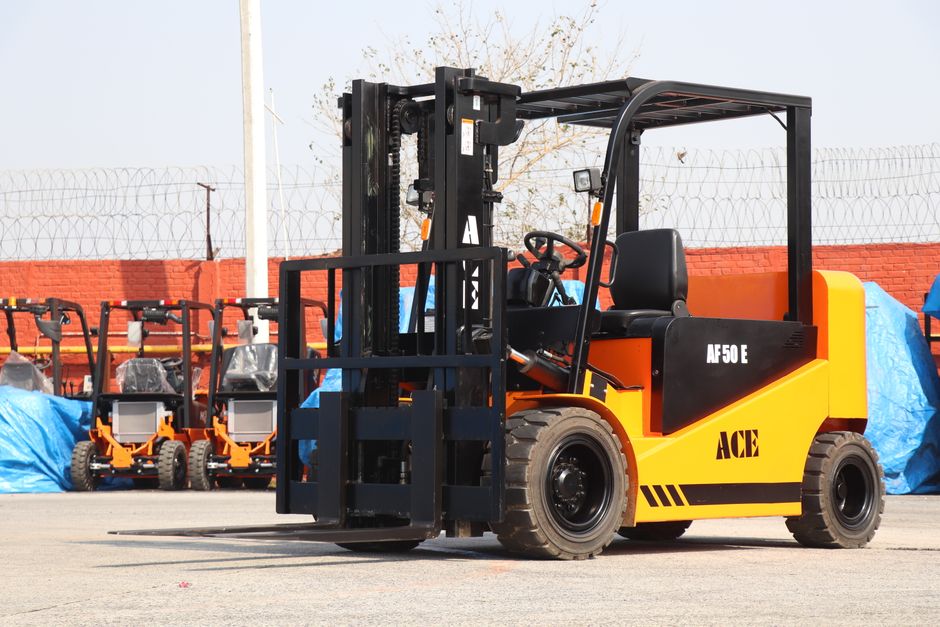
New energy forklifts, including electric and hydrogen fuel cell models, are gaining traction in material handling due to their environmental benefits and lower operating costs. However, the initial purchase price can be significantly higher than traditional internal combustion forklifts. To accelerate adoption, many governments worldwide offer subsidies, tax incentives, and grants. This comprehensive guide explains the types of subsidies available, how to qualify, and strategies to maximize your savings.
Types of Government Subsidies for New Energy Forklifts
1. Purchase Rebates and Grants
Direct financial incentives reduce the upfront cost. For example, the U.S. Environmental Protection Agency's Clean Diesel Program offers grants for replacing diesel forklifts with electric models. In China, the "New Energy Vehicle Subsidy" provides up to 30% of the purchase price for electric forklifts. Check local economic development agencies for similar programs.
2. Tax Credits and Deductions
Businesses can claim federal tax credits, such as the U.S. Alternative Fuel Vehicle Refueling Property Credit (30% of cost, up to $30,000) for charging infrastructure. Some states offer additional credits. In Europe, VAT reductions on electric forklifts apply in countries like Germany and France.
3. Low-Interest Loans and Leasing Programs
Government-backed loans, like the U.S. Small Business Administration's 504 Loan Program, can finance forklifts with lower interest rates. Leasing programs with subsidized rates are available through some state energy offices.
4. Scrappage Incentives
Trade-in programs offer bonuses for retiring old diesel forklifts. For instance, Japan's "Green Logistics" initiative provides ¥500,000 per unit when replacing with electric models.
How to Find and Apply for Subsidies
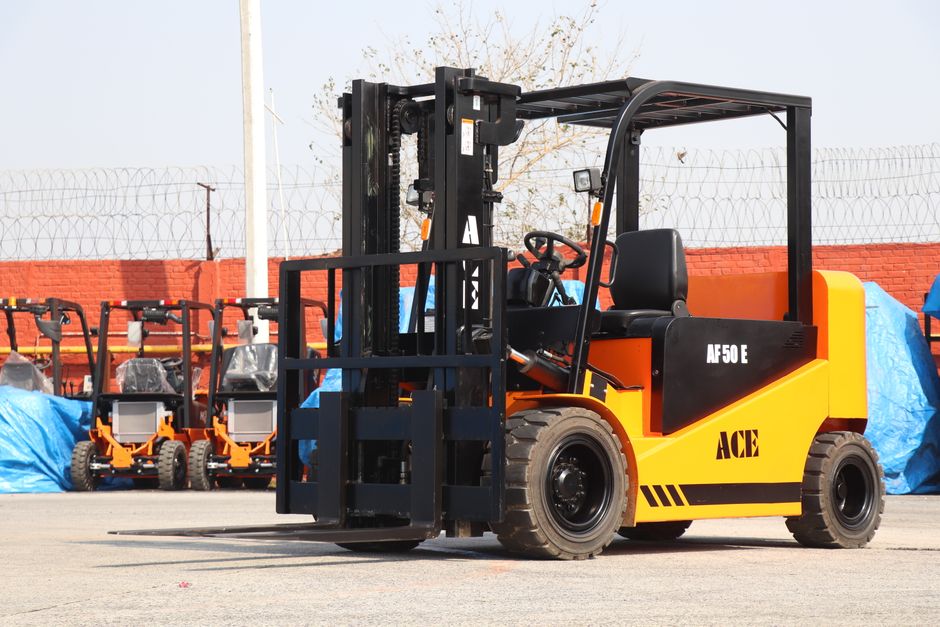
Step 1: Identify Applicable Programs
Search government websites (e.g., grants.gov in the U.S., EU Funding & Tenders Portal). Focus on keywords: "clean energy forklift subsidy," "electric forklift grant." Contact your local economic development office.
Step 2: Understand Eligibility Criteria
Most programs require the forklift to be new, meet specific energy standards (e.g., UL 583), and be used for commercial purposes. Some target small businesses or specific industries like warehousing.
Step 3: Prepare Documentation
Gather proof of purchase, equipment specifications, and business registration. For scrappage, provide photos of old forklifts. Submit applications before deadlines, often with a cap on total funding.
Practical Tips to Maximize Subsidies
- Bundle purchases: Some programs offer higher rebates for bulk orders (e.g., 10+ forklifts).
- Combine federal and state incentives: Stacking is allowed in many jurisdictions.
- Invest in charging infrastructure: Many subsidies cover chargers and battery management systems.
- Lease instead of buy: Leasing may qualify for operational expense deductions.
- Consult a tax professional: Ensure you correctly claim credits on annual returns.
Case Study: Successful Subsidy Utilization
A logistics company in California replaced 15 diesel forklifts with electric models. They received a $7,500 per unit rebate from the California Air Resources Board (CARB), a 30% federal tax credit for charging stations, and a low-interest loan from the state. Total savings exceeded $200,000, reducing payback period to 2.5 years.
Future Trends in Subsidies
Governments are increasingly tying subsidies to sustainability goals. Expect stricter emissions standards and higher incentives for hydrogen fuel cell forklifts. The EU's Green Deal and China's "Dual Carbon" targets will likely expand funding. Stay informed by subscribing to industry newsletters.
Conclusion
Government subsidies significantly lower the total cost of ownership for new energy forklifts. By researching available programs, preparing thorough applications, and leveraging expert advice, businesses can accelerate their transition to green logistics. Contact our team for assistance in identifying applicable subsidies in your region.