Introduction
In the logistics and material handling industry, noise pollution is a growing concern. Warehouses, distribution centers, and ports are increasingly adopting electric forklifts to meet sustainability goals and improve working conditions. This article compares the noise levels of new energy (electric) forklifts versus traditional diesel forklifts, providing data and insights to help B2B buyers make informed decisions.
Noise Level Comparison Overview
Diesel Forklifts
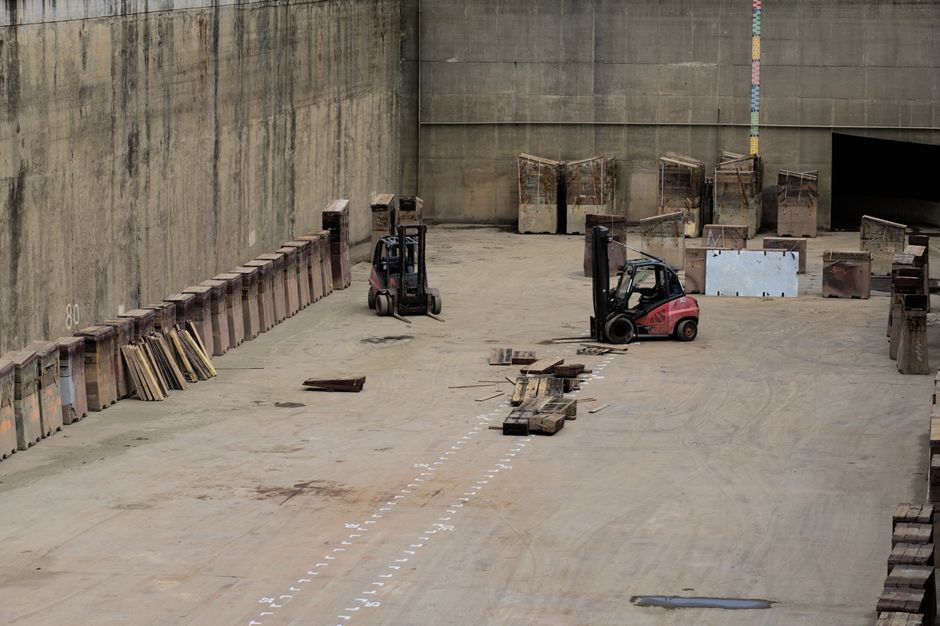
Diesel forklifts are known for their power and durability, but they come with significant noise drawbacks. The internal combustion engine, hydraulic systems, and cooling fans generate high noise levels, typically ranging from 80 to 90 decibels (dB) under normal operation. Prolonged exposure to such noise can lead to hearing damage and operator fatigue.
New Energy Forklifts
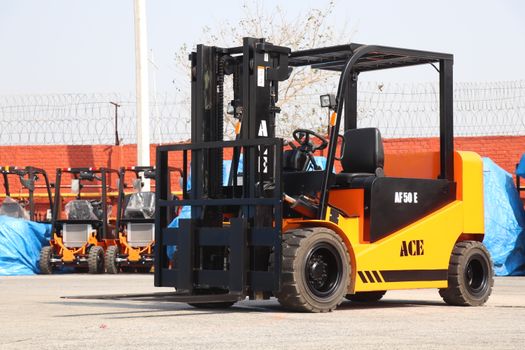
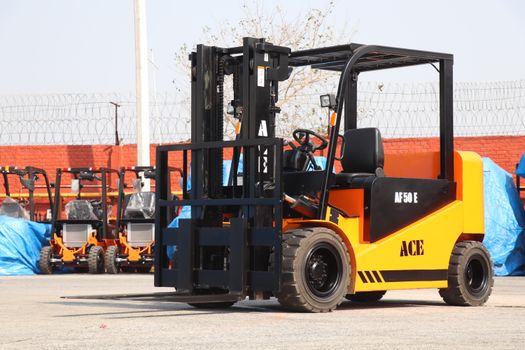
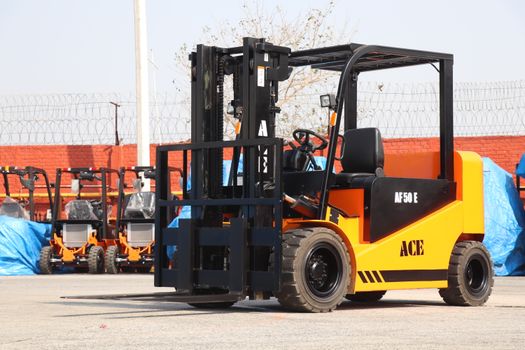
New energy forklifts, including battery electric and fuel cell models, operate much more quietly. Electric motors produce minimal noise, and the absence of an engine reduces overall sound. Typical noise levels range from 60 to 70 dB, which is comparable to normal conversation. This quiet operation enhances workplace safety and comfort.
Comparative Data Table
| Feature | Diesel Forklift | New Energy Forklift |
|---|---|---|
| Average Noise Level (dB) | 80-90 dB | 60-70 dB |
| Peak Noise (dB) | 95-105 dB | 75-80 dB |
| Sound at Operator Ear | 85 dB | 65 dB |
| Noise Reduction vs Diesel | Baseline | ~20 dB reduction |
| Vibration Level | High | Low |
| Indoor Use Suitability | Poor (exhaust and noise) | Excellent |
| Operator Fatigue | Higher | Lower |
Detailed Analysis
Impact on Operator Health
Prolonged exposure to noise above 85 dB can cause hearing loss. Diesel forklifts often exceed this threshold, requiring hearing protection. New energy forklifts operate well below 85 dB, reducing the need for PPE and improving communication.
Workplace Environment
In indoor settings, diesel forklifts require ventilation systems to remove exhaust fumes, which also add noise. Electric forklifts produce zero emissions and minimal noise, making them ideal for enclosed spaces.
Regulatory Compliance
Many countries have strict noise regulations. For example, OSHA mandates hearing conservation programs for noise levels above 85 dB. Electric forklifts help companies comply more easily.
Additional Benefits of New Energy Forklifts
- Lower total cost of ownership due to reduced fuel and maintenance costs.
- Zero tailpipe emissions, improving air quality.
- Better energy efficiency (conversion of electricity to motion).
- Quiet operation allows for night-time or multi-shift use without disturbing neighbors.
Recommendation
For B2B buyers prioritizing operator comfort, regulatory compliance, and indoor use, new energy forklifts are the clear winner. The 20 dB noise reduction not only improves safety but also increases productivity. While diesel forklifts may still be suitable for heavy outdoor applications, the trend is shifting toward electric solutions. We recommend evaluating your specific operational needs—if noise reduction is a key factor, invest in new energy models.